Suction strength and bag compatibility decide most of your experience. A strong external sealer with textured bags handles daily meal prep, while a chamber model suits frequent sealing of liquids and bulk storage. Skip a sealer if you only need short term fridge storage; reusable containers do that with less effort. The main tradeoff is upfront cost against long term bag costs and sealing flexibility.
Start With What You Actually Seal
Dry pantry items like rice, beans, and oats are the easiest place to begin. Any sealer with moderate suction handles them, and they store well in flat bags that stack neatly in small cabinets.
Meal prep portions of cooked proteins, sauces, and soups are harder. Liquids get pulled toward the sealing bar, which weakens the seal and can damage the pump over time. Look for a moist or gentle mode that slows suction and lets you stop the cycle before liquid reaches the bar.
Marinated meats and delicate produce need controlled pressure. Too much suction crushes soft berries or compresses a marinade into the seal area. A manual pulse control or an adjustable vacuum setting gives you that control, which matters for more than just appearance.
External Suction Against Chamber Design
External sealers are the common countertop style. They pull air from the open end of a bag, then heat seal it. They are compact and affordable, but they struggle with liquids and can overheat if you seal many bags in a row.
Chamber sealers place the entire open bag inside a chamber. The machine removes air from the chamber, so pressure stays equal inside and outside the bag. This lets you seal soups, stews, and marinades cleanly, and it works with cheaper non textured bags. The tradeoff is size and weight; chamber models occupy a large footprint and cost more upfront.
Nozzle style sealers, sometimes called snorkel machines, use a small nozzle inserted into a special bag with a one way valve. They are quieter and create less mess than clamp external models, but they lock you into a specific bag style that usually costs more than standard rolls.
| Design | Liquid handling | Bag cost | Counter footprint | Suits |
|---|---|---|---|---|
| Clamp external | Poor; needs moist mode | Low; any textured roll | Small | Dry goods and solid portions |
| Nozzle external | Moderate; less mess | High; proprietary bags | Small | Occasional sealing of dry items |
| Chamber | Excellent; seals liquids | Lowest; non textured bags | Large | Bulk meal prep and liquids |
If you plan to seal soups or saucy dishes weekly, a chamber model removes the frustration of failed seals. If your freezer mostly holds chicken breasts and vegetables, a good external sealer with a moist mode does the job for less money.
Bag Costs Change the Real Price
The machine is a one time purchase, but bags are a recurring cost. External sealers work with generic textured rolls, which cost a fraction of branded bags. Chamber sealers use smooth, non textured bags that are even cheaper, often sold in bulk.
Nozzle style machines require bags with a built in valve or a separate valve insert. Those bags are harder to find and usually pricier per bag. Before you buy, compare the cost per foot of compatible rolls, not just the starter pack included in the box.
Reusable bags are another option. Some silicone or thicker plastic bags can be washed and resealed, but they often need an adapter or a specific sealer mode. They reduce long term waste, though they take up more freezer space than flat sealed portions.
Read the Listing for These Three Specs
Suction strength is rarely listed as a clean number, but you can compare the vacuum pressure in kPa or inHg. A higher number means stronger suction, but a very high number can crush soft foods unless the sealer offers a gentle mode.
Seal bar width matters for durability. A wider seal bar, often 3 to 5 millimeters, creates a stronger, more reliable seal that resists leaks after freezing and thawing. Narrow bars can fail on textured bags or when a little moisture reaches the seal.
Duty cycle tells you how many seals you can make before the machine needs to cool down. A short duty cycle, like a few seals per minute with a long rest, slows down batch prep. Look for a cycle time and a cool down note that matches how much you seal at once.
- Check the vacuum pressure and whether a gentle mode exists.
- Confirm the seal bar width in millimeters.
- Note the duty cycle and cool down time in the listing.
Where a Vacuum Sealer Earns Its Space
Small cabinets and apartment kitchens reward compact designs. Some external sealers store vertically and take up less than a toaster. A built in roll cutter and bag storage slot reduce the need for a separate drawer.
For office lunches and school lunches, pre sealed portions of cheese, deli meat, or cut fruit stay fresh in a lunchbox with an ice pack. Sealing snacks like crackers or trail mix in flat bags keeps them crush resistant and easy to grab.
Picnics and camping trips benefit from sealed portions of marinated meat or prepped vegetables. They pack flat in a cooler, and the sealed bag prevents leaks. Family meal prep scales up quickly, so a longer seal bar and a higher duty cycle prevent a bottleneck.
If you already use glass meal prep containers for weekly fridge meals, a vacuum sealer complements them for freezer storage rather than replacing them. A sealer is the wrong tool for a salad you will eat tomorrow, but the right one for a stew you want in three months.
The Mistake That Kills a Seal
Moisture at the sealing area is the most common reason a bag fails. Even a few drops of marinade or meat juice prevent the heat bar from melting the plastic evenly. You can fold back the bag edge, freeze liquids before sealing, or use a moist mode to avoid this.
Overfilling the bag is another frequent error. Leave at least three inches between the food and the open end. Food pushed against the seal bar prevents a clean seal, and the bag may open in the freezer.
Storing bags flat while they freeze helps them stack neatly and thaw evenly. A lumpy, uneven bag wastes space and makes it harder to reheat the contents later. For pantry items, write the date and contents on the bag before sealing; the plastic makes labels harder to read after freezing.
Care and Long Term Costs
The sealing area needs wiping after each use, especially after sealing moist foods. Dried food particles on the gasket or heat bar cause weak seals. Most external sealers have a removable drip tray that catches small spills before they reach the pump.
Gaskets and sealing bars wear out over time. Check whether the manufacturer sells replacement parts and how easy they are to install. A machine with no replacement gasket available becomes a throwaway item after a few years of regular use.
Pump maintenance is minimal for occasional use, but chamber sealers need their oil checked and changed periodically. If you seal mostly dry items, the pump stays cleaner longer. If you seal liquids often, a chamber model protects the pump better than an external one.
Who Should Skip a Vacuum Sealer
If you cook small portions and eat them within a week, reusable food wrap or airtight containers are faster and cheaper. A sealer adds steps, bags, and counter clutter without a real benefit for short term storage.
If you have a tiny kitchen with no drawer space for rolls and no counter space for the machine, a sealer becomes a frustration. Some people buy a sealer for one bulk purchase a year, then store it in a closet; that is a reasonable choice, but a shared or borrowed sealer might serve you better.
If you mainly store dry goods like flour and sugar, a set of airtight cereal containers does the same job with less plastic waste. A vacuum sealer shines for freezer storage and long term preservation, not for everyday pantry access.
Vacuum Sealer Questions Buyers Ask
How much suction does a vacuum food sealer need?
For dry goods and solid foods, a vacuum pressure around 60 to 80 kPa is often enough. For long term freezer storage of meats, look for higher suction, but make sure the sealer has a gentle or pulse mode so you can avoid crushing soft items. Compare the kPa or inHg number in the listing, not just the marketing terms like 'powerful' or 'commercial grade'.
Can a vacuum sealer handle liquids like soup or marinade?
External sealers struggle with liquids because suction pulls moisture toward the seal bar. A moist or gentle mode helps, and you can also freeze liquids in an open container first, then seal the frozen block. Chamber sealers handle liquids directly because they remove air from the whole chamber, not just the bag, so liquid stays put.
What is the difference between external and chamber vacuum sealers?
An external sealer pulls air out of the open bag end and seals it with a heat bar. It is compact and works with textured bags. A chamber sealer places the entire bag inside a chamber, removes air from the chamber, and seals the bag. Chamber models cost more and take up more space, but they seal liquids cleanly and use cheaper non textured bags.
Is a vacuum sealer worth it for meal prep?
If you batch cook and freeze portions for more than a few weeks, a vacuum sealer prevents freezer burn and keeps food tasting better than zip top bags. If you only prep for the week ahead and eat from the fridge, reusable containers are less work. The value comes from long term freezer storage, not daily fridge access.
Which bag type costs the least over time?
Chamber sealer bags are the cheapest because they are smooth, non textured rolls sold in bulk. External sealers use textured rolls, which cost a bit more but are still inexpensive in generic brands. Nozzle style machines require proprietary bags with a valve, which are usually the most expensive per bag. Check the cost per foot before committing to a machine.
Which Vacuum Sealer Fits Your Freezer
Someone who batch cooks family meals and freezes proteins, soups, and leftovers weekly should choose a chamber sealer for its clean liquid handling and cheap bags. The larger footprint is worth the saved frustration and lower long term costs. Someone sealing only dry pantry items and the occasional chicken breast should pick a compact external sealer with a moist mode; it costs less, stores upright, and handles that workload without the bulk.
Real vacuum food sealer listings, so you can check the points in this guide against actual products. These are affiliate links: as an Amazon Associate we earn from qualifying purchases, at no extra cost to you.
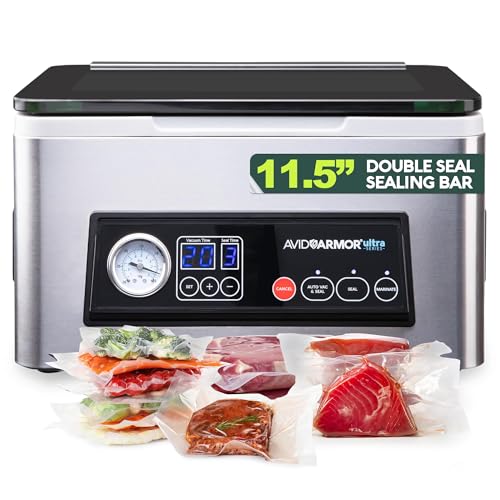 AVID ARMOR Avid Armor USV20 Chamber Vacuum Sealer Machine – High-Volume 11.5”…
View on Amazon ↗
 MESLIESE Mesliese 100kPa Chamber Vacuum Sealer, 6.3QT for Liquid Foods &…
View on Amazon ↗
 VESTA PRECISION Vesta Precision 12" Vacuum Sealer for Food & Liquids, 1x50'…
View on Amazon ↗
Listing names and images come from Amazon and are rechecked against the live listings; last checked Nov 8, 2026. No prices shown; the current price is on the listing.
What this guide is. This guide covers the vacuum food sealer category, not individual models, and is written from general knowledge of how these machines work. It does not use product reviews or in person testing, so check the listing for exact suction pressure, seal bar width, and bag compatibility before you buy.