Pick a wrap style by what you cover most: flat wraps for sandwiches, stretchy silicone for bowls and produce, beeswax blends for cheese and bread. The main tradeoff is cling versus breathability. Frequent microwave users should skip waxed wraps entirely.
Match the Wrap Style to the Food
Flat wraps with a wax coating fold around sandwiches, cheese blocks, and cut fruit. The wax softens from hand heat, so the wrap holds its shape as it cools. This style works best for foods that sit flat in a lunch bag or fridge shelf.
Stretchy silicone wraps fit over bowls, jars, and oddly shaped produce like half an avocado. They seal tightly and often work in the microwave. Check the listing for stated heat limits before warming food under one.
Some wraps combine a cotton base with a thin silicone layer. These offer more structure than pure silicone and more stretch than waxed cotton. They suit family meal prep where one wrap must cover several different containers in a week.
How the Material Changes Daily Use
Beeswax blends feel tacky at first and grip smooth surfaces well. They leave a faint residue on hands but not on food. Over time the wax wears thin, especially along fold lines, and the wrap loses its cling.
Silicone wraps are smooth, wash easily, and do not shed. They can feel slippery when you try to fold them around a sandwich. Their seal depends on stretching the material over a lip, so they suit bowls better than flat parcels.
Plain cotton wraps with no coating breathe well but seal nothing. They work only as a cover for dry items or as a liner inside a lunch box. Buyers often mistake them for a full replacement wrap and then wonder why food dries out.
Care Determines How Long a Wrap Lasts
| Wrap style | Wash method | Drying need | Lifespan signal |
|---|---|---|---|
| Beeswax blend | Cool water, mild soap | Air dry flat | Loses cling, feels thin |
| Silicone | Dishwasher safe often | Towel dry or drip dry | Tears at stretched edges |
| Cotton only | Machine washable | Line dry | Stains and shrinks |
Waxed wraps cannot go in the dishwasher or hot water. Heat melts the coating and ruins the cling. Rinse them in cool water with a drop of mild soap, then lay them flat to dry before folding for storage.
Silicone wraps tolerate more heat and many are dishwasher safe. Check the listing because some have a cotton core that should stay out of high heat. A torn edge means the wrap will no longer seal around a bowl.
Replacing a wrap every few months is normal for daily use. Budget tier wraps often lose their coating faster than mid range ones. The real long term cost comes from buying cheap wraps repeatedly instead of one set that lasts.
The Microwave and Freezer Split
Silicone wraps handle microwave reheating and freezer storage without breaking down. They keep a tight seal on a bowl of leftovers going straight from fridge to microwave. Waxed wraps should never go near heat, so they stay out of that routine.
Freezing food under a waxed wrap works for short periods, but the wax can crack when flexed cold. Silicone stays flexible in the freezer and peels off frozen containers without tearing.
For office lunches that sit in a shared fridge, a silicone wrap over a glass container prevents spills and reheats in one step. For a sandwich eaten at room temperature, a waxed wrap adds no real benefit over a simple cloth.
Sizing and Shape Before You Buy
A wrap set with three sizes covers most situations: small for half an onion, medium for a bowl, large for a casserole dish. Single size packs force you to stretch a small wrap too far or waste a large one on a small jar.
Measure the opening of the bowls and containers you use most. A wrap needs to overlap the rim by at least an inch to hold a seal. Compare that measurement to the stated dimensions on the listing, not the photo.
Odd shapes like a cut melon or a wedge of cabbage need a wrap that can stretch. Silicone handles these better than flat waxed cotton. For flat items like a stack of crackers, either style works.
What the Listing Wording Hides
Words like 'eco friendly' and 'zero waste' describe the idea, not the performance. A wrap made from organic cotton with a thin wax coating may still lose its cling in a month. Check the coating thickness and the base fabric weight instead.
'Reusable' only means the wrap can be washed, not that it will last a year. Look for a stated number of uses or a care guide in the listing. If the seller cannot say how to refresh the coating, expect a short life.
Some listings show a wrap stretched over a bowl but do not state the bowl size. Ask the seller for the wrap's flat dimensions and the maximum rim diameter it covers. A wrap that is too small will not seal, no matter how sticky it feels.
When a Silicone Lid or a Jar Beats a Wrap
For small cabinets and pantry items, a set of airtight pantry containers keeps dry goods fresher than any wrap. A wrap works for a cut lemon for a day, but flour or cereal needs a hard seal.
For school lunches where a wrap might get lost or crumpled, a lunch box that fits the bag protects food better. Kids do not reseal wraps carefully, and a crushed wrap lets crumbs into the backpack.
For family meal prep, a glass meal prep container with a lid stacks and reheats more reliably than wraps. Use wraps for the odd leftover, not as the main storage system.
Skip the Wrap If You Do This
If you microwave most lunches at work, waxed wraps are a poor fit. You would need to transfer food to a plate, which defeats the convenience. Silicone wraps work, but a dedicated microwave safe lid does the same job without stretching.
If you rarely cover food in the fridge and mostly use zip top bags, a reusable wrap adds a washing step without a clear benefit. The habit change is the real product, and some people drop it after a week.
If you pack wet foods like soup or curry, no wrap keeps them contained. A sealed container for small cabinets or a thermos is the right tool. Wraps cover food, they do not hold liquids.
Reading the Listing Before You Add to Cart
Check the material breakdown: is it 100 percent cotton with a wax blend, or a cotton and silicone mix? The ratio changes how stiff the wrap feels and how many times it can be folded before cracking.
Look for a stated care temperature. 'Hand wash cool' means the coating is heat sensitive. 'Dishwasher safe' usually means silicone only. A wrap with no care instructions is a gamble.
Ask the seller two questions: what is the flat size of each wrap, and how do you refresh the coating when it wears thin. If the answer is vague or links to a general care page, move on.
Reusable Food Wrap Questions, Answered Straight
Is reusable food wrap safe for cheese?
Beeswax blends are the traditional choice for cheese because they let a little air through, which prevents the surface from getting slimy. Wash the wrap in cool water after each use and let it dry fully. Silicone wraps seal too tightly and can trap moisture, so cheese wrapped in silicone for more than a day may sweat.
How do you make a wax wrap cling again?
Warm the wrap between your hands for ten seconds, then press it over the bowl or food. The heat softens the wax so it molds to the shape. When the wrap stops clinging after many washes, you can refresh it by grating a small amount of food grade beeswax over the surface and warming it in a low oven on parchment paper.
Can reusable food wrap go in the microwave?
Silicone wraps can usually go in the microwave, but check the stated heat limit on the listing first. Waxed cotton wraps must never go in the microwave because the wax melts and can catch fire or ruin the wrap. If you reheat food often, choose silicone or use a glass lid.
Which is better, beeswax or silicone wrap?
Beeswax blends cling to bowls and breathe, so they suit cheese, bread, and dry snacks. Silicone stretches over odd shapes and seals tightly, which works for cut produce and leftovers. If you want one style only, pick based on whether you value breathability or an airtight seal more.
Does reusable food wrap actually save money?
Over a year, a set of wraps can replace several boxes of plastic wrap, but the savings depend on how often you use them and how long they last. Cheap wraps that lose their cling in a month cost more than mid range ones that last six months. Treat the wrap well and it pays for itself in a few months of daily lunches.
Which Reusable Food Wrap Fits Your Lunch Bag?
A person packing a sandwich and an apple for work each day gets the most from a medium beeswax blend wrap: it folds flat, clings to the sandwich, and breathes around the apple. If that same person reheats leftovers in the office microwave three times a week, switch to a set of silicone wraps in two sizes and leave the waxed cotton on the shelf. The wrap that matches your weekly routine beats the one with the best reviews.
Real reusable food wrap listings, so you can check the points in this guide against actual products. These are affiliate links: as an Amazon Associate we earn from qualifying purchases, at no extra cost to you.
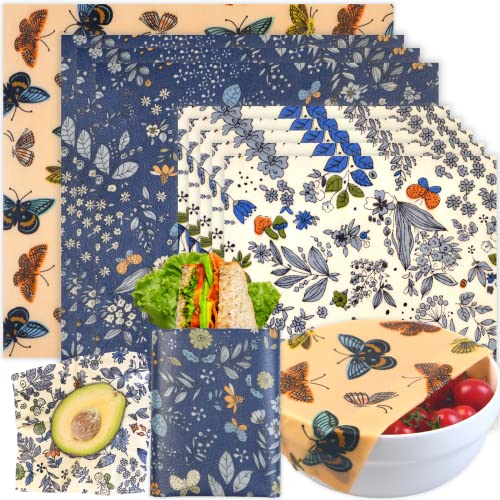 BYTTME Reusable Beeswax Wrap - 9 Pack Beeswax Wraps for Food,…
View on Amazon ↗
 GRAND FUSION Grand Fusion Microwave-Safe Silicone Food Wrap, Flexible and Reusable Wraps…
View on Amazon ↗
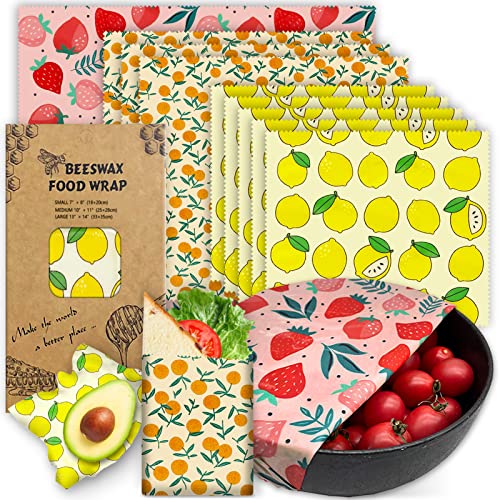 PICCIRCUIT Reusable Beeswax Wrap - 9 Pack Eco-Friendly Beeswax Wraps For…
View on Amazon ↗
Listing names and images come from Amazon and are rechecked against the live listings; last checked Nov 8, 2026. No prices shown; the current price is on the listing.
Scope and limits. This guide is written from general knowledge of how reusable food wraps are made and used, not from testing specific brands. It cannot tell you whether a particular listing's coating will last in your kitchen, so check the material details and care instructions on the product page before you buy.