Start with your door's existing deadbolt and who needs to get in. A retrofit that mounts over the interior thumbturn is the least invasive and suits renters, while a full deadbolt replacement offers the most polished look and often better weather sealing. The main tradeoff is installation effort versus long term reliability and design.
Match the Lock to Your Existing Deadbolt
A smart lock either replaces your entire deadbolt or attaches over the interior side of the existing one. Retrofits keep the exterior keyhole and cylinder untouched, which matters in rental properties where you cannot alter the outside of the door. They clamp onto the interior thumbturn and drive it with a motor.
Full deadbolt replacements remove the old hardware entirely. This gives you a single matching exterior and interior unit, typically with a built in keypad or fingerprint reader. The install takes longer and requires basic screwdriver work, but the result looks cleaner and removes any question about whether the old cylinder will eventually fail.
Check your door thickness and backset before ordering. Many locks fit standard 1 3/8 to 1 3/4 inch doors and a 2 3/8 or 2 3/4 inch backset, but not all adjust to every combination. Look for an adjustable latch or a model that lists your exact measurements.
Access Methods Change Who Actually Uses It
A keypad is the most reliable access method for a shared household, because it does not depend on a phone being charged or a fingerprint reader recognizing a wet or wrinkled finger. Elderly relatives often prefer a physical keypad over an app, especially if they do not carry a smartphone consistently.
App based locks let you create temporary codes and see entry logs from anywhere, which suits holiday homes and rental properties where you manage access remotely. The tradeoff is that the lock needs a bridge or built in Wi-Fi to work away from the house, and the app becomes a point of failure if the lock's cloud service goes down.
Fingerprint readers are quick for family homes where the same few people enter daily. They struggle in basements or outdoor gates where cold, dirt, or moisture interfere with the sensor. A lock with a physical key backup covers you when the electronics or batteries fail, and it also satisfies landlords who want a mechanical override.
Power Type Determines Upkeep and Failure Points
Most smart locks run on four to eight AA batteries, and battery life is often advertised in months rather than years. Lithium ion or lithium AA batteries perform better in cold basements and unheated holiday homes, while alkaline batteries can leak or drain faster in freezing temperatures.
Some locks use a rechargeable battery pack, which means you must remember to charge it before it dies. Others are hardwired into a door frame or an access control system, which removes battery swaps but requires professional wiring and is rare for residential use.
A low battery warning that arrives only in an app is useless if you are away from the property. Choose a lock that gives an audible or visible warning on the keypad itself, and keep a physical key hidden with a trusted neighbor for the day the batteries run out.
Weather Sealing and Door Alignment Matter More Than the App
A smart lock's motor has to turn a deadbolt that may already be stiff from a misaligned strike plate or a warped door. If you have to push or pull the door to lock it now, a motorized lock will struggle or drain its batteries faster. Fix the door alignment before or during installation.
Exterior keypads and fingerprint sensors need weather resistance. Look for an IP rating like IP65 or IP66 if the lock faces direct rain or sun. For a covered porch or an interior basement door, a lower rating is fine, but a fully outdoor gate lock needs the higher protection.
Cold weather reduces battery capacity and can make touchscreens less responsive. In a holiday home that sits unheated for weeks, choose a lock with physical buttons rather than a capacitive touchscreen, and use lithium batteries rated for low temperatures.
Which Features Are Marketing and Which Matter
Auto lock and auto unlock features are convenient but depend on geofencing or a timer that can misfire. An auto lock that engages while you are still unloading groceries is a nuisance, and an auto unlock that triggers when you walk past the door can be a security risk in a dense neighborhood.
Voice assistant integration is useful if you already control other home devices, but it does not change how the lock itself works. A lock that requires a separate hub to connect to Wi-Fi adds cost and another device to troubleshoot, while a lock with built in Wi-Fi is simpler but drains batteries faster.
Activity logs and temporary codes are genuinely useful for rental properties and family homes where you want to know who came and went. A tamper alarm is useful for basements or side doors that are not visible from the street. Ignore claims about 'bank grade encryption' beyond basic AES; every reputable lock encrypts its communication.
Installation Mistakes That Lead to Returns
The most common mistake is buying a lock that does not fit the existing deadbolt hole or backset. Some smart locks require a larger hole than the standard 2 1/8 inch bore, which means drilling into the door. If you are renting, confirm with the landlord before making any permanent change.
Another mistake is installing the lock on a door that does not latch smoothly. The motorized bolt will bind, the lock will beep or jam, and you will blame the product when the door was the problem. Adjust the strike plate first and test the manual deadbolt before mounting any smart lock.
Forgetting to rekey or replace the exterior cylinder on a retrofit leaves the old key as a security risk. If a previous tenant or contractor has a copy, the smart lock does not protect you. Ask the landlord to rekey the cylinder or choose a full deadbolt replacement with fresh keys.
Rental Properties, Elders, and Basements Change the Priority
For rental properties, choose a retrofit that leaves the exterior unchanged and can be removed without damage. Confirm with the landlord in writing, and get a lock with temporary codes so you can give a cleaner or guest access for a set window. A lock that logs entries also helps you track who came in when you were not there.
For elderly relatives, a keypad with large physical buttons beats a fingerprint reader or an app. Install it at a height that does not require bending or reaching, and make sure the keypad has an audible beep so they know the code registered. A key backup is essential in case they forget the code or the batteries die.
For basements, choose a lock with a physical key override and weather resistant keypad if the basement has an exterior entrance. Humidity and cold shorten battery life, so use lithium batteries and check the lock monthly. If the basement door is interior only, a simple keypad deadbolt is enough.
For holiday homes, a lock with built in Wi-Fi or a bridge lets you unlock the door for a repair person from anywhere. Set up a unique code for each guest and delete it after their stay. Keep a physical key in a lockbox outside as a backup, because a dead battery at a remote property is a bigger problem than at home.
How to Read a Listing Before You Buy
| Check | What to look for | Why it matters | Where to verify |
|---|---|---|---|
| Backset | 2 3/8 or 2 3/4 inch, adjustable | Mismatch means the latch will not line up | Listing dimensions and manual |
| Door thickness | 1 3/8 to 1 3/4 inch, sometimes 2 inch | Thicker doors need longer screws and tailpieces | Spec sheet or seller Q&A |
| Bore hole size | Standard 2 1/8 inch, some need larger | Larger hole may require drilling | Installation diagram |
| Power and battery type | AA, lithium, or rechargeable pack | Determines cold weather performance and upkeep | Battery compartment image |
| Connectivity | Bluetooth only, Wi-Fi built in, or hub required | Remote access and app features depend on this | Listing title and connectivity section |
Ask the seller two questions before buying: does this lock fit a standard 2 1/8 inch bore and a 2 3/8 inch backset without an adapter, and does the app allow temporary codes without a paid subscription. If the answer to either is unclear, find a different model.
Check the return policy for smart locks. Some retailers treat opened smart locks as non returnable because of security concerns, so you want to be certain about the fit before breaking the seal.
Who Should Skip a Smart Lock
If your door is heavily exposed to rain, snow, or direct sunlight and you cannot mount the lock under an awning, a smart lock's electronics will degrade faster than a standard deadbolt. A high quality mechanical deadbolt with a keypad lockbox may serve you better.
If you live in a household where everyone refuses to use a phone or remember a code, the smart features are wasted. A traditional keyed entry with a reinforcement lock for the door frame gives you better physical security without the learning curve.
If your internet connection is unreliable or you do not want another device on your home network, a smart lock with remote access will frustrate you. A simple keypad deadbolt without Wi-Fi still gives you code based entry and costs less, and it works when the internet is down.
Smart Lock Questions Worth Answering Before You Buy
Can a smart lock be installed on a rental apartment door?
Yes, if you choose a retrofit model that mounts over the interior thumbturn without removing the exterior hardware. Confirm with your landlord first, and keep the original thumbturn so you can restore the door when you move out. A retrofit does not change the exterior keyhole, so the landlord's key still works.
Which smart lock is best for an elderly parent?
Choose a keypad model with large physical buttons and an audible beep for each press. Avoid fingerprint readers, which can fail on older or drier skin, and avoid app only locks if your parent does not use a smartphone. A physical key backup is essential, and the keypad should be mounted at a height that does not require bending.
Do smart locks work without Wi-Fi?
Yes, most smart locks work locally through Bluetooth or a keypad even without Wi-Fi. Wi-Fi or a bridge is only required for remote access, such as unlocking the door from another city or viewing entry logs in real time. Without internet, you can still use codes, fingerprints, and physical keys at the door.
How long do smart lock batteries last?
Battery life typically ranges from 3 to 12 months depending on the lock type, the number of entries per day, and the temperature. Built in Wi-Fi drains batteries faster than Bluetooth only locks, and cold weather reduces capacity. Use lithium AA batteries for unheated spaces and check the lock monthly if it is in a basement or holiday home.
Is a smart lock more secure than a regular deadbolt?
Not necessarily. The physical deadbolt strength is similar, and a smart lock adds digital attack surfaces like app vulnerabilities or Bluetooth exploits. However, a smart lock eliminates the risk of lost or copied keys and can log every entry. The biggest security improvement comes from pairing it with a reinforced strike plate and a properly aligned door.
The Smart Lock That Fits Most Doors Without a Fight
For a family home with a standard deadbolt and a mix of ages, a full deadbolt replacement with a physical keypad and a key backup is the most reliable choice. It removes the old cylinder, gives everyone a code, and works when phones die. If you rent or cannot alter the exterior, choose a retrofit that clamps over the existing thumbturn instead, and accept the slightly bulkier interior look. A basement or holiday home with spotty Wi-Fi calls for a simple keypad deadbolt without remote access, so the lock keeps working when the internet does not.
Real smart door lock listings, so you can check the points in this guide against actual products. These are affiliate links: as an Amazon Associate we earn from qualifying purchases, at no extra cost to you.
 VEISE Veise VE017 Fingerprint Smart Door Lock with App Control, Matte…
View on Amazon ↗
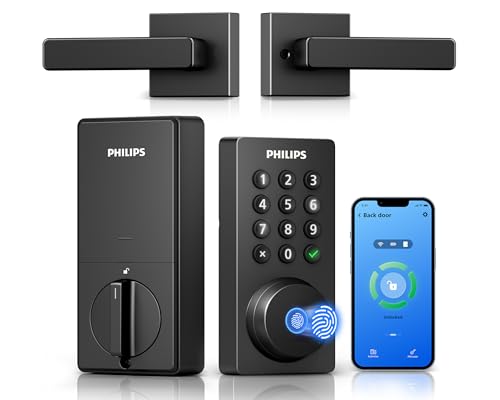 PHILIPS Philips WiFi Keypad Deadbolt with Handle, Built-in WiFi, APP Remote…
View on Amazon ↗
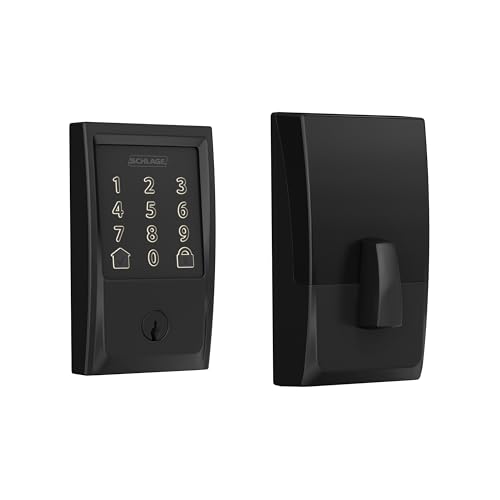 SCHLAGE Schlage Encode Smart WiFi Deadbolt Lock with Century Trim, Matte…
View on Amazon ↗
Listing names and images come from Amazon and are rechecked against the live listings; last checked Nov 8, 2026. No prices shown; the current price is on the listing.
Scope and limits. This guide covers smart door locks as a category based on general knowledge of how deadbolts, access methods, and power systems work. It does not draw on individual product documents, reviews, or in person testing. Verify every dimension, backset, and compatibility requirement on the product listing before you buy.