Night visibility depends on three factors: how much reflective area the collar has, how snugly it fits, and whether the clasp stays closed if the dog pulls. Wide straps with full reflective bands show up earlier than thin piping. Owners of dark coated dogs or dogs that pull hard should prioritize a broad reflective strip and a metal or locking buckle. The main tradeoff is between maximum visibility and everyday comfort, since wide reflective collars can feel stiff on small necks.
Night Walks Start With Reflective Area, Not Color
A collar can look bright orange in daylight and disappear at night. What matters after dark is retroreflective material, the silver gray strip or piping that bounces light back toward a car or headlamp. Check the listing for the width of that strip, not the color of the nylon.
A full reflective band that wraps most of the collar shows up from a longer distance than a thin stitched line. For a small dog close to the ground, a wider band helps because low angles catch less light. For a large dog, the collar sits higher and a medium band often works, but a dark coat still swallows a thin strip.
Compare the reflective area before the pattern. Some collars use reflective thread in a decorative zigzag that covers little surface. A continuous band or two parallel strips reflect more consistently when the collar twists.
Strap Width and Fit Decide Whether the Shine Stays Visible
A loose collar rotates, and when the reflective side turns toward the dog's fur, it stops working. Measure the neck snugly with two fingers of slack. For small dogs, a half inch strap is often enough, while large dogs can carry a one inch strap without discomfort.
Wide straps hold their position better because they have more surface against the fur. But a very wide collar on a short neck can bunch behind the ears and rub. Look for a strap width that matches the dog's neck length, not just the neck circumference.
Some collars have a reflective band only on one side. If the fit is loose, that side spends half the walk facing inward. A collar with reflective material on both faces, or a band that wraps fully around, avoids this problem.
The Clasp Is the Part That Fails on a Dark Road
A plastic side release buckle can pop open if a dog lunges at a squirrel. At night, a lost collar means a dog with no visibility at all. Check whether the clasp is metal, locking plastic, or standard plastic. A metal or locking buckle costs more but stays closed under sudden load.
For a dog that walks calmly on a loose leash, a standard plastic buckle is fine. For a puller or a dog that plays rough with other dogs, a metal buckle or a locking mechanism is worth the extra weight.
Also check how the clasp attaches to the strap. A riveted metal D ring holds better than a folded and stitched loop, especially on a wide collar that takes torque when the dog twists.
Fit for Small Dogs, Large Dogs, Hikes, and Road Trips
Small dogs need a narrow, lightweight strap so the collar does not weigh down the neck. Reflective piping or a slim full band works well. Avoid wide collars with heavy metal buckles, which can irritate a small throat.
Large dogs benefit from a wider strap and a stronger clasp. A one inch collar with a full reflective band stays visible from a distance and distributes pressure if the dog pulls. Hiking dogs that brush against brush need a smooth surface that does not snag.
Long road trips add a different demand: the collar stays on for hours in a crate or seat. A soft inner lining and a low profile buckle prevent rubbing. A collar with a separate ID tag ring keeps tags quiet and secure.
- Small dog: slim strap, light buckle, reflective piping or a thin band
- Large dog: wide strap, metal or locking buckle, full reflective band
- Hiking: snag free surface, secure clasp, reflective band visible from behind
- Road trips: soft lining, low profile buckle, separate tag ring
How to Read a Reflective Collar Listing Before Buying
Look for the width of the reflective strip in millimeters or inches. A listing that says only 'reflective' without a measurement tells you little. Ask the seller for the strip width and whether it wraps fully around the collar.
Check the strap material. Nylon webbing is common and durable. Neoprene or padded collars are softer but can hold water and odor. For a dog that swims, a quick dry nylon strap is easier to clean.
Also confirm the buckle type and the D ring material. A plastic D ring can crack in cold weather. A welded metal D ring holds a leash securely. If the listing does not show the buckle close up, ask for a photo.
Care and Long Term Costs of a Reflective Collar
Dirt and road grime reduce reflectivity. Wipe the reflective band with a damp cloth after muddy walks. Avoid harsh brushes on the reflective surface, which can scratch the microprisms and dull the shine.
Reflective collars do not need batteries or replacement parts, so long term costs stay low. The main expense is replacing the collar when the strap frays or the reflective film peels. A stitched reflective band lasts longer than a heat applied film, which can crack after repeated flexing.
If the collar has a light or battery, that changes the care routine. But a passive reflective collar is washable and maintenance free beyond occasional cleaning.
Who Should Skip a Reflective Collar
A reflective collar is passive. It only shines when a light source hits it. On an unlit trail with no cars or headlamps, it does nothing. For those walks, a small LED light that clips to the collar or a lighted collar works better.
Dogs with very thick fur around the neck can hide a collar entirely. A reflective harness or a leash with reflective stitching puts the shine on a visible surface. If the dog's coat covers the collar, a collar alone is not enough.
Dogs that spend most walks in a fenced yard during daylight do not need a dedicated reflective collar. A regular collar with a small reflective tag or a clip on light covers the rare evening outing.
Reflective Collar Designs Compared
Three main designs cover most reflective collars: a full reflective band, reflective piping, and reflective stitching. A fourth option, the LED light collar, is active rather than passive but often grouped with them. The table below compares how they behave on a night walk.
| Design | Visibility range | Comfort on small necks | Durability of shine |
|---|---|---|---|
| Full reflective band | Long, shows from far | Stiff, can rub | High, stitched or welded |
| Reflective piping | Medium, thin line | Soft, flexible | Medium, piping can peel |
| Reflective stitching | Short, subtle glow | Very soft | High, thread fades slowly |
| LED light collar | Active, visible without headlights | Bulky, battery weight | Depends on battery and housing |
A full reflective band is the safest choice for a dog walked near traffic at night. Reflective piping suits small dogs or dogs that wear the collar all day. Reflective stitching works as a backup for a dog that already wears a harness with reflective strips.
An LED collar adds visibility on paths with no light source, but it requires charging or batteries and adds weight. For most night walks near streets, a passive reflective collar is simpler and never runs out of power.
Night Walk Questions About Reflective Collars
Is a reflective dog collar enough for night walks?
It is enough on streets and paths where cars or headlamps provide light. The collar only reflects light that already exists. On a completely dark trail with no light source, a reflective collar stays invisible. For those walks, add a small clip on LED light or choose a lighted collar.
What makes a reflective dog collar actually visible?
Retroreflective material bounces light back toward the source, so a car's headlights make the collar glow. The width and coverage of that material decide visibility. A full band that wraps the collar shows up earlier than a thin stitched line. Check the listing for strip width in millimeters.
Which reflective collar is best for a small dog?
A slim strap around half an inch wide with reflective piping or a thin full band works best. Small necks get irritated by wide, stiff collars and heavy metal buckles. A soft nylon strap with a lightweight plastic buckle keeps the collar comfortable enough for all day wear.
Does a reflective collar work for a dog with long fur?
Only if the collar stays visible above the fur. Thick or long fur can cover the reflective band, hiding it from drivers. For those dogs, a reflective harness or a reflective leash puts the shine on a surface that stays exposed. A clip on light also works.
How do I compare reflective dog collars before buying?
Compare four things: the width of the reflective strip, the strap material and width, the buckle type, and whether the reflective band wraps fully around. Ask the seller for a close up photo of the buckle and a measurement of the reflective area. Skip listings that only say 'reflective' without details.
Which Reflective Collar Fits Your Dog and Your Walks
For a dog walked on streets after dark, pick a one inch nylon collar with a full reflective band that wraps around and a metal or locking buckle. It stays visible from a distance and survives a sudden pull. For a small dog that wears the collar all day, switch to a slim strap with reflective piping and a lightweight plastic buckle. That keeps comfort high while still catching headlights on evening walks.
Real reflective dog collar listings, so you can check the points in this guide against actual products. These are affiliate links: as an Amazon Associate we earn from qualifying purchases, at no extra cost to you.
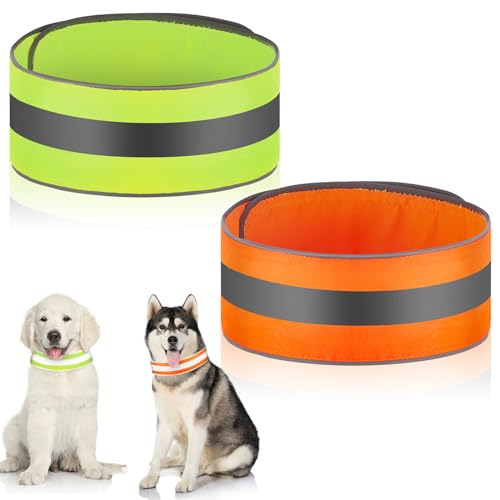 PATERR Paterr 2 Pcs Reflective Dog Collar Adjustable for S M…
View on Amazon ↗
 OUTDOOR DOG SUPPLY Reflective Heavy Duty D-Ring Dog Collar w Custom Name Tag,…
View on Amazon ↗
 REGAL DOG PRODUCTS Regal Dog Products Reflective Dog Collar, Durable Metal Buckle, Large…
View on Amazon ↗
Listing names and images come from Amazon and are rechecked against the live listings; last checked Nov 8, 2026. No prices shown; the current price is on the listing.
Scope and limits. This guide covers the reflective dog collar category and the design choices that affect visibility, fit, and durability. It does not evaluate individual collar models, and any dimension or material claim should be checked on the product listing before purchase.