Focus on two things: how the grinder handles a nervous dog and how its grit and speed match your dog's nail thickness. Quiet, low vibration grinders suit small or anxious pets. Higher speed models clear thick nails faster but need more control. The main tradeoff is speed versus calm. Choose the quietest design your dog's nails allow.
Noise and Vibration Decide the First Touch
A grinder's motor pitch and vibration reach a dog before the grit touches a nail. Low vibration rotary designs often use a slower motor or dampened housing, which makes the first contact less startling. Check the listing for a decibel rating or a stated low vibration mode. If no number is given, a lower wattage or lower RPM motor usually runs quieter.
For a dog that flinches at clippers, start with the lowest speed setting and let the grinder run near the paw for a few seconds before touching. The sound should stay steady, not whine or pulse. A pulsing sound often means the motor strains under load, which adds vibration and heat.
Grit Band and Drum Shape Set the Finish
Most grinders use a replaceable sandpaper band wrapped around a rotating drum. Coarse grit, often 60 or 80, removes nail fast but leaves a rough edge and builds heat. Fine grit, 120 or higher, smooths the edge with less friction but takes longer on thick nails.
Drum diameter matters too. A narrow drum fits into the curve of a small nail and reaches dewclaws. A wide drum covers more surface per pass, which speeds up large breeds but can overheat a small nail. Check whether the drum is exposed or sits behind a guard. A guard limits how much nail touches the grit, which helps prevent over filing.
Speed Settings Change the Risk of Heat
Friction from a fast drum heats the nail tip. A slow setting gives heat time to dissipate, but a nervous dog may pull away before the trim finishes. A high setting finishes faster, which can be better if you work in short passes and pause between touches.
Look for a grinder with at least two speeds. A single speed model forces you to manage heat by lifting the drum often. A variable dial gives more control, but the lowest setting on some models still spins too fast for a small breed. Compare the RPM range if the listing shows one; lower RPM means less heat per second.
Corded and Cordless Designs Split by Session Length
A cordless grinder lets you move around a wiggling dog without dragging a cable. Battery life usually covers several paws on one charge, but the motor can slow as the battery drains, which changes the pitch and vibration. A corded model keeps a steady speed but ties you to an outlet.
For a dog that needs frequent short sessions, cordless is easier to grab and use on a couch or floor. For thick nails on a large breed, a corded model avoids a mid trim slowdown. Check the charging time and whether the grinder runs while plugged in, since some cordless models do not.
Dust and Nail Debris Shape Cleanup
Grinding turns nail into fine dust that lands on the dog, your lap, and the floor. Some designs include a dust collection cap or a small vacuum port. Others leave the drum open, which spreads debris wider.
A clear collection cap helps you see the nail while you work, but it can trap heat near the drum. An open design stays cooler but needs a towel or mat underneath. Empty the collection chamber after each session, because packed dust reduces airflow and makes the motor run hotter.
Comparison of Grinder Design Types
Use this table to match a design to your dog's size and temperament. The columns separate the types by what you will feel and hear during a trim.
| Design type | Noise level | Heat buildup | Best for |
|---|---|---|---|
| Low vibration rotary | Low | Low | Nervous or small dogs |
| Standard rotary drum | Medium | Medium | Most adult dogs |
| High speed rotary | High | High | Thick nails, large breeds |
| Cordless rotary | Medium to high | Medium | Short, frequent sessions |
A standard rotary drum is the middle ground for most homes. Move to a low vibration model only if your dog startles easily, and to a high speed model only if nail thickness makes a standard drum take too long.
Nail Thickness and Coat Length Change the Fit
Long haired dogs need a guard or a careful hand, because fur can wrap around the spinning drum. Some grinders include a comb attachment that pushes hair away from the nail. If yours does not, trim the hair around the paw first or hold it back with your fingers.
Small breeds have thin nails that heat quickly, so a fine grit and low speed work better than a coarse band. Large breeds with thick nails tolerate a coarser grit and higher speed, but still need pauses to let the nail cool. During shedding season, loose hair sticks to the dust and the drum, so wipe the grinder between paws.
Long Term Costs Hide in Bands and Batteries
The grinder body is a one time cost, but the sandpaper bands wear out. A coarse band dulls after several trims, and a dull band rubs instead of cuts, which builds heat faster. Keep spare bands on hand and replace them when the surface feels smooth.
Cordless models add a battery replacement cost after a few years. Check whether the battery is user replaceable or sealed inside. A sealed battery means the whole grinder gets replaced when the charge drops too low. A corded model avoids that cost but limits where you can trim.
When a Grinder Is the Wrong Tool
A grinder works poorly on severely overgrown nails that curl toward the pad. The drum cannot reach the underside, and the heat from prolonged grinding hurts. In that case, a vet or groomer should shorten the nail first with clippers, then you can maintain the length with a grinder.
Dogs with very thick, hard nails may take so long on a grinder that the noise and heat stress them more than a single quick clip. If your dog tolerates clippers but not the grinder sound, a manual file or a clipper with a safety guard is a better fit. Home grooming also needs a non slip mat and good lighting, which matter as much as the tool itself.
Nail Grinder Questions Before the Cart
Is a pet nail grinder safe for a nervous dog?
Yes, if you introduce it slowly. Run the grinder near the paw without touching for a few seconds each day, then touch one nail for a second and stop. Use the lowest speed and a fine grit band. The heat and noise are the main risks, so pause often and feel the nail with your finger. A low vibration model reduces the chance of a startle.
Which pet nail grinder is best for small breeds?
Look for a narrow drum and a low speed setting. Small breed nails are thin and heat quickly, so a fine grit band, around 120 or higher, works better than a coarse one. A low vibration rotary design with a guard also helps you avoid taking off too much. Check the drum diameter if the listing shows it; a smaller drum fits the nail curve better.
What is the difference between a nail grinder and a nail clipper?
A clipper cuts the nail in one squeeze, which can crush or split a brittle nail. A grinder files the nail down gradually, leaving a smoother edge and less risk of hitting the quick. The tradeoff is time and noise. Grinders take longer per nail and some dogs dislike the motor sound. Clippers are faster but need more precision.
How do I choose a pet nail grinder for a long haired dog?
Pick a grinder with a guard or a comb attachment that keeps fur away from the spinning drum. Before you start, trim or hold back the hair around each nail. Long hair also traps nail dust, so wipe the grinder and the paw between nails. A cordless model helps because you can move around the dog without a cable catching in the coat.
Can I use a pet nail grinder during shedding season?
Yes, but loose hair will stick to the drum and the dust. Clean the grinder after each paw with a dry cloth or a small brush. If your model has a dust collection cap, empty it more often. The hair itself does not damage the grinder, but a wrapped drum can pull on the dog's fur and cause a sudden jerk.
The Grinder Pick for a Calmer Home Trim
A quiet, low vibration rotary grinder with a fine grit band and at least two speeds is the practical pick for a nervous or small dog in a home setting. It trades some speed for a calm first touch and less heat. For a large breed with thick, hard nails, choose a corded high speed rotary instead and work in short passes with frequent cool down pauses.
Real pet nail grinder listings, so you can check the points in this guide against actual products. These are affiliate links: as an Amazon Associate we earn from qualifying purchases, at no extra cost to you.
 Whisper Quiet Dog Nail Grinder Safe & Stress-Free for Sensitive…
View on Amazon ↗
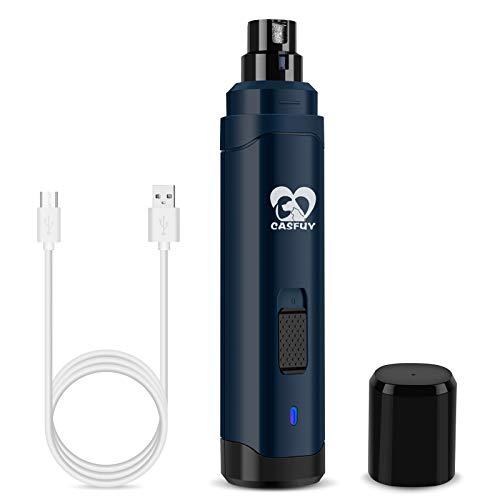 CASFUY Casfuy Dog Nail Grinder Upgraded - Professional 2-Speed Whisper-Quiet Electric…
View on Amazon ↗
 TIKOCAT TIKOCAT Whisper-Quiet Dog Nail Grinder 50%More Power for Sensitive Dogs,Cat…
View on Amazon ↗
Listing names and images come from Amazon and are rechecked against the live listings; last checked Nov 8, 2026. No prices shown; the current price is on the listing.
What this guide is. This guide covers the pet nail grinder category as a whole, not any individual model. It is written from general knowledge of how grinders work, without reading product documents, reviews, or test results. Check the listing for the exact RPM, drum size, and included grit bands before you buy.