Two factors decide most pipe wrench choices: the pipe sizes you turn and the swing room around them. Match jaw capacity to your largest fitting, not the average one. A longer handle adds leverage but needs clearance. Home and rental repairs usually call for a 10 to 14 inch aluminum wrench; heavier steel suits frequent plumbing work. The main tradeoff is weight versus durability.
Start With the Pipe Sizes You Actually Turn
Pipe wrenches grip round fittings with a toothed, adjustable jaw. The tool works by letting the jaw rock slightly, so the teeth bite harder as you push. That means the wrench only turns in one direction; you flip it over to reverse.
The first number to check is jaw capacity. A 10 inch wrench often opens to about 1 1/2 inches, and a 14 inch opens to about 2 inches. Compare that to the outside diameter of the largest pipe, nut, or trap fitting you plan to turn.
For sink traps and supply lines in a first apartment, a 10 inch model covers most jobs. Home mechanics working on larger galvanized pipe or water heaters may need 14 inches or more. Plumbers who work on 2 inch or larger pipe often carry several sizes.
Handle Length Sets Leverage and Swing Room
A longer handle multiplies the force you put in. That matters most for corroded or overtightened fittings. The tradeoff is clearance: you need room to swing the handle in an arc.
Under a sink, a 14 inch handle can hit the cabinet wall before you finish a stroke. A 10 inch handle fits tighter spaces but gives less break free torque. If you mainly loosen small trap nuts and supply lines, shorter is often easier to use.
For a stuck pipe in an open basement, the longer handle wins. Check the space around your most likely jobs before choosing. A wrench that does not fit the swing room is just a heavy paperweight.
Aluminum or Steel: Weight Against Wear
Most pipe wrenches are either forged steel or cast aluminum. Steel is heavier and tougher. It resists bending and keeps its jaw teeth sharp longer under daily use.
Aluminum cuts the tool's weight by a third or more. That is a real advantage when you hold the wrench overhead or carry it in a tool bag. The jaws are usually replaceable, but the aluminum body can still dent or deform under extreme force.
For occasional home and rental repairs, aluminum is often the better fit. Plumbers and home mechanics who use the tool every week may prefer steel for long term durability. Check the listing for whether replacement jaw inserts are available.
Straight, Offset, and Compound Leverage Designs
Three design types cover most pipe wrenches. A straight wrench has the jaw in line with the handle. It is the standard shape and works in most open spaces.
An offset wrench angles the jaw to the side. That can help you reach a pipe that is close to a wall or another pipe. It does not add leverage, only clearance.
A compound leverage wrench uses a pivot to multiply the force from the handle. It can break free fittings that a standard wrench cannot, but it is heavier and has more moving parts. These are usually reserved for large pipe or badly seized joints.
For most buyers, a standard straight aluminum wrench is the simplest choice. Choose offset only if you know a specific tight spot blocks a straight handle. Choose compound leverage only if you regularly fight corroded pipe.
| Design type | Best use | Weight feel | Swing room needed |
|---|---|---|---|
| Straight aluminum | Sink traps, supply lines | Light | Moderate |
| Straight steel | Frequent plumbing work | Heavy | Moderate |
| Offset aluminum | Pipes near walls | Light | Less |
| Compound leverage | Seized, large fittings | Heavy | More |
What the Listing Should Tell You
A good listing states jaw capacity, handle length, and material. If any of those is missing, ask the seller before buying. Also check whether the jaw is replaceable and whether replacement inserts are sold separately.
Look for a stated maximum pipe size, not just the wrench length. Two 14 inch wrenches can have different jaw openings. The handle length is useful, but the jaw capacity is what determines whether the tool fits your pipe.
If you plan to use the wrench on chrome or finished fittings, a pipe wrench is the wrong tool. The teeth will mar the surface. Use an adjustable wrench or a strap wrench for finished plumbing.
Mistakes That Lead to a Wrench You Never Use
A common mistake is buying the largest wrench in the store for a sense of security. That tool is heavy, hard to fit under a sink, and unnecessary for 1/2 inch supply lines. It ends up in a drawer.
Another mistake is using a pipe wrench on a hex nut. The teeth bite into the corners and round them off. Pipe wrenches are for round pipe and fittings, not for nuts and bolts.
Some buyers ignore the swing room. They measure the pipe but not the cabinet. A wrench that cannot complete a quarter turn in the available space is nearly useless. Check the space around the fitting before you buy.
Care and Long Term Costs
Pipe wrenches need little care. Wipe off water and pipe dope after use, and oil the threads and pivot occasionally. A light coat of oil prevents rust on steel models.
The main long term cost is replacement jaw inserts. On many wrenches, the teeth wear down after years of hard use. Check that the brand sells replacement jaws for the model you choose. If not, the whole tool becomes disposable.
Avoid using a pipe wrench as a hammer or a pry bar. That can bend the handle or crack the jaw. With basic care, a good steel wrench can last decades; an aluminum one can last many years of occasional home use.
When a Pipe Wrench Is the Wrong Tool
A pipe wrench is not for every round thing. On soft copper or finished chrome, the teeth will score the surface. Use a smooth jawed adjustable wrench or a strap wrench instead.
If you only assemble furniture or tighten hex bolts, a pipe wrench has no job. An adjustable wrench or a socket set covers those tasks. A pipe wrench earns its place only when you turn round pipe or fittings.
For drain clogs, a pipe wrench will not clear the line. The relevant tool there is a drain auger. For checking pipe runs are level, see magnetic levels for pipe work.
If you work on gas lines or very large pipe, a pipe wrench may still be part of the kit, but the fitting type and torque needs differ. Match the tool to the material and the fitting, not just the word 'pipe'.
Pipe Wrench Questions Worth Asking Before You Buy
What size pipe wrench do I need for a sink?
A 10 inch wrench usually opens to about 1 1/2 inches, which covers most sink trap nuts and supply line fittings. If you work under a bathroom vanity, a 10 inch handle also fits the swing room better than a 14 inch. Check the outside diameter of the largest fitting you plan to turn.
Is an aluminum pipe wrench strong enough?
For occasional home and rental repairs, yes. Aluminum cuts the weight by a third or more and handles normal sink and supply line work. It can dent or deform under extreme force, so plumbers who use the tool daily often choose steel. Check that replacement jaw inserts are available.
Can I use a pipe wrench on a hex nut?
No. The toothed jaw will round off the corners of a hex nut. Pipe wrenches are designed for round pipe and fittings. For nuts and bolts, use an adjustable wrench or a socket set.
How do I compare two pipe wrench listings?
Compare three numbers: jaw capacity, handle length, and material. Jaw capacity tells you the largest pipe it fits. Handle length sets leverage and swing clearance. Material sets weight and durability. If any number is missing, ask the seller.
Which pipe wrench is best for a first apartment tool kit?
A 10 inch straight aluminum pipe wrench covers most sink traps and supply lines, weighs little, and fits under a bathroom vanity. It will not handle large galvanized pipe, but apartment repairs rarely need that. Pair it with an adjustable wrench for hex nuts.
The Pipe Wrench Pick for Your Repair Kit
Someone setting up a first apartment or doing occasional sink repairs gets the most use from a 10 inch straight aluminum pipe wrench. It is light, fits under a vanity, and covers trap nuts and supply lines. If you turn larger galvanized pipe or fight corroded fittings in an open basement, step up to a 14 inch steel model for more leverage and a tougher jaw.
Real pipe wrench listings, so you can check the points in this guide against actual products. These are affiliate links: as an Amazon Associate we earn from qualifying purchases, at no extra cost to you.
 RIDGID Ridgid 31090 10" Aluminum Straight Pipe Wrench - Model 810
View on Amazon ↗
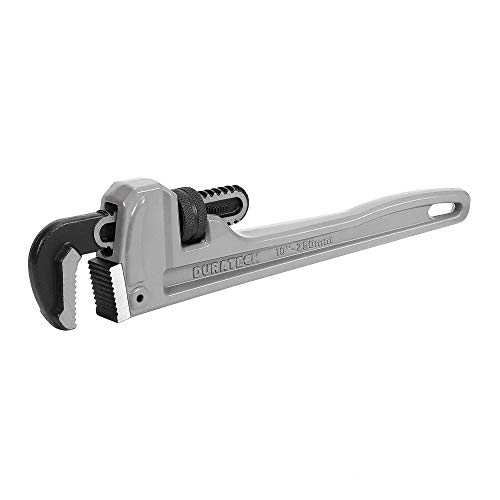 DURATECH DURATECH 10-inch Aluminum Straight Pipe Wrench, Adjustable Plumbing Wrench |…
View on Amazon ↗
 HORUSDY HORUSDY 10-Inch Aluminum Pipe Wrench, Heavy Duty Adjustable Plumbing Wrench…
View on Amazon ↗
Listing names and images come from Amazon and are rechecked against the live listings; last checked Nov 8, 2026. No prices shown; the current price is on the listing.
About this guide. This guide covers the pipe wrench category and the tradeoffs between its main design types. It is written from general knowledge of how these tools work, not from any individual product documents, reviews, or tests, so verify any dimension on the listing before you buy.