Two things decide whether a first reader book works: how much text sits on each page and how strongly the story pulls the child forward. A child who still sounds out most words needs short lines, wide spacing, and a plot that moves fast. A child who reads smoothly can handle longer paragraphs and quieter scenes. The main tradeoff is vocabulary control against story interest, and the wrong pick usually fails on page density.
Match the Page to the Child's Stamina
Open the book and look at a middle page, not the first one. Count the words per page and check where the lines break. A child who still points at words needs roughly 10 to 20 words per page, set in large type with clear space between lines. A child who reads short phrases without stopping can handle 30 to 50 words, and a confident reader can manage a full paragraph.
Watch how the book handles dialogue. Speech bubbles or one line per speaker help a new reader track who is talking. Long blocks of narration mixed with dialogue force the child to switch reading modes, which adds effort. If every page looks the same, the book may feel like a wall of print even when the word count is low.
Also check the page turns. A good early reader ends most pages or spreads with a small hook, a question, an action, or a surprise. That hook carries the child to the next page. If a page ends on a flat sentence, the child has a natural stopping point, and a tired reader will take it.
Two Vocabulary Choices That Change the Book
Early readers split into two approaches to words. Phonics based books use a controlled set of letter patterns, so the child can sound out nearly every word. Sight word books build on a list of common words the child is expected to recognize instantly. Most series blend both, but the balance changes how the child reads.
A phonics heavy book feels mechanical if the story only exists to repeat a vowel sound. A sight word heavy book frustrates a child who still needs to decode unfamiliar words. Check the back cover or the publisher's description for the word list or the phonics focus. If the listing does not name a word list, open a sample page and underline every word that breaks a simple sound pattern.
The right level is not about age. A seven year old who just started reading may need the same word control as a five year old who reads fluently. Judge the child by what they can read aloud today, not by what the grade label says.
Story Pull Is What Keeps the Pages Turning
A book can have perfect word control and still fail because nothing happens. New readers need a reason to keep going, and that reason usually comes from a clear problem, a funny situation, or a character they want to follow. Look for a story question that appears in the first few pages and gets answered by the end.
Humor does heavy lifting in this category. A joke the child gets, a silly misunderstanding, or a character who makes a mess gives the child a payoff for decoding each sentence. Books without humor need a stronger plot, like a lost object, a race, or a secret. If the story is just a series of pleasant events, the child has no reason to read the next page.
Series matter here. When a child finds a character they like, the next book in the series removes the hardest part of starting a new book: deciding to care. A child who finishes one book and asks for the next one has found the right level and the right story pull at the same time.
The Main Design Types and Where Each One Fits
Early reader books come in a few broad shapes, and each one solves a different problem. The table below groups them by what they ask of the child and what they give back.
| Design type | Text load | Story depth | Best for a child who |
|---|---|---|---|
| Phonics readers | Very light | Thin | Still sounds out most words |
| Leveled readers | Light to medium | Moderate | Reads short sentences but tires quickly |
| Early chapter books | Medium to heavy | Stronger | Reads paragraphs but still needs pictures |
| Picture book read alouds | Heavy | Strongest | Listens well but does not read alone yet |
Phonics readers and leveled readers overlap, but the difference shows in the story. A phonics reader repeats a sound pattern even when the plot suffers. A leveled reader controls sentence length and word frequency while trying to keep a real story. Choose the phonics reader when the child needs decoding practice, and the leveled reader when the child needs reading stamina.
Early chapter books are the bridge, not the goal. They keep some illustrations and short chapters, but they ask the child to hold a plot across multiple sittings. If the child still loses the thread between reading sessions, stay with shorter books a little longer.
What to Check in the Listing Before You Buy
A listing page can hide the two things that matter most: how the text actually sits on the page and how hard the words are. The cover and the suggested age range will not tell you either one. Use the sample pages if the listing shows them, and look for these checks.
First, find the word count or the page count and divide. A 32 page book with 300 total words averages under 10 words per page, which suits a very new reader. A 64 page book with 1,200 words averages closer to 20, which is a different challenge. The average matters less than the densest page, so sample a middle spread if you can.
Second, look for a stated reading level, but treat it as a clue, not a rule. Levels like guided reading letters or Lexile ranges are useful only if you know the child's current level from school. If you do not, the level label tells you little. Ask the seller or the publisher's site what word list or phonics pattern the book uses.
Third, check the illustration style. Full color pictures on every spread support a child who still uses images to confirm meaning. Black and white spot illustrations in an early chapter book signal that the child is expected to read more independently. Neither is better; they fit different stages.
What to ask the seller: Does the book use a controlled vocabulary list? How many words are on the densest page? Are the sentences mostly short, or do they include clauses and dialogue tags? A seller who can answer those questions knows the product. One who only repeats the age range does not.
Reread Value Is the Hidden Long Term Cost
A child reads an early reader book more than once, often in the same week. A book that rewards rereading saves you from buying twice as many titles. Look for a surprise the child only catches the second time, a repeated phrase they enjoy saying, or a joke that lands differently once they know the ending.
This is where series and character driven books win. A child who loves the character will reread the first book while waiting for the next one. A standalone book with a single joke may be finished after one pass. If the book costs the same either way, the rereadable one is the better buy.
Also consider who else will read it. If a younger sibling is two years behind, a sturdy paperback with a simple story can serve twice. A book that falls apart after one child's enthusiastic handling is a poor long term choice, so check the binding and paper weight if you plan to keep it.
When a Different Kind of Book Fits Better
Not every child who is learning to read needs an early reader book. If the child still guesses from pictures and cannot sound out a simple three letter word, a phonics workbook or a set of decodable cards may build the skill faster than a storybook. The storybook assumes the child can decode at least some words.
If the child reads fluently but still wants pictures, a graphic novel for young readers may hold their interest better than a text heavy chapter book. If the child listens well but refuses to read aloud, try a read along audio format where the book and the voice work together, then move to the early reader once the child wants to try alone.
You can pair a bedtime picture book with a reluctant reader as a bridge. The picture book builds story language and the habit of finishing a book, while the early reader book stays on the table for short practice sessions. Neither replaces the other.
Features That Sound Helpful but Rarely Decide the Book
Some listing features are marketing noise for this category. A 'fun activities' section at the back does not help a child who cannot finish the main story. Stickers or a poster add cost but not reading progress. A 'parent guide' inside the cover is useful only if you read it and apply it, which most tired parents will not do.
The features that actually matter are invisible: sentence length, word repetition, page breaks, and how often the same character appears. Those are the things to compare across books, not the number of pages or the brightness of the cover.
If you want a quick reference for the language side, a visual grammar guide for adults can help you spot sentence complexity when you preview a book. It will not tell you if your child likes the story, but it sharpens your eye for what makes a sentence hard.
Early Reader Questions Parents Ask Before Buying
What reading level should a five year old be on?
There is no single level for a five year old. Some five year olds read short books fluently, while others are still learning letter sounds. Judge the child by what they can read aloud today. Pick a book where they miss no more than a few words per page and can explain what happened at the end of a page.
How many words per page should an early reader have?
For a child who still sounds out most words, aim for 10 to 20 words per page. A child who reads short phrases without stopping can handle 30 to 50 words. A confident reader can manage a full paragraph. Check a middle page, because the first page is often easier than the rest.
Are phonics readers better than sight word readers?
Neither is better for every child. Phonics readers help a child who needs to decode unfamiliar words. Sight word readers build fluency for a child who already knows common words. Most children benefit from a mix, so look at what the child struggles with most and choose the approach that targets that gap.
Can a child skip early readers and go straight to chapter books?
Some children can, but most benefit from the shorter text and picture support in early readers first. A child who reads paragraphs smoothly and remembers the plot between sittings may be ready for early chapter books. If they lose the thread or avoid reading, stay with shorter books a little longer.
Does my child need to finish every early reader book?
No. If a book is clearly too hard or the child has no interest after a few pages, set it aside. Forcing a bad fit creates negative feelings about reading. The goal is to find books the child wants to finish, not to check off a list.
Which Early Reader Book to Start With
A child who still sounds out most words and reads for five minutes at a time does best with a phonics based reader that keeps pages under 20 words and ends each page with a small hook. Choose one with a silly animal or a familiar family situation, because humor lowers the effort. For a child who reads short sentences smoothly but still wants pictures, pick a leveled reader with a strong series character instead. That child needs story pull more than word control, and a series gives them a reason to open the next book.
Real early reader listings, so you can check the points in this guide against actual products. These are affiliate links: as an Amazon Associate we earn from qualifying purchases, at no extra cost to you.
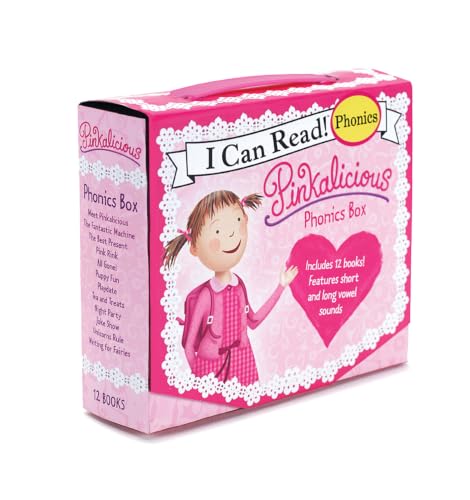
Listing names and images come from Amazon and are rechecked against the live listings; last checked Nov 8, 2026. No prices shown; the current price is on the listing.
About this guide. This guide is written from general knowledge of how early reader books are structured and what makes them work for different reading stages. It does not evaluate any individual title, and no product documents, owner reviews, or in person tests were used. Page counts, word counts, and reading levels vary by title, so check the sample pages or ask the seller before you buy.