The two factors that decide a picture book are page format and word count, followed by art style. Board books tolerate chewing and rough page turns, while paper picture books suit children who can handle pages gently. Choose under 300 words for a child under four and up to 800 words for a school age reader. The main tradeoff is durability versus richer storytelling.
Page Format Decides How Long the Book Survives
For bedtime reading, the first thing to check is what the pages are made of. A board book has thick cardboard pages that a toddler can chew, drop, or turn with a fist without tearing. A paper picture book has thin pages that rip when a child grabs a handful or turns too fast. A softcover edition uses the same thin pages as a hardcover but with a flexible cover, so it costs less and shows wear sooner.
Consider the child's age and habits. A child under three who still mouths objects needs a board book. A four or five year old who can turn pages one at a time may be ready for a paper picture book, as long as an adult handles the book at bedtime. If an older sibling reads to a younger one, a board book avoids tears during unsupervised reading.
A padded cover is a middle option. The cover is soft and slightly squishy, and the inside pages are often thicker than a standard paper picture book but not as thick as a board book. This format suits a child who no longer chews books but still drops them off the bed.
Word Count Shapes the Bedtime Rhythm
A picture book's word count sets the pace for reading aloud. A book under 300 words finishes in about five minutes, which suits a toddler who is tired and fidgety. A book between 300 and 500 words adds a short plot, enough for a three or four year old who wants a story but not a long one. A book over 500 words, up to about 800 words, works for a kindergartner or early elementary child who can follow a longer sequence before sleep.
Check the word count on the listing or by looking at a page spread. If each page has one or two short sentences, the book reads quickly. If each page has a paragraph or more, the book takes longer and demands more attention. A bedtime book should not be so long that the child loses interest or so short that the routine feels rushed.
For a reluctant reader, a lower word count with repetitive phrases helps. A child who avoids books may tolerate a story that repeats a line or a pattern, because they can predict what comes next and join in. A homeschool family can use a longer picture book as a read aloud, but for bedtime, a shorter one often works better.
Art Style Sets the Mood in a Dim Room
Bedtime reading happens in low light, so the art style matters more than it does for daytime books. Bold, high contrast illustrations with simple shapes are easier to see under a nightlight or a dim lamp. Soft watercolor or pastel art can be soothing, but if the colors are too muted, a child may struggle to see the pictures and lose interest.
Detailed illustrations reward a child who wants to linger on each page and find small things, like a hidden animal or a repeated object. That works for a child who stays engaged, but it can delay sleep if the child wants to examine every page. A simpler art style moves the story along faster.
Some books use photographs or mixed media, which can feel more real and help a child connect the story to their own room or routine. Check the listing's sample pages to see how the art looks on a small screen, since bright colors may appear darker in a dim bedroom.
Story Type for Bedtime Versus Daytime
A bedtime picture book should wind down, not wind up. Look for a story with a calm arc: a character getting ready for bed, saying goodnight, or settling down. Avoid books with loud sounds, chase scenes, or a big exciting climax, because those raise energy right when you want to lower it.
Some picture books are labeled as bedtime books, but the label alone is not enough. Check the story's ending. Does it end with the character asleep or in bed? A book that ends with a party or a loud celebration may be a fine daytime book but a poor choice for the last read of the night.
A 'money bedtime picture book' in search terms usually means a book about coins or saving that a parent reads at bedtime. That topic can work if the story is quiet and simple, but a book with counting or money problems may be too stimulating. Match the topic to the child's interest, but keep the tone calm.
What to Check on the Listing Before You Buy
The listing page tells you more than the cover does. Look for the page count, the dimensions, and the recommended age range. A book listed for ages 0 to 3 is almost always a board book, while a book for ages 4 to 8 is usually a paper picture book. If the format is not stated, ask the seller or check the product photos for a view of the pages.
Look for a text sample, often shown as an inside page. Count the words on that page and multiply by the number of pages to estimate the total. If the sample page has a full paragraph and the book has 40 pages, the total may be over 800 words, which is long for a bedtime read with a young child.
Check the binding. A sewn binding opens flat and lasts longer than a glued binding, which can crack at the spine after repeated bedtime reading. A board book should have rounded corners, which are safer for a child who drops the book on their face while falling asleep.
Ask the seller about the paper weight if the listing does not say. Thicker paper, often described as 'heavy stock' or 'premium paper,' resists tearing better than thin paper. For a bedtime book that a child may hold, thicker paper is worth the extra cost.
| Format | Durability | Story length | Best bedtime age |
|---|---|---|---|
| Board book | Very high | Short, under 300 words | Under 3 |
| Padded cover | High | Short to medium | 2 to 4 |
| Paper hardcover | Medium | Medium to long | 4 to 8 |
| Softcover | Low | Medium to long | 5 and up |
A board book and a paper hardcover of the same story can have different text. Some publishers shorten the text for a board book edition, so the two versions are not identical. If you want the full story, choose the paper edition, but expect to handle it yourself at bedtime.
Bedtime Mistakes That Lead to a Discarded Book
A common mistake is buying a paper picture book for a child who still tears pages. The book lasts a week, and the child learns that books are fragile. Start with a board book and move to paper only when the child can turn pages gently.
Another mistake is choosing a book by its daytime appeal. A book with a funny, loud story may be a favorite during the day but a poor bedtime choice, because it leaves the child excited instead of sleepy. Keep a separate shelf for calm bedtime books.
A third mistake is ignoring the child's attention span. A long, beautifully illustrated book may sit unread because the child falls asleep or loses interest halfway. Match the word count to how long the child typically stays focused at night.
A fourth mistake is buying a book with small, dark illustrations for a dim bedroom. The child cannot see the pictures, so the book feels boring. Check the art under low light, not just in a bright store or on a bright screen.
Who Should Skip a Traditional Picture Book
A traditional picture book may not be the right choice for a child who is already reading chapter books independently. If a child reads early chapter books, a picture book can feel babyish, unless it is a special book with sophisticated art or a longer, more complex story.
A family that travels often may prefer a different format. A large hardcover picture book takes up space and adds weight to a bag. A small board book or a digital edition is easier to pack for a trip, and a bedtime routine on the road works better with a book that fits in a carry on.
A child with a very short attention span may do better with a wordless picture book or a book with one sentence per page. A traditional picture book with a full story may frustrate a child who cannot sit still for more than a minute.
For a child who wants to hear the same story every night, a picture book with a predictable pattern can work, but if the child wants variety, a collection of short stories or a series with many titles may serve better than a single picture book. See other children's book formats for more options.
Care and Replacement Costs Over Time
A picture book needs little care, but a few habits extend its life. Wipe a board book with a damp cloth after a sick child chews on it. Keep paper picture books away from water bottles and juice cups on the nightstand, because a spill warps the pages permanently.
A bedtime book read every night will show wear. The spine loosens, the corners fray, and a paper book may tear at a favorite page. A board book lasts through multiple children, while a paper picture book often lasts one or two years of heavy bedtime use.
The long term cost is not just the purchase price. A cheap softcover that tears in a month costs more per reading than a board book that lasts for years. If the book is a nightly favorite, buy the most durable format you can find, even if it costs more up front.
Some families buy two copies of a favorite bedtime book: one board book for the child to hold and one paper hardcover for the adult to read aloud. That way the child can turn pages freely without damaging the copy with the full text.
Bedtime Picture Book Questions, Answered
Is a board book or a paper picture book better for a 4 year old?
A 4 year old who can turn pages gently is ready for a paper picture book, especially if an adult handles the book at bedtime. If the child still chews or tears pages, stay with a board book or a padded cover. The longer story in a paper book suits a 4 year old's attention span, but durability still matters.
How many words should a bedtime picture book have?
For a child under 3, look for under 300 words. For ages 3 to 5, 300 to 500 words works well. For a kindergartner or older, up to 800 words is fine. More than 800 words usually means a longer read that may not fit a tired child's bedtime routine.
What makes a picture book good for a reluctant reader?
A reluctant reader often responds to short text, repetitive phrases, and bold art. A book that lets the child predict the next line or find a hidden object keeps them engaged without demanding too much. Choose a topic the child already likes, and keep the story under 500 words.
Can a picture book work for a homeschool family's bedtime routine?
Yes, but choose a book with a calm story for bedtime and save longer, more complex picture books for daytime lessons. A homeschool family may use a picture book for both, but the bedtime copy should be short and soothing. A board book also works if younger siblings join the reading.
Which picture book format lasts longest for nightly reading?
A board book lasts the longest because the thick pages resist tearing and chewing. A padded cover is next, then a paper hardcover. A softcover edition wears out fastest. For a book read every night, choose a board book or a paper hardcover with a sewn binding.
Which Bedtime Picture Book Fits Your Child
For a child under three who still chews and rough handles pages, pick a board book with under 300 words and bold, high contrast art. That format survives nightly use and keeps the story short enough for a tired toddler. For a kindergartner who can handle paper pages and wants a longer story, choose a paper hardcover with 500 to 800 words and calm, detailed illustrations. If you travel often or read on the go, a small board book beats a large hardcover.
Real picture book listings, so you can check the points in this guide against actual products. These are affiliate links: as an Amazon Associate we earn from qualifying purchases, at no extra cost to you.
 KIDSBOOKS Kiss Those Toes – Interactive Bedtime Picture Board Book for…
View on Amazon ↗
 RAINSTORM Good Night, Little One – Touching Bedtime Picture Board Book…
View on Amazon ↗
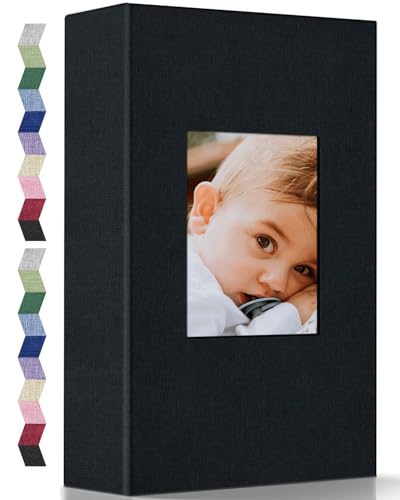 POPOTOP Popotop Photo Album 4x6-300 Photos Linen Cover Photo Books with…
View on Amazon ↗
Listing names and images come from Amazon and are rechecked against the live listings; last checked Nov 8, 2026. No prices shown; the current price is on the listing.
Scope and limits. Use this guide as a checklist to hold against any picture book listing, not as a verdict on a single model. It reflects general knowledge about children's book formats and reading habits, so confirm the page count, word count, and binding on the listing before you buy.