Two factors decide most activity book purchases: the child’s current skill level and where the book will be used. A sticker book suits travel and reluctant readers because stickers feel like play. A nature book suits a curious child who needs outdoor prompts. The main tradeoff is between quick wins and longer focus. Pages that are too hard get abandoned, so match the first pages to what the child can already do.
Match the First Pages to the Child’s Current Skill
The most common mistake is buying a book aimed at an age or grade rather than at what the child can already do. A six year old who still grips a crayon with a fist will not enjoy a book that expects neat letter tracing. Check the first three pages. If they require a skill the child has not practiced, the book will be abandoned before page ten.
Look for a gradual ramp. Early pages should feel easy, almost like a warm up. Later pages can introduce one new element at a time: a slightly smaller maze, a word search with one extra row, a coloring section with tighter lines. If the jump between pages is too large, frustration becomes the main experience.
For a reluctant reader, choose pages where reading is optional. Picture based mazes, dot to dot, hidden object scenes, and sticker placement do not depend on decoding text. A child who struggles with words can still complete a page and feel success. That success builds the confidence to try a page with a short instruction later.
Sticker Books Trade Reuse for a Feeling of Instant Success
A sticker book is the easiest format for a child who needs immediate feedback. Peel, place, done. There is no wrong answer in most sticker scenes, so a child cannot fail. That makes it a strong pick for travel, waiting rooms, and quiet time when a parent is busy.
The main limitation is reuse. A sticker can usually be placed only once. If the child changes their mind, the sticker may tear or lose its adhesive. Some books use repositionable stickers, which adds flexibility but often means weaker adhesion. Check the listing for the words “repositionable” or “reusable” and decide whether that matters for your child.
Paper quality matters more in sticker books than anywhere else. Thin pages curl when a sticker is pulled up, and a torn page ruins the scene. Look for a card stock or heavyweight paper description. If the listing does not mention paper weight, ask the seller before buying.
Sticker scenes can also teach. A nature sticker book may ask a child to place animals in a habitat or match leaves to trees. That turns a simple activity into a small science lesson without requiring reading.
Nature Books Work Only When the Setting Supports Them
A nature activity book is not a coloring book with trees. It is a set of prompts meant to be used outdoors or with natural objects nearby. Typical pages ask a child to find three different leaves, press a flower, record the weather, or draw a bird they saw. If you live in an apartment with no easy green space, many pages will go unused.
The best use case is a family that already spends time outside: a backyard, a park within walking distance, a camping trip, or a weekly nature walk. The book becomes a tool for noticing what is already there. A child who is naturally curious about bugs, rocks, and plants will return to it more often than one who prefers indoor play.
Consider the seasons. A book that asks for insects will stall in winter. A book that includes cloud observation, bark rubbings, and evergreen identification works across more of the year. If you buy in fall, look for pages that do not depend on summer flowers.
For money conscious buyers, a nature book is a better long term value than a single use sticker book. The pages can be revisited across seasons, and the child can add new observations over time. That said, it requires more adult involvement. A child who is not yet writing will need a parent to label drawings and answer questions.
Paper Weight and Binding Decide How Long a Book Survives
Activity books take abuse. Markers bleed, glue soaks, stickers pull, and pages get folded. Thin paper is the fastest way to turn a ten dollar book into a pile of torn sheets. Look for heavyweight paper, often described as 80 lb or 100 lb, or card stock. If the listing does not state a weight, ask.
Binding matters almost as much. A glued spine that does not open flat makes it hard to draw near the center. Spiral or lay flat binding lets a child work on a single page without fighting the book. For travel, a smaller trim size fits a backpack or airplane tray, but small pages can feel cramped for coloring.
One sided printing is a hidden feature. If every activity is printed on one side only, a child can use markers without ruining the page behind. If pages are printed on both sides, choose colored pencils or crayons instead of markers.
For a book that will be used with glue or watercolor, check whether the paper is described as mixed media. Standard printer weight paper will buckle and tear.
How to Read a Listing Without Seeing the Inside
You cannot flip through an online listing, but you can ask the right questions. First, check the page count and the number of unique activities. A book that advertises 100 pages may repeat the same maze at different sizes. Look for a table of contents or sample pages in the images.
Second, ask the seller about paper weight and whether pages are one sided. Those two answers predict durability more than any marketing claim. Third, check the age range but treat it as a loose guide. The real question is whether the first pages match the child’s current skill.
For sticker books, ask if stickers are repositionable and whether they are stored on separate sheets or printed throughout. For nature books, ask if the prompts are seasonal or general. For puzzle books, ask if solutions are included at the back, because a child who gets stuck will want a way to check.
Design Types and Where They Fit
| Design type | Cleanup effort | Reuse potential | Adult involvement | Best setting |
|---|---|---|---|---|
| Sticker book | Low, no mess | Single use | Low | Travel, waiting rooms |
| Coloring book | Low | Single use | Low | Quiet time at home |
| Puzzle collection | Low | Low, pencil marks | Medium | Long car rides, rainy days |
| Nature journal | Medium, outdoor dirt | High, revisit seasons | High | Backyard, park, camping |
| Craft activity book | High, glue and scissors | Low | High | Kitchen table, homeschool |
A coloring book is the baseline. It requires no reading and no adult help, but a child who wants variety will finish it quickly. A puzzle collection keeps a child busy longer but demands more focus, so it suits a child who already enjoys logic or pattern games.
A craft activity book is a different category. It produces objects rather than filled pages, so it needs scissors, glue, and adult supervision. It works well for homeschool families who want a project, but poorly for travel.
Who Should Skip an Activity Book Altogether
A child who only wants screen time or active play will not suddenly sit still because a book has stickers. In that case, a single toy or a set of building blocks may be a better purchase. An activity book rewards a child who already enjoys quiet, focused tasks.
If the goal is to teach reading, an activity book is a supplement, not a replacement. A child who cannot decode words will skip the written instructions and guess. Pair the book with a parent who can read prompts aloud, or choose a picture based format until reading catches up.
For a child who finishes every page in one sitting, a single book is a poor value. Look for a series or a book with reusable elements, like a wipe clean surface or repositionable stickers. Otherwise you will be buying another one next week.
Some activity books are marketed as educational but contain mostly busywork: color this, trace that, repeat. If the book does not introduce a new concept or skill, it is entertainment, not learning. That is fine if entertainment is the goal, but do not pay a premium for a workbook label.
Care and Long Term Costs Are Minimal but Predictable
Most activity books need no care beyond keeping them dry and flat. If a book has repositionable stickers, store it closed so stickers do not collect dust. If it includes a sticker sheet, keep the sheet in the book rather than loose in a bag.
The real long term cost is replacement. A child who loves a sticker book will finish it in a few days. A puzzle book may last weeks. A nature journal can last a full year. If you want the lowest cost per hour of use, choose a format with higher reuse potential.
Some books require consumables beyond the book itself: markers, colored pencils, glue sticks, scissors, or watercolor paint. If you do not already own those, add them to the budget. Washable markers are worth the small extra cost for a child who has not yet learned to keep caps on.
Homeschool and Reluctant Readers Need Different Pages
For a homeschool family, an activity book works best as a supplement to a lesson rather than a standalone. A nature journal pairs with a science unit. A puzzle collection can reinforce math facts. A sticker book can teach vocabulary or sequencing. The key is choosing a book that aligns with what you are already teaching.
For a reluctant reader, the priority is success without reading. Look for pages where the activity is self explanatory: a maze, a hidden picture, a sticker scene. Avoid word searches, crossword puzzles, and written prompts. A child who completes a page feels capable, and that feeling transfers to other books.
A kindergarten child sits between these needs. They may know letters but not read sentences. Look for books that mix picture based activities with one or two word labels. That builds letter recognition without demanding full decoding.
A child who travels often needs a book that fits a tray table and does not require a flat surface for every page. Sticker books and small puzzle books work better than large coloring pages or craft projects.
Questions About Activity Books
What is the difference between a sticker activity book and a regular activity book?
A sticker activity book uses peel and place stickers as the main task, so it requires almost no fine motor skill beyond peeling. A regular activity book includes mazes, coloring, tracing, or puzzles. Sticker books give faster wins and work for younger children or reluctant readers. Regular books offer more variety and take longer to finish.
Should I buy a nature activity book for a child who does not like going outside?
Probably not. A nature activity book depends on outdoor observation, leaf collection, weather recording, and similar prompts. If the child resists going outside, most pages will stay blank. A better choice is an indoor format like a sticker book, coloring book, or puzzle collection that matches their preferred setting.
Is sticker activity book paper thick enough for repositioning stickers?
Not always. Repositionable stickers need a smooth, heavyweight page or they will tear the surface when peeled. Check the listing for card stock or heavyweight paper. If the seller does not state paper weight, ask before buying. Thin paper is fine for one time stickers but risky for repositionable ones.
Which nature activity book works in winter?
Choose one that includes year round prompts like cloud observation, bark rubbings, evergreen identification, and animal tracks. Avoid books that focus on flowers, insects, or leaf color. A seasonal book will stall in cold months unless you live in a mild climate or are willing to adapt pages.
How to choose an activity book for a long car ride?
Pick a compact format that fits a lap or tray table and needs no flat surface. Sticker books, small mazes, dot to dot, and hidden picture pages work well. Avoid craft books with scissors and glue. Check that pages are one sided if the child will use markers, and bring a clipboard or hard surface for support.
Which Activity Book Fits Your Child
A child who needs a quiet, no fail activity for travel or waiting rooms will do best with a sticker book on heavyweight, one sided paper. That format delivers instant success and fits a small bag. For a child who already spends time outside and likes noticing bugs, leaves, and weather, a nature journal with year round prompts is the better pick. It costs more in adult time but lasts far longer and turns a walk into a lesson.
Real activity book listings, so you can check the points in this guide against actual products. These are affiliate links: as an Amazon Associate we earn from qualifying purchases, at no extra cost to you.
 CUPKIN Cupkin Animal Habitats Sticker Book | 12 Coloring & Activity,…
View on Amazon ↗
 WALENCED Walenced Reusable Sticker Book, Stickers for Kids, Travel Toys Gifts…
View on Amazon ↗
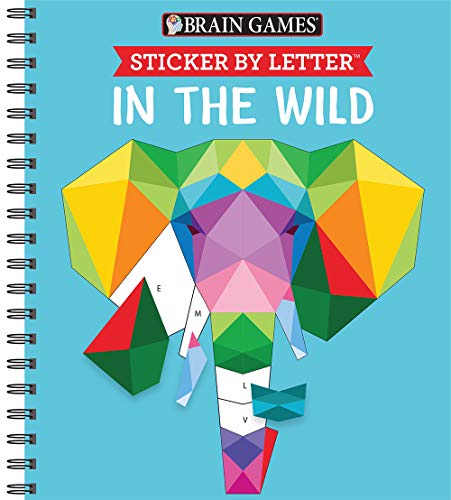 PUBLICATIONS INTERNATIONAL, LTD. Brain Games - Sticker by Letter: In the Wild (Sticker…
View on Amazon ↗
Listing names and images come from Amazon and are rechecked against the live listings; last checked Nov 8, 2026. No prices shown; the current price is on the listing.
About this guide. This guide draws on general knowledge of activity book formats, paper properties, and child development stages. It does not evaluate any specific listing, so check the page count, paper weight, and sample pages on the product page before buying.