A chapter book works when its reading level, visual support, and story pace match the child in front of you. Check the sentence length and page layout before the plot. A reader who still needs pictures on every spread should not get a wall of text, and a strong decoder should not get a book that feels babyish.
The Reading Level Is Not the Age on the Cover
Aged bands like 7 to 9 hide a wide spread. Two children of the same age can read two years apart. Judge the book by its sentences, not its suggested age.
Open the book to a middle page. Count the words in one sentence. If most sentences run past twelve words, the book will tax a reader who still sounds out longer words.
Look at paragraph length too. A page with one long paragraph feels heavier than a page with three short ones, even at the same word count.
Series are useful here. If a child has read one book in a series comfortably, the next book in that series is a safer bet than a new series at the same printed level.
Pictures Do More Than Decorate
Illustrations in a chapter book are a scaffold. They break up the page, give context clues, and signal a rest point. A child who is reading independently for the first time uses pictures to confirm a guess.
Check how often art appears. Every spread means the book still leans on pictures. Every few pages means the text carries most of the story. No art means the child must hold the whole scene in their head.
Black and white interiors are the norm for chapter books. Color is rare and usually signals a younger or more premium format. Neither is better; the question is how much support the reader needs.
Story Pace Decides Whether the Book Gets Finished
A chapter book succeeds when the child wants to read one more chapter. Short chapters create that pull. A chapter that ends on a small question or a joke invites the next sitting.
Look at the chapter titles. If they promise distinct events, the book has a plot that moves. If they are just numbers, the story may meander.
Series with recurring characters reduce the setup cost. The child already knows the world, so each new book starts faster. Standalones work better for a child who likes a clean ending.
A book with a strong episodic structure is forgiving. A child can skip a day and still reenter the story. A tightly serialized plot punishes gaps and may frustrate a reader who reads in short bursts.
How to Read a Listing Before You Buy
A listing tells you the format, page count, and sometimes a sample page. Use the sample. It shows the real sentence length, font size, and white space, which matter more than the description.
Check whether the listing names the reading level. Terms like early reader, first chapter book, or middle grade are loose but useful. Early chapter books run shorter, often under 100 pages. Middle grade runs longer and denser.
Ask the seller or library for the first chapter if no sample is shown. You are checking for the reading load, not the plot quality. A page with tiny type and no line breaks is a warning sign for a new reader.
Font size and line spacing are physical features that affect reading. Larger type and generous leading make the same word count feel easier. Compare two books at the same page count and see how different the page feels.
Design Types and Their Tradeoffs
Chapter books fall on a spectrum from heavily illustrated to all text. The right spot on that spectrum depends on the reader's stamina and confidence.
Early chapter books use large type, short chapters, and pictures on most pages. They are the bridge from picture books. A child who still reads aloud may need this support.
Illustrated chapter books keep art every few pages but raise the text load. They suit a reader who can decode well but still wants visual checkpoints.
Standard chapter books drop most art and lengthen the paragraphs. They suit a child who reads silently and can hold a plot across chapters.
Advanced chapter books are close to middle grade novels. They are for readers who want a longer arc and no pictures. Pushing a child into this too early is a common mistake.
| Design type | Illustration | Text load | Best for |
|---|---|---|---|
| Early chapter book | Most spreads | Low | First independent reading |
| Illustrated chapter book | Every few pages | Medium | Building stamina |
| Standard chapter book | Occasional | High | Confident silent readers |
| Advanced chapter book | Rare or none | Very high | Transition to middle grade |
Mistakes That Stall a Reader
Buying by age is the biggest one. A child who is behind the printed band feels the gap, and a child ahead of it gets bored. Read the sample instead of the age label.
Choosing a book because the child loved the movie is another trap. The movie script is shorter and the visuals carry the plot. The book may be far denser.
Skipping from picture books to a thick novel skips the bridge. A child who has never read a chapter alone needs the early chapter format first, even if the plot seems simple.
Ignoring font and layout is a quiet failure. A child may be able to read every word but still refuse a page that looks like a wall of text.
Buying a whole series before the first book is tested is risky. One book first. If it works, the series is a gift. If it does not, you have not committed to six more.
What to Skip If This Is Not the Right Format
A child who still reads mostly by looking at pictures is not ready for a chapter book. A picture book with more text per page or a graphic novel may be the better bridge.
A child who reads fluently but hates sitting still may do better with a graphic novel or a magazine. The chapter book format rewards sustained attention.
A child who can decode but not comprehend may need a hi lo book: high interest, low reading level. These are chapter books with mature plots and simple text, often marketed to older struggling readers.
A child who reads only for facts may prefer a nonfiction chapter book or a heavily illustrated reference. Fiction chapter books are not the only path to reading stamina.
Long Term Costs and Care
Chapter books are consumables in the best sense. They get read once or twice and passed on. Buying used or borrowing from a library is a sensible default for a format a child will outgrow in a year.
Paperbacks are lighter and easier for small hands. Hardcovers last longer but weigh more. A child who reads in bed may prefer the paperback.
There are no real care costs. A chapter book does not need a cover or a battery. The only long term cost is the next book, which is the point.
The Decision Factors Ranked
Reading level matters most. If the text is too hard, nothing else helps. If it is too easy, the child may still read it but will not grow.
Visual support is second. It determines whether the child feels capable on the page. A reader who needs pictures and does not get them will stop.
Story pace is third. It decides whether the child finishes the book and asks for another. A perfectly leveled book with a slow plot still loses to a screen.
Chapter Book Questions Parents Ask Before Buying
How many pages should a first chapter book have?
For a first independent chapter book, look for under 100 pages, often 60 to 90. The page count matters less than the layout. Short chapters, large type, and pictures on most spreads make a 90 page book feel easier than a 60 page book with dense text.
What is the difference between a chapter book and a middle grade novel?
Chapter books are the bridge from picture books. They run shorter, use larger type, and keep more illustrations. Middle grade novels are longer, denser, and usually have few or no pictures. A chapter book is often a child's first silent, independent read; middle grade comes after that.
Can a child skip chapter books and go straight to middle grade?
Some strong readers can, but most benefit from the chapter book stage. It builds the habit of reading a longer story across multiple sittings without the visual and text load of a full novel. Skipping it often leads to a child who can read the words but loses the plot.
Is it better to buy a series or standalone chapter books?
For a new chapter book reader, a series is usually safer. The characters and world are already known, so each new book starts faster. A standalone works for a child who wants a clean ending and does not want to commit to more books.
How do I know if a chapter book is too hard?
Open to a middle page and have the child read it aloud. If they stumble on more than five words per page, the book is too hard for independent reading. A book they can read with one or two stumbles per page is the right stretch.
Which Chapter Book Should You Pick Next
A child who has just started reading alone does best with an early chapter book: large type, short chapters, and pictures on most pages. Pick a series with recurring characters so the next book is an easy win. A child who already reads silently and wants a longer story should skip to an illustrated chapter book with art every few pages and a plot that moves fast. The wrong move is jumping to a dense novel before the reading habit is solid.
Real chapter book listings, so you can check the points in this guide against actual products. These are affiliate links: as an Amazon Associate we earn from qualifying purchases, at no extra cost to you.
 CHRONICLE BOOKS Ivy and Bean's Treasure Box: (Beginning Chapter Books, Funny Books…
View on Amazon ↗
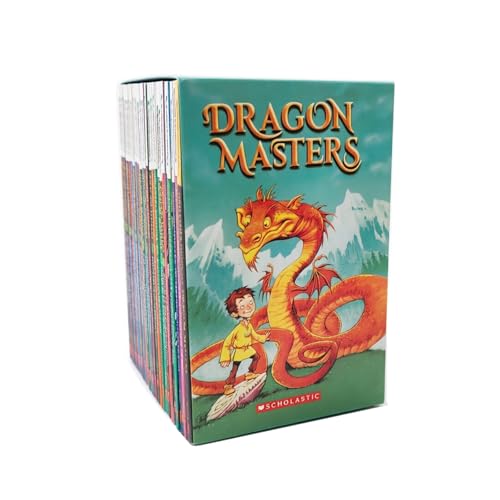 PHGYTOH PHGYTOH Dragon Masters 1-29 Box Set Paperback Fantasy Chapter Book…
View on Amazon ↗
 NOVELOOP Noveloop Complete 26 Books A to Z Mysteries Paperback Series…
View on Amazon ↗
Listing names and images come from Amazon and are rechecked against the live listings; last checked Nov 8, 2026. No prices shown; the current price is on the listing.
About this guide. This guide covers the chapter book category, not any single title. It is written from general knowledge of how children's reading develops and how the format works. Before you buy, check the sample page and page count on the listing against the checks here.