Start with the sensor type and power source. Electrochemical sensors respond faster to low levels; biomimetic sensors cost less but can be slower. Battery alarms survive outages, while plug in alarms with battery backup never go dark. Placement matters most: one alarm per sleeping floor and near attached garages. Skip smart extras unless you need remote alerts.
Start With the Sensor, Not the App
The sensor inside the alarm sets how quickly it reacts and how often it false alarms. Electrochemical sensors measure carbon monoxide directly and respond fast to low, lingering levels. They are the standard for alarms that need to wake someone at 3 a.m.
Biomimetic sensors use a gel disc that darkens when carbon monoxide is present. They cost less but react more slowly and may not catch a slow leak before symptoms appear. Metal oxide sensors sit between the two, though humidity can shift their readings.
A digital readout on the front is not a sensor type. It only displays the peak level the sensor recorded. Compare the sensor technology in the listing before paying extra for a screen.
Power Source Decides What Happens in a Blackout
Hardwired alarms with battery backup stay powered during outages and link together so one alarm triggers all. They fit homes with existing wiring and codes that require interconnection. Installation takes more work and may need an electrician.
Battery only alarms install in minutes and work during outages. They suit rentals, older homes without wired alarms, and rooms where running wire is impractical. Expect to replace the battery at least once a year.
Plug in alarms with battery backup need an outlet and a backup battery. They are easy to move between rooms but do not interconnect. Check the listing for the battery type and whether the alarm chirps when the backup is low.
| Power source | Works in outage | Install effort | Best for |
|---|---|---|---|
| Hardwired with backup | Yes | High, may need electrician | New builds, whole home coverage |
| Battery only | Yes | Low, peel and stick or screw | Rentals, older homes, quick install |
| Plug in with backup | Yes | Low, needs outlet | Single rooms, moving between spaces |
All three types should have a battery backup or a sealed 10 year battery. A hardwired alarm without backup goes silent when the power fails, which is exactly when a generator or space heater can create carbon monoxide.
Placement Rules Are Simple and NonNegotiable
Put one alarm on every level where people sleep, including the basement if anyone sleeps there. Place alarms outside each sleeping area, not inside a closet or behind a curtain. Carbon monoxide mixes with air, so wall or ceiling placement both work.
For an attached garage, place an alarm in the room above or next to the garage door. Do not put one inside the garage itself. Exhaust and temperature swings shorten sensor life and cause false alarms.
Keep alarms at least 15 feet away from fuel burning appliances like furnaces, water heaters, and gas stoves. Small amounts of carbon monoxide at startup can trigger false alarms. In a rental, check that the landlord placed alarms near bedrooms, not just in the hallway.
Rental Properties Need a Different Checklist
Renters should check local laws before buying. Many states require landlords to install and maintain carbon monoxide alarms. If the rental already has working alarms, you may not need to spend anything.
If you add your own alarm, choose battery powered models you can take when you move. Hardwired alarms belong to the property and may violate a lease if you remove them. Look for alarms with a sealed 10 year battery so you never need to buy replacements during the lease.
For a holiday home or vacation rental you own, hardwired interconnected alarms with battery backup give the best protection when the property sits empty. A smart alarm that sends phone alerts helps you respond to a problem from another city.
Elderly Relatives Need Alarms They Can Hear and Check
An alarm that only beeps at 85 decibels may not wake someone with hearing loss. Look for models with a low frequency alarm tone or a strobe light. Some alarms connect to bed shakers or vibrating pads.
A digital display helps an older relative see the peak carbon monoxide level after an alarm stops. Large buttons and a test button that works with a broom handle matter when mobility is limited.
Avoid alarms that require a smartphone app for setup. An elderly relative who does not use a phone cannot silence a false alarm or check the battery. Choose a model with a physical test button and a clear battery indicator.
Read the Listing for These Five Details
Check the sensor type first. If the listing does not name it, assume it is the cheapest option. Look for the words electrochemical, biomimetic, or metal oxide semiconductor.
Find the power source and battery type. A sealed 10 year lithium battery means no annual battery changes. A replaceable 9 volt battery means you will change it every year and hear a chirp when it is low.
Look for the alarm's end of life signal. All carbon monoxide alarms expire, usually after 5 to 10 years. The listing should state the lifespan and whether the alarm beeps when the sensor is dead.
Check the certification mark. In the US, alarms should meet UL 2034. This is the safety standard for residential carbon monoxide alarms. A listing that avoids naming a certification is a red flag.
Ask the seller about interconnection if you need it. Hardwired alarms interconnect through wiring; some battery alarms interconnect wirelessly. Confirm the alarm works with your existing system before buying.
The Mistake That Causes Most False Alarms
Placing an alarm too close to a gas stove or furnace causes repeated false alarms. People then remove the battery and forget to replace it. The alarm ends up useless when a real leak happens.
Another common mistake is buying one alarm for a multistory home. Carbon monoxide spreads slowly, and an alarm in the basement cannot wake someone on the second floor. Buy one per sleeping floor.
Ignoring the expiration date is the quietest mistake. The sensor degrades over time even if the battery is fresh. Write the install date on the alarm with a marker and replace it when the listing says the sensor expires.
Carbon Monoxide Alarm Questions Worth Asking Before You Buy
How many carbon monoxide alarms do I need?
Install one alarm on every level where people sleep, including the basement if it has bedrooms. Also place one outside each sleeping area. For a two story home with a basement, that means at least three alarms. If you have an attached garage, add one in the room above or next to the garage door.
Which carbon monoxide alarm is best for a basement?
A basement needs an alarm with a battery backup because basements often house furnaces and water heaters, which can create carbon monoxide during a power outage. An electrochemical sensor responds faster to low levels that build up in enclosed spaces. Place the alarm on the ceiling near the stairs, not next to the furnace.
What is the lifespan of a carbon monoxide alarm?
Most residential carbon monoxide alarms last 5 to 10 years depending on the sensor type. Electrochemical sensors typically last 7 to 10 years; biomimetic sensors may expire sooner. The listing should state the lifespan. The alarm beeps or chirps when the sensor reaches its end of life, but you should still write the install date on the back.
Should I buy a smart carbon monoxide alarm?
A smart alarm makes sense if you own a vacation home or rental property and need remote alerts when you are away. It also helps if an elderly relative lives alone and you want to monitor their alarm. For a home where someone is always present, a standard alarm with a loud siren and battery backup is enough.
Is a plug in carbon monoxide alarm better than a battery one?
A plug in alarm with battery backup works during outages and never needs battery replacement if it has a sealed backup. A battery only alarm offers more placement flexibility because it does not need an outlet. For a rental or a room without a convenient outlet, battery only is the better fit. For a permanent home, hardwired with backup is the most reliable.
Which Carbon Monoxide Alarm Setup Fits Your Home
For a family home with a basement and an attached garage, buy hardwired interconnected alarms with electrochemical sensors and battery backup, one per sleeping floor. For a renter who cannot modify wiring, a battery only alarm with a sealed 10 year battery and a digital display installs in minutes and moves with you. A holiday home owner needs a smart alarm with remote alerts instead.
Real carbon monoxide alarm listings, so you can check the points in this guide against actual products. These are affiliate links: as an Amazon Associate we earn from qualifying purchases, at no extra cost to you.
 FIRST ALERT First Alert Plug in Carbon Monoxide Alarm | CO606, 9V…
View on Amazon ↗
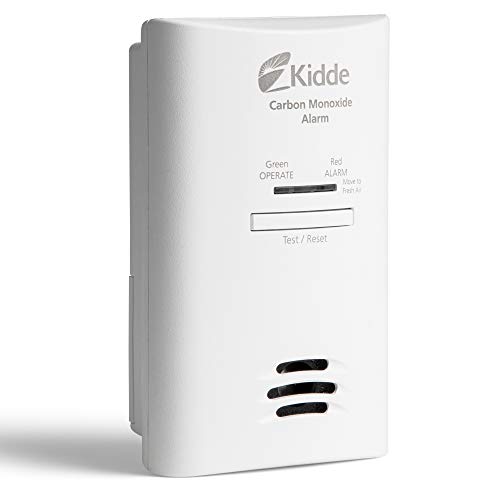 KIDDE Kidde Carbon Monoxide Detector, Plug-in Carbon Monoxide Detector with AA…
View on Amazon ↗
 SITERWELL SITERWELL Plug in Carbon Monoxide Detector 10 Year Battery&AC Powered,…
View on Amazon ↗
Listing names and images come from Amazon and are rechecked against the live listings; last checked Nov 8, 2026. No prices shown; the current price is on the listing.
Scope and limits. Use this guide as a checklist to compare any carbon monoxide alarm listing against the factors that matter: sensor type, power source, and placement. It is written from general category knowledge, not from testing individual models, so confirm the sensor type, battery life, and certification on the listing before you buy.