Start with stitch quality and feeding, not stitch count. A machine that holds a straight stitch on light cotton and a zigzag on denim will carry you further than one with forty decorative stitches you never use. Choose a mechanical model if you want simple dials and easy repair, or a computerized one for smoother starts and needle stop control. The main tradeoff is between an inexpensive, lightweight frame and the steadier feeding of a heavier metal chassis.
Feed Style Decides How Much You Fight the Fabric
A beginner machine either moves fabric with a drop feed, where teeth rise from below the needle plate, or a box feed, where the feed mechanism sits in a rectangular slot. Drop feed is the standard on most entry level models and works fine for cotton, linen, and light knits. Box feed, common on older mechanical designs, grips fabric more evenly and reduces puckering on slippery or dense material.
Check the listing for the feed description. If you plan to hem jeans or sew canvas tote bags, a machine with an adjustable presser foot pressure and a box feed will frustrate you less. For dressmaking with rayon or chiffon, a drop feed with a straight stitch plate is often smoother.
Feed dogs that drop, meaning you can lower them for free motion work, matter only if you want to quilt. For a first machine used for garments and mending, this feature rarely gets touched.
The Stitch Set That Actually Earns Its Place
You need three stitches on a first machine: a straight stitch, a zigzag, and a four step or one step buttonhole. A straight stitch handles seams and topstitching. A zigzag finishes raw edges, sews knits without popping, and attaches elastic. A buttonhole setting makes shirts, dresses, and tote bags possible without hand stitching.
Stretch stitches, a blind hem stitch, and a triple straight stitch are useful extras if you sew jersey or activewear. Decorative stitches beyond about ten are mostly for embellishment and do not make the machine easier to learn.
Compare the stitch selection by looking at the dial or screen. A mechanical machine with clearly printed stitch icons is faster to set up than a computerized menu with submenus. For a beginner, fewer stitches with a direct dial beats thirty stitches hidden behind a screen.
| Design type | Feed behavior | Stitch access | Best first use | Watch for |
|---|---|---|---|---|
| Compact mechanical | Drop feed, light frame | Dial with 10 to 20 stitches | Mending, light cotton, classes | Vibration on thick seams |
| Full size mechanical | Drop or box feed, metal frame | Dial with 15 to 25 stitches | Dressmaking, denim repairs | Heavier to carry |
| Computerized beginner | Drop feed, speed control | Screen with 30 to 60 stitches | Knits, buttonholes, frequent sewing | Menu learning curve |
| Heavy duty mechanical | Box feed, cast frame | Dial with 10 to 20 stitches | Canvas, denim, small business | Fewer stretch stitches |
A compact mechanical model is the easiest to move to a sewing class and the least intimidating to thread. A heavy duty mechanical model is the one to pick if your first projects are denim repairs or bag making for a small business.
Frame Weight Is the Hidden Feature You Feel
A sewing machine's frame, not its motor, decides how much it vibrates and whether stitches skip on thick fabric. Many entry level machines use a plastic internal frame to keep the price low and the weight under about twelve pounds. That is fine for quilting cotton and broadcloth.
A metal frame, often described as a metal chassis or internal metal frame, adds three to eight pounds and noticeably reduces skipping when you cross a thick seam. This matters most for hemming jeans, sewing multiple layers of canvas, or repairing a denim jacket.
If you will carry the machine to classes weekly, a light frame is a real advantage. If the machine stays on a table, choose the heaviest frame your budget allows.
Buttonholes Separate a Useful Machine From a Toy
The buttonhole is the first feature a beginner discovers is missing. Cheaper machines may include only a four step buttonhole, where you manually turn a dial between each side of the buttonhole. This works but produces uneven results until you practice.
A one step buttonhole, where you place the button in a holder and the machine sews the whole buttonhole automatically, is the single most worthwhile upgrade on a first machine. It turns a button up shirt from a frustrating project into a simple one.
Check the listing for the words one step or automatic buttonhole. If it only says buttonhole, assume it is a four step and compare the price accordingly.
Mistakes That Turn a First Machine Into a Doorstop
A common mistake is buying the machine with the most stitches for the lowest price. That usually means a light plastic frame, a weak feed, and a buttonhole that disappoints. The stitch count on the box is the least useful number in the listing.
Another mistake is skipping the presser foot pressure adjustment. Without it, lightweight fabrics pucker and heavy fabrics refuse to feed. Look for a dial or knob on the top or side of the machine, not a fixed setting.
Buying a machine with no speed control is a mistake if you are nervous about sewing straight lines. A slider that limits the top speed, common on computerized models, gives you time to guide fabric. On a mechanical machine, you control speed only with the foot pedal, which takes practice.
Read the Listing for These Omissions
Listings lead with stitch count, accessory count, and LED lights. What they often omit is the frame material, the feed type, and the presser foot pressure. If the listing does not say metal frame, assume plastic. If it does not say one step buttonhole, assume four step.
Check the included accessories for a zipper foot, a buttonhole foot, and a seam ripper. A zipper foot is essential for sewing zippers into dresses and pouches. A buttonhole foot is needed for the buttonhole setting. If these are sold separately, add that to your cost.
Ask the seller about the maximum stitch width and the needle position adjustment. A machine that cannot move the needle left or right makes topstitching and zipper insertion harder. Five millimeters of stitch width is typical for a beginner machine; less than that limits your zigzag.
Who Should Skip a Beginner Machine
If you already sew regularly and want to quilt large projects, a beginner machine's narrow throat space, the gap between the needle and the right side of the machine, will frustrate you. Quilting a twin size quilt requires a throat space of at least seven inches, which many beginner models do not have.
If you plan to sew leather, multiple layers of upholstery fabric, or heavy canvas daily for a small business, a beginner machine's motor will overheat. Look instead at a mid range or heavy duty mechanical machine with a stronger motor and a walking foot option.
If you want an embroidery machine, a beginner sewing machine will not do that. Embroidery requires a separate hoop and digitized design capability, which is a different product type.
Thread, Needles, and the Costs You Do Not See
A beginner machine uses standard home sewing needles, which cost little and are easy to find. Budget for a pack of universal needles in sizes 70/10 for lightweight fabric and 90/14 for denim. Using the wrong needle size causes more skipped stitches than any machine defect.
Thread choice matters more than the machine for stitch quality. A smooth, all purpose polyester thread runs cleanly through most beginner machines. Cheap cotton thread sheds lint that builds up in the bobbin area and causes jams.
Plan to clean the bobbin area after every few projects. Lint from fabric and thread collects under the needle plate and can stop the feed from moving. A small brush, usually included, and a drop of sewing machine oil on mechanical models keep the machine running smoothly. Check the manual for oiling points, since many computerized models are sealed and should not be oiled.
Beginner Sewing Machine Questions, Answered Straight
Is a beginner sewing machine worth it for someone who has never sewn?
Yes, if you pick a machine with a one step buttonhole and adjustable presser foot pressure. A beginner machine with a simple dial and a stable frame teaches you stitch length and tension without overwhelming you. Skip the cheapest models with only a four step buttonhole, since they make simple projects feel harder than they are.
Which beginner sewing machine is best for denim repairs?
Look for a full size or heavy duty mechanical machine with a metal frame and a box feed. Denim needs steady fabric movement and enough presser foot pressure to climb over thick seams. A compact plastic machine will skip stitches and vibrate. A size 90/14 or 100/16 needle and a longer stitch length also help.
What makes a sewing machine beginner friendly?
A clear stitch selection dial, a top loading bobbin that you can see, and a speed control slider make the biggest difference. A needle threader and a built in thread cutter reduce setup frustration. Avoid machines that bury basic stitches in a screen menu, since that slows down learning.
Should I buy a computerized or mechanical sewing machine as a beginner?
Choose mechanical if you want to understand tension and stitch length by feel and prefer simple repairs. Choose computerized if you want a speed slider, automatic thread cutting, and smoother starts. Computerized models cost more to repair, so factor that in if you plan to keep the machine for many years.
How do I compare beginner sewing machines without seeing them in person?
Compare the frame material, the feed type, and the buttonhole style first. Then check the presser foot pressure adjustment and the included feet. Stitch count and accessory count are the least useful comparisons. A metal frame with a one step buttonhole beats a plastic frame with forty stitches every time.
The First Machine That Fits Your First Project
Someone sewing dresses, light quilts, and the occasional hem will be happiest with a full size mechanical machine that has a metal frame, a drop feed, and a one step buttonhole. It balances steadiness, simple dials, and a fair price. If your first projects are denim repairs or canvas bags for a small business, choose a heavy duty mechanical model with a box feed and a stronger motor instead. That one change prevents most skipped stitches and motor strain.
Real beginner sewing machine listings, so you can check the points in this guide against actual products. These are affiliate links: as an Amazon Associate we earn from qualifying purchases, at no extra cost to you.
 JANOME Janome 1522SP Mechanical Sewing Machine - Aesthetic Pink Sewing Machine…
View on Amazon ↗
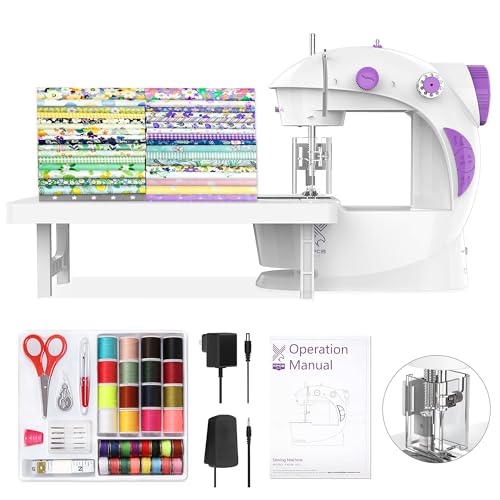 KPCB TECH KPCB Tech Sewing Machine for Beginners with Fabrics&Finger Guard, Mini…
View on Amazon ↗
 CHUNARA Sewing Machine for Beginners, mini Electric Sewing Machine with Dual…
View on Amazon ↗
Listing names and images come from Amazon and are rechecked against the live listings; last checked Nov 8, 2026. No prices shown; the current price is on the listing.
About this guide. This guide is written from general knowledge of how sewing machine designs behave, not from testing any specific model. It cannot tell you whether a particular listing has a metal frame or a one step buttonhole, so check those details on the product page before buying.