Focus on stitch type, threading design, and differential feed. A 2 to 4 thread serger handles most garment seams and finishes. A 5 thread or coverstitch model suits stretchy or professional work. Air threading and lay in tension reduce setup time. The main tradeoff is capability versus ease of use.
Stitch Type Sets the Ceiling
A serger cuts and encases the raw edge in thread as you sew. The number of threads changes what that seam can do. A 2 to 4 thread machine covers most woven garments, simple knits, and edge finishes. It is the workhorse for dressmaking and basic repairs.
A 5 thread machine adds a safety stitch, a straight chainstitch next to the overlock. That gives a stronger seam for stress points like denim inseams or bag straps. If you repair jeans or sew workwear, this capability matters more than extra decorative stitches.
A coverstitch machine or a combo model does something different: it creates the double line of stitching you see on T-shirt hems and cuffs. A serger alone cannot do that. If you sew stretchy activewear or want professional looking knit hems, consider a combo or a separate coverstitch machine.
Threading Design Decides Daily Use
Threading is the biggest practical difference between models. On a basic mechanical serger, you thread four paths in order, often with tweezers. It takes practice and patience. On an air threading machine, you push the thread into a port and compressed air carries it through the loopers. That turns a 15 minute job into a minute.
Lay in tension dials are another time saver. Instead of wrapping thread through tension discs, you lay it between two discs. Color changes and thread breaks become much faster. For a sewing class or a small business with frequent color changes, this feature changes the rhythm of the day.
Check the lower looper path specifically. It is the hardest to reach on most machines. Some designs give you a clear cover, a long threading wire, or a color coded path. A machine that is easy to thread gets used more often.
Feed and Knife Settings for Tricky Fabric
Differential feed controls how the two sets of feed dogs move. If the front feeds faster than the back, the fabric gathers slightly. If the back feeds faster, the fabric stretches. That lets you sew a flat seam on jersey, or a lettuce edge on a knit hem. Without it, stretchy fabric often waves or puckers.
The cutting knife sits above the stitch forming area. On most machines you can lower or disengage it for a flatlock or a rolled hem. Check that the knife moves with a simple lever, not a screwdriver. A dull knife causes skipped stitches and frayed edges, so look for a model with a replaceable blade.
Presser foot pressure matters for very light or very heavy fabrics. A dial lets you adjust for chiffon versus denim. If you only sew one fabric weight, you can set it once and forget it. If you switch between projects, a clear dial beats a hidden screw.
Stitch Length, Width, and Rolled Hem
Stitch length and width are set by dials or knobs on a mechanical machine, or by buttons on a computerized one. A wider stitch uses more thread but covers more edge. A narrower stitch is better for lightweight fabric. Check the range: 1 to 4 millimeters for length and 3 to 7 millimeters for width covers most sewing.
A rolled hem is a narrow, dense edge finish for napkins, ruffles, and lightweight scarves. On most machines it requires changing the needle plate, removing a stitch finger, or moving a lever. On a few models it is a single dial turn. If you sew home decor or gifts, this feature gets used more than you expect.
The needle plate opening size affects which fabrics feed cleanly. A small opening supports fine fabric. A larger opening gives the looper room for thick seams. Some machines include two plates. If the listing does not say, ask the seller before buying.
What to Check on a Listing
Look for the number of threads and the stitch count. A 3 to 4 thread machine lists overlock stitches; a 5 thread adds a safety stitch; a combo adds coverstitch. The listing should state the maximum stitch length and width, and whether differential feed is included.
Check the threading description. 'Air threading' or 'jet air' means the loopers thread with air. If it says 'easy threading' without details, it is probably a manual path with color coded guides. Ask whether the lower looper has a threading wire or a clear access cover.
The included feet and accessories tell you what the maker expects you to sew. A blind hem foot, a piping foot, or a gathering foot suggests the machine is meant for garment work. A basic set with only the standard foot is fine for edge finishing but limits other techniques.
Weight and size matter if you move the machine for classes or store it between projects. A serger is heavier than a sewing machine, often 15 to 25 pounds. Check the footprint against your sewing table. A machine that overhangs the front of a small table is awkward to use.
Who Should Skip a Serger
If you only sew woven fabric with straight seams and finish edges with pinking shears or a zigzag stitch, a serger adds a second machine to thread and maintain. A regular sewing machine with a good overcast foot can handle many edges.
For very thick materials like multiple layers of canvas or vinyl, a heavy duty straight stitch machine is often better. A serger's looper system and knife struggle with bulky, rigid stacks. Compare what you sew most before adding a serger.
If you want one machine that does everything, a combo serger with coverstitch looks appealing. But switching between overlock and coverstitch modes means rethreading and changing parts. If you only need coverstitch hems occasionally, a separate basic serger plus a used coverstitch machine may serve you better.
For a small business doing high volume production, consider service and parts availability. A serger needs regular cleaning and occasional timing adjustments. A dealer nearby or a well known brand with parts online saves downtime. Check whether the presser foot and needles are standard sizes.
Comparison by Main Use
Use this table to match the machine design to what you sew most often. The columns show the main tradeoffs, not a ranking.
| Design | Stitch options | Setup effort | Best for |
|---|---|---|---|
| 2 to 4 thread mechanical | Overlock, rolled hem | Manual threading, moderate | Dressmaking, basic repairs |
| 3 to 4 thread with air | Overlock, rolled hem | Air threading, low | Classes, frequent color changes |
| 5 thread safety stitch | Overlock plus chainstitch | Manual or air, higher | Denim repairs, workwear |
| Coverstitch combo | Overlock plus coverstitch | High, mode changes | Stretchy knits, pro hems |
A 2 to 4 thread machine covers most home sewing. A 5 thread adds strength for repairs. A combo adds hemming but doubles the setup work.
Long Term Costs Beyond the Machine
Sergers use more thread than a sewing machine, often four cones at once. Large cones cost less per yard than small spools. Budget for thread, replacement needles, and a new knife blade every year or two depending on use.
Needles are not the same as sewing machine needles, though many sergers take standard home types. Check the listing for the needle system. A machine that uses a common system like HAx1 or ELx705 keeps replacement easy.
Oil and cleaning supplies are part of ownership. A serger produces lint faster than a sewing machine because of the knife. A small brush, a lint wand, and a bottle of sewing machine oil cover routine care. If the manual includes an oiling diagram, that is a sign the maker expects the machine to last.
For a small business, factor in a yearly service. A technician cleans, checks timing, and replaces worn parts. This costs less than a major repair and keeps stitch quality consistent.
Mistakes That Lead to a Bad Buy
Buying by brand or price alone. Two machines with the same stitch count can thread very differently. The threading design affects every color change and every thread break. Compare that before the motor speed.
Assuming a serger replaces a sewing machine. It does not make buttonholes, topstitch, or sew a straight seam in the middle of fabric. You still need a regular machine for most construction. If you have limited space, consider whether you can store both.
Choosing a combo machine for one feature. The coverstitch mode requires rethreading and often a different needle plate. If you rarely hem knits, the extra cost and setup time outweigh the benefit. A separate used coverstitch machine may be a better value.
Ignoring the return policy for a machine bought online. A serger is a precision tool. Test it on your own fabric within the return window. Check the stitch balance on a scrap of jersey and a scrap of denim before the window closes.
Serger Questions Before You Buy
What is a serger machine used for?
A serger trims the fabric edge and wraps it in thread in one pass. It creates strong, stretchy seams and clean edge finishes. It is the standard machine for knit garments, activewear, and preventing woven fabric from fraying. It does not replace a sewing machine for buttonholes or topstitching.
Should I buy a serger or a sewing machine first?
Buy a sewing machine first. It handles straight seams, zippers, buttonholes, and most construction. Add a serger when you sew knits regularly, want faster edge finishes, or need stronger seams for repairs. A serger alone cannot build a garment from start to finish.
Is a 5 thread serger worth it over a 4 thread?
If you repair denim or sew heavy woven fabrics, yes. The extra chainstitch gives a stronger seam that resists stress. If you sew mostly lightweight garments and knits, a 4 thread machine is enough and threads faster. The 5 thread adds one more thread path to manage.
How do I compare serger threading systems?
Look for 'air threading' in the listing. It uses compressed air to push thread through the loopers. Manual threading uses color coded guides and tweezers. Air threading is faster but costs more. Check the lower looper path specifically: a clear cover or long wire makes manual threading easier.
Can a serger do a coverstitch?
Only a combo machine or a dedicated coverstitch machine can. A standard serger makes an overlock stitch, not the double line of a coverstitch. If you want professional looking hems on T-shirts and leggings, you need coverstitch capability. Switching modes on a combo takes time and rethreading.
Which Serger Fits Your Sewing
For dressmaking and basic repairs, a 3 to 4 thread serger with air threading and differential feed covers the most ground. It handles woven seams, simple knits, and edge finishes without a long setup. For denim repairs or workwear, choose a 5 thread machine with a safety stitch. For stretchy knit hems only, skip the serger and buy a separate coverstitch machine instead.
Real serger machine listings, so you can check the points in this guide against actual products. These are affiliate links: as an Amazon Associate we earn from qualifying purchases, at no extra cost to you.
 BROTHER Brother AIR1800 Air Serger Sewing Machine with Jet Air Threading…
View on Amazon ↗
 KEPYDRMTF Serger Thread - 4 Cones x 3000 Yards (12,000 Yards…
View on Amazon ↗
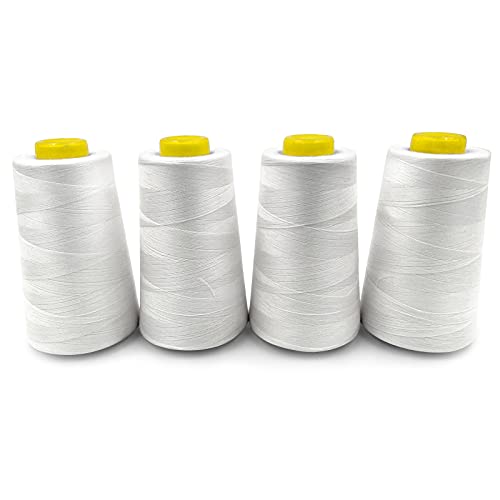 TORTOISE Tortoise 4 Cones of 3000 Yards Each Spool Thread for…
View on Amazon ↗
Listing names and images come from Amazon and are rechecked against the live listings; last checked Nov 8, 2026. No prices shown; the current price is on the listing.
Scope and limits. Use this guide as a checklist to hold against any listing. The guidance comes from general knowledge of how these machines work, not from testing individual models. Verify dimensions and included accessories on the product page before you buy.