An automatic litter box can eliminate daily scooping, but the result depends on the cleaning mechanism and your cat's willingness to use it. Compare sifting, rake, and rotating designs for waste handling, noise, and litter compatibility. If your cat startles easily or you have multiple cats, choose a quieter model with a larger waste drawer. The main tradeoff is convenience versus cat acceptance.
Cleaning Mechanism Sets the Baseline
The core decision is how the box removes waste. Rotating drum models turn the entire litter bed, sifting clumps into a sealed compartment. This handles urine and solid waste well, but the motion and motor noise can make some cats hesitant.
Rake conveyor designs use a comb that moves through the litter, pushing clumps into a waste bin. They tend to be quieter and less startling, but the rake can jam with softer litter or larger clumps.
Sifting tray systems lift a screen through the litter bed, leaving clumps on top for manual removal or automatic disposal. They are gentle and quiet, but often require a specific litter type and more frequent tray swaps.
Cat Acceptance Is the Real Spec
An automatic litter box only works if your cat uses it regularly. Some cats adapt within days, while others refuse to enter after one bad experience. The main risks are motor noise, movement during cycling, and a smaller interior compared to a standard pan.
Check the listed interior dimensions against your current box. A cat that likes to dig or turn around needs at least as much floor space as a traditional large pan. Covered designs can feel cramped or trap odors, which some cats dislike.
If your cat is elderly, arthritic, or very large, look for a low entry step and a wide opening. A high step or narrow doorway can become a barrier. You can often help by placing the new box next to the old one and letting your cat explore it unplugged for a few days.
Waste Drawer Size and Odor Control
Waste capacity determines how often you empty the unit. Budget models may hold a few days of waste for one cat. Larger drawers can go a week or more, which matters in multicat homes.
Odor control varies with the sealing method. Rotating drums often trap waste in a covered compartment with a carbon filter. Rake designs leave waste in an open tray unless the unit has a lid. Sifting trays may expose clumps briefly, so check for a sealed waste area.
Compare the drawer's seal, filter placement, and whether the unit runs a fan or deodorizer. These details affect how the room smells between emptying cycles, especially in small apartments.
Litter Compatibility Is Easily Overlooked
Most automatic boxes require clumping litter, but not all clumping litters work equally well. Fine grained litters sift cleanly in rotating drums, while larger granules can jam rake mechanisms. Crystal or silica litters often work in sifting trays but may be too light for sensors.
Check the manufacturer's litter guidance before buying. Some designs specify a maximum granule size or moisture level. Using the wrong litter can cause clumps to stick to the rake or fall apart during rotation, leaving waste behind.
If you already buy a specific litter for odor or dust control, verify that it is compatible. Switching litters at the same time as switching boxes can create two variables if your cat stops using the box.
Noise and Cycling Frequency
Motor volume ranges from a soft hum to a noticeable grind. A unit that cycles loudly or frequently can startle a cat mid use or disturb a light sleeper in a studio apartment. Check the decibel rating if listed, or look for a quiet or night mode.
Cycling frequency matters for waste buildup. Models with a short delay after use may cycle while a second cat is nearby. Longer delays reduce noise interruptions but allow waste to sit longer. Adjustable timers let you balance odor control and cat comfort.
For busy owners, a unit that cycles reliably on a schedule is more valuable than one with app alerts. A missed cycle due to a sensor error means a dirty box, which can push a cat to eliminate elsewhere.
Reading a Listing Before You Buy
| Listing detail | What to check | Why it matters |
|---|---|---|
| Interior dimensions | Compare to your current box | Too small causes refusal |
| Litter compatibility | Clumping type and granule size | Wrong litter jams the mechanism |
| Waste drawer capacity | Number of cats and days | Sets your emptying schedule |
| Noise level | Decibels or quiet mode | Startles cats and disrupts sleep |
| Entry height | Step over measurement | Barrier for senior or small cats |
Ask the seller about return policies if your cat refuses the box. Some brands offer a trial period, but many do not. Confirm that replacement parts like filters, waste bags, or rake combs are available separately.
Check the power source. Most units plug in, but a few run on batteries or have a battery backup. If the box loses power mid cycle, it may stop in a position that blocks the entrance.
Mistakes That Lead to a Return
Buying the smallest model to fit a tight space often backfires. A cramped interior is the most common reason cats reject an automatic box. Measure your cat's length and your current pan before choosing.
Switching litter and box at the same time is a common setup error. If the new litter has a different texture or scent, your cat may blame the box. Transition one change at a time and keep the old box nearby for a week or two.
Ignoring the waste drawer until it is full causes odor and sensor problems. Some units stop cycling when the drawer is full, leaving the litter bed dirty. Set a reminder based on the stated capacity, not on visible overflow.
Placing the box in a high traffic or noisy area can scare a cat away. Laundry rooms, near furnaces, or beside a busy hallway are poor spots. Choose a quiet corner with an escape route.
Who Should Skip an Automatic Litter Box
A standard litter box may serve better if your cat is extremely skittish or has a history of litter box avoidance. The motor and movement introduce a risk that a simple pan does not.
If you have a very large breed like a Maine Coon, check interior dimensions carefully. Many automatic boxes are built for average sized cats, and a cramped unit will not be used.
Homes with limited outlets or frequent power outages should consider the backup situation. A box that stops working during a storm becomes a dirty pan until power returns.
For a cheaper alternative, a sifting litter pan or a covered box with a charcoal filter can reduce odor and scooping without any moving parts. Explore other cat essentials in the pet supplies department if you are unsure.
Long Term Costs Go Beyond the Price Tag
Consumables add up. Most units need proprietary waste bags, carbon filters, or special litter. Check the cost and availability of these before committing to a design.
Waste drawer liners or bags are a recurring expense. Some models use standard trash bags, while others require custom fit liners. Filters typically need replacement every few weeks to months.
Power consumption is usually low, but a unit that runs a fan continuously will use more electricity than one that cycles only. Budget models may have cheaper motors that wear out sooner, so compare warranty length as a signal of durability.
Automatic Litter Box Questions, Answered
How do I get my cat to use an automatic litter box?
Place the new box next to the old one and leave it unplugged for a few days so your cat can explore it without movement. Put a small amount of used litter from the old box inside to transfer the scent. Once your cat enters willingly, plug it in and let it cycle while you are present. Keep the old box available for at least a week, then remove it gradually.
Which automatic litter box is best for multiple cats?
Look for a larger waste drawer and a shorter cycle delay so the box is ready for the next cat. A rotating drum with a sealed waste compartment handles higher volume better than a small rake tray. Check the manufacturer's stated cat capacity and interior dimensions. Even with multiple cats, you may still need a second box, as many cats dislike sharing a single unit.
What is the quietest automatic litter box?
Sifting tray designs are generally the quietest because they use a simple lift mechanism rather than a motorized drum. Rake conveyor models are moderate, while rotating drums tend to be the loudest. Compare decibel ratings if listed, or look for a night mode that delays cycling. A quiet motor matters most in small apartments and for skittish cats.
Is an automatic litter box worth it for one cat?
For a single indoor cat, an automatic box can save daily scooping and reduce odor between cleanings. The tradeoff is the upfront cost and the risk your cat refuses it. If you travel often or have a busy schedule, the convenience may be worth it. If your cat is adaptable and you have space, a mid range rake or sifting model offers a good balance.
Can I use any clumping litter in an automatic litter box?
Not always. Check the manufacturer's guidance, as some mechanisms require fine granules or a specific moisture level. Coarse litter can jam rake combs, and lightweight litter may confuse sensors. Crystal or silica litters work in some sifting trays but can be too dry for clumping mechanisms. Using the wrong litter can leave waste behind or stop the cycle.
A Self Cleaning Box That Fits Your Cat
A home with one or two average sized cats and a busy owner does well with a rake conveyor model that uses standard clumping litter and has a sealed waste drawer. It balances noise, reliability, and cat comfort. If your cat is skittish or you have a senior cat with mobility issues, choose a low entry sifting tray design and keep the old box nearby during the transition. That quieter, gentler approach reduces refusal risk in sensitive cats.
Real automatic cat litter box listings, so you can check the points in this guide against actual products. These are affiliate links: as an Amazon Associate we earn from qualifying purchases, at no extra cost to you.
 MIMFAM Mimfam Automatic Self Cleaning Litter Box, with 4 Pairs Infrared…
View on Amazon ↗
 CUMRIGE Cumrige Automatic Litter Box,Safety Sensor,App Control,95L Large Capacity | Detachable…
View on Amazon ↗
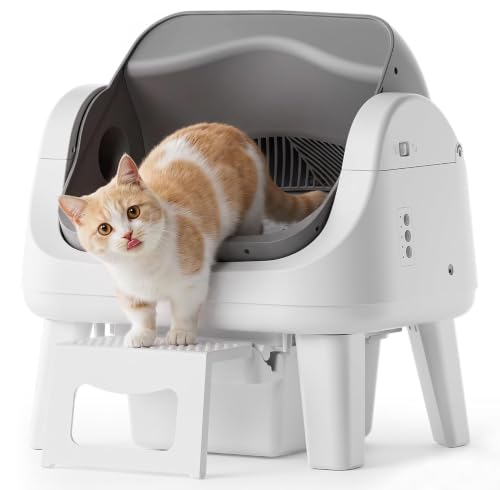 WOZHIO Automatic Litter Box, Self Cleaning Litter Box with Safety Sensors…
View on Amazon ↗
Listing names and images come from Amazon and are rechecked against the live listings; last checked Nov 8, 2026. No prices shown; the current price is on the listing.
Scope and limits. This guide covers automatic litter boxes as a category, not specific models. It is written from general knowledge of how these products work, without reading individual product documents or reviews. Check any listed dimensions, noise ratings, and litter requirements on the product page before buying.