Two factors decide it: how much wind the shell blocks and how well it dumps body heat. Runners who train in exposed, cold conditions should pick a tightly woven shell with zoned vents. Runners who mostly jog in mild weather often overheat in a fully windproof jacket and are better off with a softshell or a wind resistant layer. The main tradeoff is wind protection against breathability.
What the Shell Fabric Actually Blocks
A jacket's wind protection comes from the shell, not from a coating you can see. Tightly woven nylon or polyester stops more air than a loose knit, and a membrane film behind the face fabric blocks even more. Check the listing for words like ripstop, taffeta, or a stated CFM rating, where a lower number means less air passes through.
Water resistance is not the same thing. A DWR finish beads light rain for a few washes, but it will not keep you dry in a downpour. If you run in wet weather, look for fully taped seams and a waterproof membrane, which also blocks wind. That adds weight and cost, so only pay for it if you need it.
Some jackets advertise a windproof rating without saying how it was measured. Ask the seller whether the shell fabric or only the front panels are windproof, and whether the rating applies after washing. A jacket with a windproof chest but mesh back will feel very different from one with windproof fabric all around.
Where the Heat Goes
Your body produces more heat when you run into a headwind, so a jacket that blocks wind can also trap sweat. The best designs put vents where runners actually heat up: under the arms, across the upper back, or along the sides. Pit zips are the most direct control, while a back flap lets air flow out without letting wind in.
Breathability claims are often vague. A membrane can be labeled breathable but still feel clammy at high effort. Compare the vent placement instead. A jacket with large mesh panels or zippered vents will move more air than one with only a small back slit, even if both say breathable on the tag.
For cold weather hiking, you may want fewer vents because you move slower and generate less heat. For running, err toward more venting. If you run hot, a softshell with a loose weave may serve you better than a fully windproof shell, because it lets some wind through while still cutting the chill.
Fit That Stays Quiet at Speed
A running jacket should fit close enough that it does not flap, but not so tight that it binds your shoulders or traps your base layer. Check the size chart for chest and shoulder measurements, and compare them to a jacket you already run in. Tall men should look for a longer body and sleeves, while plus size women should check hip and bicep measurements, not just the chest.
The hem and cuffs do a lot of the work. A hem drawcord keeps cold air from rushing up your back, and elastic or adjustable cuffs seal the wrists. Some jackets have a drop tail for coverage when you lean forward, which helps on a bike or during a stride.
Layering changes the fit. If you plan to wear a thick midlayer underneath, size up or choose a jacket with stretch panels. A jacket that fits perfectly over a T-shirt may feel tight over a fleece. Check the listing for whether the fit is described as athletic, regular, or relaxed.
Hoods, Pockets, and Other Details That Matter
A hood is useful on a windy ridge but can bounce or catch wind if it is loose. Look for a hood with a rear adjustment or an elastic binding that hugs your head. Some runners prefer a jacket without a hood and wear a separate cap, which keeps the collar cleaner and reduces flapping.
Pockets should be placed where they do not interfere with your arm swing. A chest pocket is better for a phone than a low hand pocket, because the weight stays centered. Zippered pockets keep keys and gels from falling out, and a small internal pocket can hold a card or cash.
Reflective details are common but vary a lot. A few small logos will not help much on a dark road. Look for larger reflective strips on the chest, back, and sleeves if you run before sunrise. Some jackets have reflective piping along the seams, which outlines your body better than a single logo.
Design Types Compared
| Shell style | Wind block | Breathability | Best for | Weight |
|---|---|---|---|---|
| Membrane shell | Near total | Low | Exposed cold runs | Heavier |
| Tight woven shell | High | Moderate | Windy but dry days | Light |
| Softshell | Moderate | High | Cool, breezy runs | Midweight |
| Wind resistant layer | Low | Very high | Mild, gusty days | Featherlight |
Membrane shells are the warmest but the most likely to feel clammy. Tight woven shells hit a useful middle ground for cold weather hiking and running. Softshells stretch and breathe well but let more wind through, so they suit stop and start activities. Wind resistant layers are really just light jackets, not windproof ones, and are best for travel or a cool breeze.
Your choice depends on your coldest run, not your average one. If you run in exposed places with steady wind, a membrane or tight woven shell is worth the extra heat. If you mostly run in sheltered streets or forests, a softshell will feel more comfortable and still take the edge off.
Who Should Skip a Windproof Jacket
If you rarely run in open wind and you overheat easily, a windproof jacket can feel like a sauna. You may be better off with a lightweight wind resistant layer or a breathable softshell, which cuts the chill without trapping as much sweat.
Runners in wet climates should think about a waterproof jacket instead. A windproof jacket with only a DWR finish will wet out in steady rain, and then the wind block stops mattering because you are cold from water. A waterproof shell with taped seams blocks wind too, so it can do double duty.
Travelers who want one jacket for running and sightseeing may find a packable windbreaker more useful than a technical running jacket. It packs smaller and looks less sporty, though it will not have the same venting or fit. Consider how often you will actually run in high wind before buying a dedicated piece.
Reading a Listing Before You Buy
Check the shell fabric first. If the listing does not name the weave or fabric weight, ask the seller whether the shell is tightly woven or has a membrane. A vague description like wind resistant usually means it is not windproof, just a light layer.
Look at the venting in the product photos. Can you see pit zips, mesh panels, or a back flap? If the jacket looks like a solid shell with no vents, it will trap heat. Compare that to how hard you run and how much you sweat.
Ask about the fit. Does the jacket run small, and what are the actual chest and hip measurements? For tall men, ask about sleeve and body length. For plus size women, ask whether the cut is straight or shaped, and whether the bicep area has stretch.
Finally, check the care instructions. Some windproof shells need a special detergent or cannot go in a dryer. If you wash your running gear often, that matters more than a fancy membrane. A jacket that loses its DWR after three washes is not a good value, even if it is cheap.
Mistakes That Leave You Cold or Sweaty
Buying the heaviest windproof jacket you can find is a common mistake. You end up carrying extra weight and overheating on every run except the coldest one. Match the jacket to your actual wind exposure, not a worst case scenario you rarely see.
Ignoring the vent placement is another. A jacket can be windproof and still comfortable if it has large pit zips or a mesh back, but many runners only check the shell. Try to find a jacket with at least one large vent you can open while running.
Forgetting about layering leads to a bad fit. If you buy a snug jacket for summer and then try to wear it over a fleece in winter, it will bind. Decide what you will wear underneath before you choose a size, and use the size chart rather than your usual letter size.
Care and Long Term Costs
A DWR finish wears off with washing and abrasion from pack straps. You can restore it with a spray or wash in treatment, but that is an ongoing cost and effort. If you do not want to reapply DWR, choose a jacket with a membrane or one that does not rely on a coating for wind protection.
Membrane shells need gentle washing. Harsh detergents can clog the pores and reduce breathability, and fabric softener is a bad idea. Check the care tag before you buy, because a jacket that needs special detergent will cost more to maintain over time.
Zippers and drawcords are the parts most likely to fail. A cheap zipper can snag or break after a season, and replacing it may cost more than the jacket. Look for a sturdy main zipper and simple, robust cord locks, especially if you will wear the jacket daily.
Windproof Running Jacket Questions, Answered
Is a windproof running jacket worth it?
It is worth it if you run in exposed, windy places and often feel cold in a regular layer. A windproof shell blocks the chill that makes your muscles tense and your pace drop. If you mostly run in sheltered areas or overheat easily, you may find a softshell or wind resistant layer more comfortable and a better use of your money.
What is the difference between windproof and wind resistant?
Windproof means the shell blocks nearly all air movement, usually through a tight weave or a membrane. Wind resistant means it only slows the wind down, so some air still passes through. For cold, gusty runs, windproof is warmer. For mild days or high effort, wind resistant feels less clammy because it breathes better.
How do I choose a windproof running jacket for cold weather hiking?
Look for a tightly woven shell or a membrane with some venting, because hiking generates less heat than running. A hood and a hem drawcord help keep warmth in. Check the fit over your hiking layers, and choose a jacket with zippered pockets for snacks and a map. Avoid a jacket with huge mesh panels if you will stop often.
Can a windproof running jacket be breathable?
Yes, but only up to a point. A membrane can be labeled breathable and still trap sweat during hard efforts. The venting design matters more than the fabric claim. Pit zips, a back flap, or large mesh panels let hot air escape. If you sweat a lot, look for those vents rather than trusting a breathability tag.
Which windproof running jacket fits tall men or plus size women?
Tall men should check sleeve and body length in the size chart, because many running jackets run short. Plus size women should check hip and bicep measurements, not just chest, and look for stretch panels or a relaxed cut. A jacket with adjustable cuffs and a drawcord hem will fit more body shapes than one without.
Which Windproof Running Jacket Fits Your Runs
A runner who trains in open, windy conditions through fall and winter should get a tight woven shell with pit zips and a drawcord hem. It blocks enough wind for cold weather hiking and running without feeling like a plastic bag. A runner who mostly jogs in mild, sheltered weather should instead pick a softshell with stretch panels, which breathes better and still takes the edge off a breeze. Skip a fully windproof membrane unless you run in steady, exposed wind and rarely overheat.
Real windproof running jacket listings, so you can check the points in this guide against actual products. These are affiliate links: as an Amazon Associate we earn from qualifying purchases, at no extra cost to you.
 BALEAF baleaf Men's Cycling Winter Jacket Windproof Thermal Warm Pockets green…
View on Amazon ↗
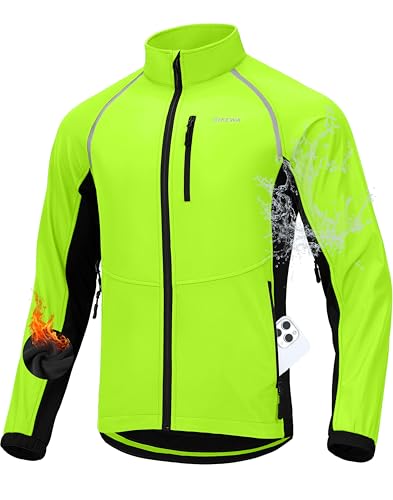 BIKEWA Men's Winter Cycling Jackets Thermal Warm Water Resistant Bike Running…
View on Amazon ↗
 LOCACHY Locachy Men's Lightweight Outdoor Full Zip Stand Collar Windproof Athletic…
View on Amazon ↗
Listing names and images come from Amazon and are rechecked against the live listings; last checked Nov 8, 2026. No prices shown; the current price is on the listing.
What this guide is. This guide is written from general knowledge of windproof running jackets as a category, not from testing individual models. It does not draw on product reviews or owner reports, so check the actual dimensions and fabric details on the listing before you buy.