A streaming card is only as useful as the account it attaches to. Check that the card matches the viewer's existing service or a service they actually want, then confirm the region and expiry rules. The main tradeoff is between broad entertainment credit and a locked subscription credit that can expire or go unused.
Start With the Account, Not the Card
Before you buy, identify the streaming service the viewer already pays for. A card for a different service forces them to either start a new subscription or let the credit sit unused. Ask the recipient which app they open most often, or check whether their household already shares a family plan.
Some cards do not add credit to an existing subscription at all. They may only work for new accounts, or they may apply only to specific add on channels. Read the redemption wording carefully. If the card says 'new subscribers only,' it is a trial voucher, not a gift for a current viewer.
Region and Currency Rules
A streaming card bought in the United States usually cannot be redeemed on an account registered in another country. The same applies to cards bought online from a foreign retailer. Check the country or region printed on the card or in the listing before you buy.
Currency is a separate trap. A card sold in US dollars will not convert to a local currency on redemption. If the viewer's billing country does not match the card's country, the code will simply fail. For anyone traveling or living abroad, this single check matters more than the card's face value.
Credit Expiry and Auto Renewal
Subscription credit often has a redemption deadline. Some cards require activation within 12 months of purchase, while others start a countdown from the first redemption. After that window, the remaining balance can disappear. Check the fine print for the exact terms.
A bigger risk is auto renewal. Once the prepaid credit runs out, the service may automatically charge the payment method on file. If the viewer does not cancel before the credit ends, the 'gift' becomes a recurring bill. Warn the recipient to set a calendar reminder or remove the payment method after redemption.
Store Cards vs Service Cards
A store card for a digital entertainment marketplace works across many apps, games, and movies. This flexibility helps when the viewer's taste is unclear. The downside is that the store may take a cut through its own pricing, and the credit still ties to one account system.
A service specific card delivers the full value directly to one streaming platform. It is efficient but risky. If the viewer already pays for that service, the credit may simply extend their billing date, which is useful. If they do not use that service, the card becomes an obligation rather than a gift.
| Card style | Redemption | Flexibility | Best for | Main risk |
|---|---|---|---|---|
| Store entertainment card | On the store account | Works across many apps | Uncertain tastes | Store pricing and account lock |
| Service specific card | On that service only | None | Known favorite service | Useless if service not used |
| Device bundle card | Often with a new device | Tied to one service trial | New device buyers | Trial may need new account |
| Prepaid debit style | Anywhere cards accepted | Broadest | Viewers who want choice | Purchase and dormancy fees |
Choose the card style that matches how certain you are about the viewer's watching habits. A store card forgives a wrong guess; a service card rewards a correct one.
Reading a Listing Without Getting Burned
A listing can bury the most important facts. Check three things before you pay. First, the redemption country and currency. Second, whether the card works for existing subscribers or new accounts only. Third, the expiry window and any auto renewal language.
Ask the seller directly if the listing is unclear. A reputable seller should state the card's region, the issuing brand, and whether the code is delivered digitally or on a physical card. If the seller cannot answer those questions, the card is not worth the risk.
Watch for vague phrases like 'works with major streaming services' or 'no expiration.' Those claims often mean the card is a general prepaid debit product with monthly fees, not a true streaming subscription card.
The Mistake Nobody Plans For
The most common failure is a card that quietly stops working. A viewer redeems the code, watches for a month, then forgets about it. Six months later the service stops because the credit ran out and the account had no backup payment method. The gift ends with a canceled subscription and a confused recipient.
To prevent this, write the expiry date and the redemption steps on the gift envelope. Tell the viewer to log in, redeem the code, and check the account's next billing date. A 30 second check after redemption prevents a silent cancellation later.
Who Should Skip a Streaming Card
Skip this product type if the viewer already pays for an annual plan. Many annual subscribers cannot apply a monthly credit to their account, or the credit may be held until the next renewal. The card becomes a paperweight for 11 months.
Also skip it if the viewer shares a family plan managed by someone else. The cardholder may not have permission to redeem credit, and the credit may apply to the plan owner's account instead. In that case, a different gift, like a physical item or a direct bank transfer, is safer. For alternatives, see the gift cards department overview.
Long Term Costs You Do Not See Up Front
A streaming card is not always a one time purchase. If the card triggers a free trial, the trial may convert to a paid subscription automatically. The viewer must cancel before the trial ends or face a charge. Check the trial terms before buying a card that advertises 'free months.'
Some cards carry inactivity fees after a set period. A general purpose prepaid card may deduct a monthly fee after 12 months of no use. A service specific card usually does not, but it may still expire. Read the fee schedule in the card's terms before you commit.
The Physical vs Digital Card Decision
A physical card feels like a gift in a way a digital code does not. It can be wrapped, handed over, and displayed. The tradeoff is that physical cards can be lost, stolen, or scratched in a way that makes the code unreadable. Keep the receipt until the viewer redeems it.
A digital code arrives by email or text and cannot be lost in a drawer. It is faster to buy and easier to send to someone far away. The risk is that the email goes to spam or the code is accidentally deleted. Ask the seller how the code is delivered and whether it can be reissued.
Streaming Card Questions That Come Up Before Checkout
Can a streaming card be used on an existing subscription?
Some can, some cannot. A service specific card often adds credit to an existing account, but only if the account is registered in the same country as the card. A card labeled for new subscribers only will not work on an existing plan. Check the redemption terms on the card or the listing before you buy.
What happens when the streaming card balance runs out?
The service usually stops unless the viewer has a backup payment method on file. If a credit card or PayPal is linked, the service may charge it automatically to continue the subscription. Tell the viewer to check the account's billing settings after redeeming the card.
Does a streaming card expire?
Most do, but the rules vary. Some cards must be redeemed within a set window after purchase, while others expire a certain time after redemption. A few general purpose prepaid cards never expire but may charge monthly inactivity fees instead. Read the fine print for the specific card.
Which is safer, a store card or a service specific card?
A store card is safer if you are not sure which service the viewer uses, because it works across many apps. A service specific card is safer if you know the viewer's favorite platform, because the full value goes to that one service. The wrong service card is worse than a broad store card.
Can I buy a streaming card for someone in another country?
Usually not. The card's country must match the viewer's account country. A US card will not redeem on a Canadian or UK account. If the viewer lives abroad, buy a card from a retailer in their country or choose a different gift.
A Streaming Card Pick for a Viewer You Know Well
For a viewer who already watches one service every week, a service specific card for that exact platform is the cleanest gift. It extends their subscription without forcing a new account or a store login. If the viewer's taste is unclear or they hop between apps, a store entertainment card is the better fallback, since it leaves the choice open without expiring as aggressively.
Real streaming card listings, so you can check the points in this guide against actual products. These are affiliate links: as an Amazon Associate we earn from qualifying purchases, at no extra cost to you.
 VIXLW Capture Card, 4K HDMI Video Capture Card, Game Capture Card,…
View on Amazon ↗
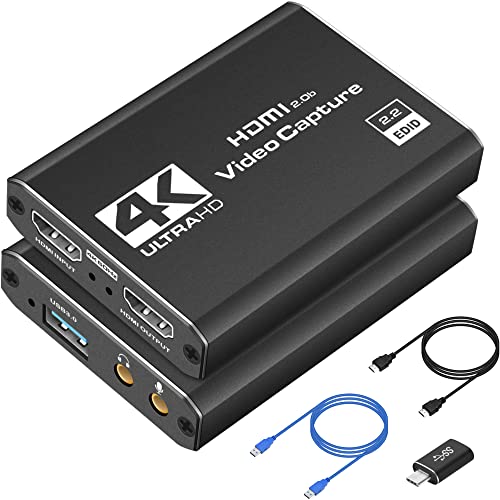 DCYFOL Capture Card 4K HDMI Video Streaming to USB 3.0 1080P…
View on Amazon ↗
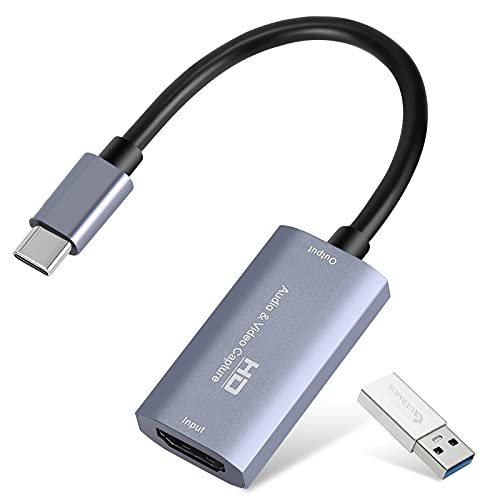 GUERMOK Guermok Video Capture Card, 4K USB3.0 HDMI to USB C,…
View on Amazon ↗
Listing names and images come from Amazon and are rechecked against the live listings; last checked Nov 8, 2026. No prices shown; the current price is on the listing.
How to read this guide. This guide draws on general knowledge of how streaming cards, subscription credit, and gift card terms work across the category. It cannot verify the redemption rules, region, or expiry terms printed on a specific listing, so check those details with the seller before you buy.