Fit decides everything with slip on sneakers. First check the toe box width and midfoot hold, since there are no laces to fix a loose or tight spot. Then match the sole to your day: a firm, supportive sole for long standing shifts, or a soft, flexible one for light city walking. Flat feet usually need arch support, so skip slip ons unless the footbed is removable. The main tradeoff is easy entry versus a secure fit.
Why Fit Beats Style
A slip on has no laces to correct a bad fit. If the toe box is too narrow, your toes crowd and blister. If the midfoot is too loose, your heel lifts with every step. Check the product photos for the toe shape: a rounded or square toe gives more room than a pointed one.
Wide feet need a wider last. Many slip ons come in a standard medium width, so look for listings that say wide or extra wide. If the listing does not state width, check the size chart. Some brands run narrow, so compare the footbed length and width to a shoe you already own.
Sole Support for Long Standing Shifts
Long shifts on hard floors punish soft soles. A firm, supportive midsole keeps your arch from collapsing and your heel from aching. Look for a removable footbed with arch support, or a sole that does not flex easily in the middle. A shoe that bends at the ball of the foot is fine; one that bends in the middle is not.
Flat feet need that support even for short walks. Without it, the foot rolls inward and the knee follows. If you have flat feet, skip slip ons with a flat, thin footbed. Choose one with a contoured insole or enough depth to add your own orthotic.
The Closure That Holds Your Foot
| Closure style | Entry ease | Midfoot hold | Best for |
|---|---|---|---|
| Elastic side gores | Fastest | Moderate | Quick errands, normal width |
| Sock style knit | Fast | Snug but slips on narrow heels | City walking, average feet |
| Strap or buckle | Slower | Adjustable and firm | Wide or narrow feet, all day wear |
| Hidden laces | Moderate | Adjustable | Travel, mixed walking |
Hidden laces look like a slip on but let you adjust the fit. They solve the main problem: a shoe you can slip on but still tighten. Check the listing for a photo of the tongue, since hidden laces hide under a flap.
Materials That Breathe or Hold Heat
Knit uppers breathe and stretch, which helps wide feet. The downside is they stretch out and lose their grip after a few months. Canvas holds its shape and costs less, but it traps heat and has no give. Leather looks sharper and lasts longer, but it needs a break in period and costs more.
For long shifts in a warm room, breathability matters. A knit or mesh upper keeps feet drier than canvas or leather. If you walk in the rain, a water resistant upper helps, but it also blocks airflow. Match the material to your main use, not to the photo.
Mistakes That Send Slip Ons Back
Buying your regular size without checking the width is the most common mistake. Slip ons fit tighter than lace ups because the upper cannot open. If you are between sizes, go up half a size, especially if you have wide feet.
Another mistake is ignoring the heel counter. A soft heel counter lets your foot slide out when you walk fast. Squeeze the heel in the photo or check the description for a firm heel cup. If the listing does not say, ask the seller.
Assuming all slip ons are for casual wear is a third mistake. Some have a firm sole and a contoured footbed, which works for a long shift. Others are thin and flat, made only for short errands. Read the sole description, not just the style.
What to Check in a Listing
The listing should state the width, the footbed type, and the upper material. If it does not, ask the seller for the footbed length and width in your size. Compare that to a shoe you own. Check the return policy: a slip on that slips off your heel cannot be fixed with an insole.
Look at the side profile photo. A deep heel cup and a firm sole plate suggest support. A flat, one piece sole suggests a fashion shoe. For long standing, look for a removable insole so you can add your own orthotic.
The weight matters less than the sole density. A heavy shoe is not automatically supportive, and a light shoe is not automatically flimsy. Check the midsole material: EVA is light and soft, polyurethane is firmer and lasts longer.
Care and Long Term Costs
Slip ons wear out faster than lace ups because the elastic stretches and the heel breaks down. Expect to replace a daily pair every six to twelve months. Rotate two pairs to extend the life. Clean knit uppers with a soft brush and mild soap; canvas can go in the wash on cold.
The sole is the first thing to go. If you stand all day, a compressed sole loses its support even if the upper looks new. Press the sole with your thumb in the store or after delivery. If it feels flat, it is time to replace the shoe.
Who Should Skip Slip Ons
If you have a very high arch or severe overpronation, skip slip ons. The lack of laces means you cannot lock the heel down, and the arch support is usually minimal. A lace up walking shoe or a supportive loafer with a strap is a better fit.
If you need a shoe for running or trail walking, skip slip ons. They lack the heel counter and midfoot security for uneven ground. For those uses, you want a shoe you can tighten.
Travelers who walk all day on cobblestones should also think twice. A slip on is easy at airport security, but a long day of walking needs more support than most slip ons provide. If you do take slip ons, choose one with a strap or hidden laces.
Slip On Fit Questions, Answered
Is slip on sneakers good for flat feet?
Most slip ons have a flat, thin footbed, which is bad for flat feet. Look for a model with a contoured, removable insole or enough depth to add your own orthotic. A firm sole that does not flex in the middle also helps. If the listing does not show the footbed, skip it.
What is the best slip on sneaker for long standing shifts?
A slip on with a firm, supportive midsole and a removable footbed. The sole should not flex easily in the middle. A strap or buckle closure helps keep the foot from sliding forward. Avoid soft, sock style knits for long shifts, since they lack support.
How to choose slip on sneakers for wide feet?
First, check the width: look for wide or extra wide in the size chart. Avoid pointed toes; choose a rounded or square toe box. A stretchy knit upper can accommodate width, but it stretches out. A strap closure lets you adjust the fit. If unsure, order a half size up.
Can you wear slip on sneakers for city walking?
Yes, for short to moderate walks on pavement. Choose a knit or mesh upper for breathability and a sole with some cushioning. For all day walking, look for a firmer sole and a secure heel. Avoid thin, flat soles meant for fashion.
Is it worth buying expensive slip on sneakers?
It depends on the sole and upper quality. A premium slip on often has a better footbed and a more durable elastic. But a budget pair can work if you only wear it for errands. For long standing, a firmer sole is worth the extra cost. Check the return policy.
The Right Slip On for Your Feet
A city walker with wide feet should buy a slip on with a wide toe box, a strap or hidden lace closure, and a removable footbed. That combination handles width, holds the midfoot, and lets you add arch support. For long standing shifts, choose a firmer sole and a contoured insole, even if it means a slower entry. If you travel light and only need airport convenience, a stretchy knit slip on with a soft sole is enough, but do not expect all day support.
Real slip on sneakers listings, so you can check the points in this guide against actual products. These are affiliate links: as an Amazon Associate we earn from qualifying purchases, at no extra cost to you.
 SKECHERS Skechers Women's Summits Hands-Free Slip-Ins – Memory Foam Insole, Heel…
View on Amazon ↗
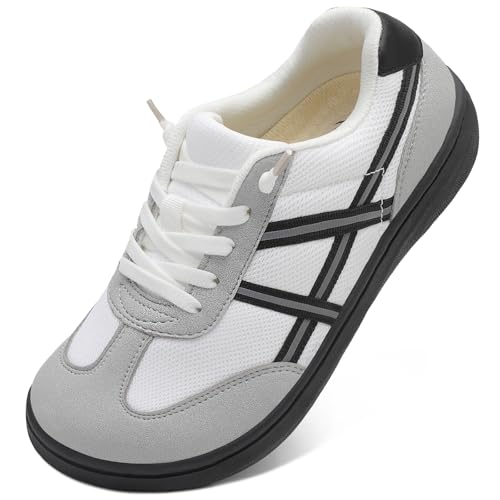 LEISFIT LeIsfIt Women's Barefoot Slip-On Sneakers Wide Width Walking Shoes White…
View on Amazon ↗
 SDYJQS SDYJQS Womens Wide Width Barefoot Shoes Zero Drop Sneakers Black…
View on Amazon ↗
Listing names and images come from Amazon and are rechecked against the live listings; last checked Nov 8, 2026. No prices shown; the current price is on the listing.
Scope and limits. This guide is written from general knowledge of how slip on sneakers are designed and how different foot shapes interact with them. It does not evaluate any specific listing, so check the width, footbed, and return policy on the product page before you buy.