A science fiction novel succeeds or fails on two decisions: the subgenre you actually enjoy and the balance between idea and character. Hard SF fans need rigorous science, while space opera readers want sweep and stakes. The main tradeoff is concept depth against emotional pull. Match the subgenre first, then check pacing and worldbuilding.
Match the Subgenre Before the Blurb
Science fiction is not one genre. A first contact novel, a cyberpunk thriller, and a generation ship saga deliver different pleasures. Read the first pages or the publisher's description for signals: technical detail means hard SF, political intrigue means space opera, noir tone means cyberpunk.
This is where most buyers go wrong. They pick a book because the cover looks futuristic, then find the science lectures boring or the action too thin. Check the subgenre label in the listing or on the back cover. If a book is marketed as hard SF, expect equations and engineering. If it is space opera, expect battles and empires.
The Idea to Character Balance
Some science fiction novels are about a clever premise: a time loop, a generation ship, a first contact. Others are about people under pressure, with the future as a backdrop. Decide which you want before you buy.
A concept driven novel spends pages on the rules of its world. A character driven novel spends pages on relationships and inner conflict. Neither is better, but a reader who wants emotional stakes will bounce off a novel that treats characters as vehicles for the idea. A reader who wants a puzzle will find a character study slow.
| Subgenre | Idea vs character | Typical pacing | Suits readers who |
|---|---|---|---|
| Hard SF | Ideas first | Slow, dense | Enjoy scientific rigor |
| Space opera | Balanced | Fast, episodic | Want adventure and scale |
| Cyberpunk | Characters first | Medium, noir | Like atmosphere and antiheroes |
| Literary SF | Characters first | Slow, interior | Prefer prose and mood |
| Military SF | Balanced | Fast, action | Want combat and tactics |
Use the table as a first filter. If you know you dislike slow, dense prose, hard SF and literary SF are riskier. If you want nonstop forward motion, space opera and military SF are safer.
Pacing Is a Promise the First Chapter Makes
A science fiction novel's pacing is set early. A slow burn spends chapters on worldbuilding before the plot moves. A fast plot opens with action or a mystery. Check the first chapter sample: count how many pages pass before something happens.
This matters more than the page count. A 500 page space opera can feel quick if every chapter ends on a cliffhanger. A 250 page hard SF novel can feel long if it stops for a physics lecture every ten pages.
Worldbuilding Depth Without the Infodump
Good science fiction makes a future feel lived in. Bad science fiction explains the future at you. Look for how the novel delivers its world: through action and dialogue, or through long passages of background.
A useful check is the first alien or future technology you meet. Does the character interact with it, or does the narrator stop the story to describe it? The first kind tends to pull you in. The second can feel like a textbook.
The Series Trap: Standalone, Trilogy, or Open Ended
Many science fiction novels are part of a series. Some are complete trilogies. Others are open ended and may never finish. Before you buy, check whether the story concludes in this volume.
A standalone gives you a full arc in one book. A trilogy promises resolution in three. An open ended series can leave you waiting years for the next installment. If you dislike cliffhangers, avoid the last kind unless the author has a record of finishing.
Writing Style: Transparent or Showy
Science fiction authors vary widely in prose. Some write clean, transparent sentences that disappear. Others write lush, stylized prose that calls attention to itself. Neither is wrong, but the wrong style can ruin a good story for you.
Read the sample. If you find yourself rereading sentences for pleasure, the style works for you. If you find yourself stumbling, the style is fighting you. This is a personal check, and it is the fastest way to predict whether you will finish the book.
Skip the Marketing Hype, Check the Opening
Science fiction listings are full of promises: 'mind bending', 'unforgettable', 'a modern classic'. None of these tell you what the book is actually like. The opening pages do.
Read the first chapter. Notice what the author spends time on. A novel that opens with a scientific briefing is signaling hard SF. A novel that opens with a chase is signaling action. The marketing may say one thing, but the prose will tell you the truth.
Questions to Ask Before You Pick Up a Science Fiction Novel
How do I know if a science fiction novel is too hard for me?
Check the first chapter for scientific jargon and technical explanations. If you need to reread paragraphs to follow the science, the novel is on the harder end. Hard SF suits readers who enjoy scientific rigor. If you prefer plot and character, look for space opera or adventure driven science fiction instead.
What is the difference between hard SF and space opera?
Hard SF prioritizes scientific accuracy and often explores the implications of a single idea. Space opera prioritizes adventure, politics, and large scale stakes, with science as a backdrop. Hard SF is often slower and denser. Space opera is faster and more character driven.
Can a science fiction novel be both idea driven and character driven?
Yes, but it is rare. Most novels lean one way. A balanced novel manages both, but one element usually dominates. Check reviews or the sample: if the first chapter focuses on a scientific problem, it is idea driven. If it focuses on a person's dilemma, it is character driven.
Is a longer science fiction novel always slower?
No. Pacing depends on scene structure, not page count. A 600 page space opera with short chapters and constant forward motion can feel fast. A 250 page hard SF novel with long expository passages can feel slow. Judge pacing by the first chapter, not the spine.
Which science fiction subgenre is best for a reader new to the genre?
Space opera is often the easiest entry point because it combines familiar adventure structures with futuristic settings. Military SF also works if you enjoy action. Hard SF is rewarding but demanding. Literary SF is better for readers who already enjoy literary fiction.
The Science Fiction Novel Choice That Fits Most Readers
A reader who wants a fast, adventurous story with big stakes should start with space opera. It balances ideas and characters, and it rarely demands a science background. A reader who wants a puzzle and enjoys scientific rigor should instead pick hard SF, where the idea itself is the engine. The wrong pick is a literary SF novel for someone who wants action, or a hard SF novel for someone who wants emotional stakes.
Real science fiction novel listings, so you can check the points in this guide against actual products. These are affiliate links: as an Amazon Associate we earn from qualifying purchases, at no extra cost to you.
 RATTZ ON THE PROWL: A Space Opera Science Fiction Novel…
View on Amazon ↗
 PRABHAT PRAKASHAN Triplanetary: Science fiction novel and space opera by American writer…
View on Amazon ↗
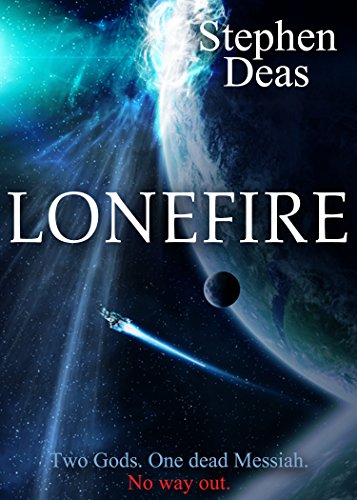 LONEFIRE a gripping cyberpunk space opera science fiction novel
View on Amazon ↗
Listing names and images come from Amazon and are rechecked against the live listings; last checked Nov 8, 2026. No prices shown; the current price is on the listing.
Scope and limits. Use this guide as a checklist to hold against any science fiction novel listing you are considering. It is written from general knowledge of the genre, not from a review of individual titles, so verify any specific claim about a book on the product page.