Two factors decide most robot vacuums: navigation quality and how you handle hair and dirt. LiDAR or camera mapping suits multiroom homes; gyro or random paths fit one or two open rooms. Pet households need tangle resistant brushes, while hard floors reward strong suction and low profile clearance. The main tradeoff is convenience against deep cleaning power.
What Your Floor Plan Asks For
Start with the rooms, not the robot. A studio or one bedroom with open sight lines works with a simple gyro or even random path model. The machine bumps around, but it eventually covers most of the floor.
A multiroom home, a split level, or a space with rugs and cables demands better navigation. LiDAR models build a map you can edit, so you send the robot to one room or keep it out of another. Camera mapping does the same with more light dependence; it can struggle in dark hallways.
Check the listing for mapping type. Words like 'LiDAR', 'laser navigation', 'visual SLAM', or 'camera mapping' signal stronger coverage. If the listing only says 'auto cleaning' or 'smart sensors', expect a bump and turn path.
Pet Hair and the Brush Problem
Pet households should look past suction numbers. The real question is how the brush handles hair. A bristle brush on a roller grabs hair but tangles fast. Rubber extractors or silicone fins resist tangles but may leave fine dust on hard floors.
Look for a listing that names the brush material. 'Tangle free', 'rubber roller', or 'silicone brush' tells you the design was made for hair. A plain 'main brush' often means bristles that need frequent cutting.
Also check the bin size. A small bin fills in one run with a heavy shedder. A larger bin or a self emptying base reduces how often you touch the machine.
- Rubber extractors: best for long pet hair, less deep pile agitation
- Bristle rollers: better on carpet, worse for tangles
- Dual brushes: mixed pickup, two places for hair to wrap
Hardwood and Rugs Need Different Settings
Hardwood floors reward suction and a gentle brush. A robot with adjustable suction can lower power on bare floors and raise it on rugs. Look for 'carpet boost' or 'automatic suction increase' in the listing.
If you have both hard floors and rugs, check the threshold climbing spec. A robot that clears 15 mm can hop onto a medium rug, but a thicker rug needs 18 to 20 mm clearance. The listing should state the maximum climb height.
Also consider the side brush. A single spinning side brush pulls debris from edges into the main path. On hard floors this makes a visible difference along baseboards.
Small Apartments and Stairs Change the Math
A small apartment does not need a top tier mapping robot. A compact gyro model with a small bin saves money and still covers a studio in under an hour. Check the robot's height: under 3 inches fits under most sofas and beds.
Staircases are the one place a robot vacuum cannot help. No robot climbs stairs. Buyers in split level homes either carry the robot between floors or buy a second unit for the other level. Some mapping robots store multiple floor maps, which makes carrying easier.
If you have stairs, also check cliff sensors. Almost all robots have them, but a few budget models lack enough sensors for a landing. The listing should mention 'cliff sensors' or 'drop protection'.
Reading a Listing Before You Buy
Skip the marketing phrases and look for four concrete specs: navigation type, brush material, bin capacity in milliliters, and battery life in minutes. If any of these is missing, ask the seller before buying.
Check the filter type. A HEPA or high efficiency filter matters for allergy sufferers. A washable filter saves long term cost. The listing should say whether the filter is washable or needs replacement.
Also verify the app and voice control claims. Some robots work only with a specific app, others with Alexa or Google Home. If you do not want another app, confirm the robot has physical buttons on top.
Finally, look at the charging and resume behavior. 'Recharge and resume' means the robot returns to the dock, charges, then finishes the job. Without this, a large home gets half cleaned.
Upkeep Costs Most Buyers Forget
A robot vacuum is not a one time purchase. Brushes, filters, and side brushes wear out. Check the listing for replacement part prices before you commit. A cheap robot with expensive filters costs more over two years than a midrange one with washable parts.
The bin is a daily or weekly task. A small 300 ml bin needs emptying after every run in a pet household. A 500 ml bin goes longer. Self emptying bases hold weeks of debris but add a recurring bag cost.
Sensors also need wiping. A robot with exposed LiDAR turret needs a dry cloth every week or two. Camera based robots need clean lenses. If the listing does not mention sensor cleaning, assume it is part of the routine.
When a Stick Vacuum Makes More Sense
A robot vacuum works best in homes where floors stay clear. If your floors have toys, shoes, or cables, the robot will get stuck or chew a cord. A cordless handheld vacuum gives you more control for cluttered spaces. See other floor cleaning comparisons for that tradeoff.
Robot vacuums also struggle with thick high pile carpet. The suction is usually lower than a corded upright. If you have wall to wall plush carpet, a traditional vacuum or a carpet cleaner is the better tool.
Homes with many thresholds or floor transitions can also frustrate a robot. A 2 cm threshold may stop a budget model. If your home has raised room dividers, check the climb height carefully or choose a manual vacuum.
Features That Matter Versus Marketing
Real features: navigation type, brush design, bin size, climb height, recharge and resume, filter quality, and app controls. These change how the robot cleans your specific home.
Marketing noise: 'AI cleaning', 'smart sensors', 'turbo mode', 'whisper quiet'. These words mean little without a number. Look for the spec behind the claim. 'AI cleaning' often just means object avoidance, which you can verify in the navigation section.
Mop attachments are another mixed feature. A robot with a wet mop pad can damp mop hard floors, but it will not scrub. If you need actual mopping, a dedicated floor cleaner like a steam mop for quick cleanups is more effective.
| Navigation type | Coverage | Upkeep | Best for |
|---|---|---|---|
| Random path | Patchy, misses spots | Low | One open room |
| Gyro mapping | Straight rows, decent | Low to medium | Studios, small apartments |
| Camera mapping | Room by room zoning | Medium | Multiroom, moderate budget |
| LiDAR mapping | Precise, editable map | Medium to high | Large homes, pet zones |
The Four Checks in Order
Rank the decisions by how much they change your daily result. Navigation comes first because it decides whether the robot actually reaches every room. A perfect brush in a robot that never finds the kitchen is useless.
Brush design is second. Pet hair or long human hair can stop a robot in a week if the brush tangles. Check the material before the suction number.
Upkeep is third. A robot you have to empty, clean, and unclog every day is one you will stop using. Self emptying bases or larger bins change the experience.
Price is last. Budget robots clean small open spaces fine. Premium robots earn their cost only in large, complex homes. Match the price tier to the floor plan, not to the feature list.
Robot Vacuum Questions Buyers Ask Before Checking Out
Is a robot vacuum worth it for a small apartment?
Yes, if the apartment is mostly open and clutter free. A budget gyro model covers a studio in under an hour and fits under low furniture. Skip it if your apartment has many cables, rugs with tassels, or raised thresholds that will stop the robot.
Which robot vacuum is best for pet hair?
Look for a rubber or silicone brush roller rather than a bristle brush. Rubber extractors resist tangles and pick up long hair from hard floors. Also check the bin size: a 500 ml or larger bin means fewer trips to empty it during shedding season.
Do robot vacuums work on hardwood floors?
Yes, and they are often better on hardwood than on thick carpet. Choose a model with adjustable suction so it can lower power on bare floors and raise it on area rugs. A side brush helps pull debris from baseboards and corners.
Can a robot vacuum clean stairs?
No robot vacuum can climb stairs. You either carry it between floors or buy a second unit. Some mapping robots can store multiple floor maps, which makes moving between levels easier, but the machine still needs a person to carry it.
How often do I need to replace robot vacuum parts?
Brushes typically last 6 to 12 months, filters 2 to 6 months, and side brushes 3 to 6 months depending on use. Check the listing for replacement part prices before buying. Washable filters lower long term cost compared to disposable ones.
Which Robot Vacuum Fits Your Home Right Now
For a pet household in a multiroom home, pick a LiDAR mapping robot with a rubber brush and a bin of at least 500 ml. That combination covers the whole floor, handles hair, and needs less emptying. If you live in a studio with hard floors and no pets, a compact gyro model with a washable filter cleans well for a fraction of the cost. The LiDAR robot is wrong for a cluttered one room space where a simple bump and turn machine finishes the job without extra sensors to maintain.
Real robot vacuum listings, so you can check the points in this guide against actual products. These are affiliate links: as an Amazon Associate we earn from qualifying purchases, at no extra cost to you.
 ROBOROCK roborock Robot Vacuum Mop with LiDAR, 10000Pa, Anti-Tangle, 7–9 Weeks…
View on Amazon ↗
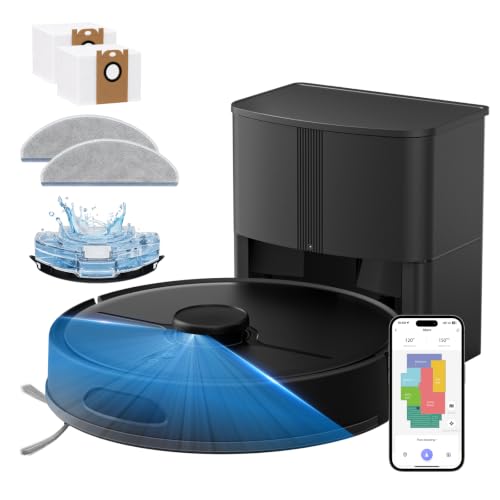 AZOMABOX Azomabox Robot Vacuum and Mop, 8000Pa, Up to 70-Day Self-Emptying…
View on Amazon ↗
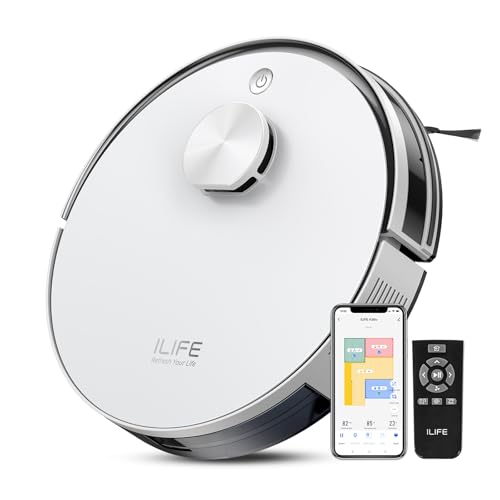 ILIFE ILIFE A30s Robot Vacuum, 10000Pa Max Suction, White | LiDAR…
View on Amazon ↗
Listing names and images come from Amazon and are rechecked against the live listings; last checked Nov 8, 2026. No prices shown; the current price is on the listing.
About this guide. Use this guide as a checklist to hold against any robot vacuum listing you open. It covers the product type in general, not individual models, and no product documents or reviews were consulted; confirm dimensions and climb height on the listing before buying.