Buy a picture disc for the artwork, not for the cleanest playback. The printed image layer sits closer to the groove than on standard vinyl, so expect more surface noise, especially in quiet passages. A clear outer edge and a flat, centered pressing matter more than the photo itself. If you need the best sound for a serious system, choose standard black vinyl or a heavy pressing instead.
The Art Layer Sits Under the Groove
On a standard record, black vinyl is pressed between two metal stampers. On a picture disc, a printed paper or film layer goes between a clear vinyl core and a thin clear outer layer. The grooves are stamped into that clear outer layer, directly above the image.
That construction changes what you hear. The groove floor is thinner and less uniform than on solid vinyl, so the stylus picks up more hiss and rumble. Quiet songs and wide dynamic passages show it most. Loud rock or electronic tracks often mask it.
Compare the listing photos before you buy. Some pressings leave a clear outer ring with no art under the lead in groove. That design usually plays cleaner than a full face image that runs to the very edge. A closeup of the label area tells you which one you are looking at.
What Actually Matters on a Listing
Check two physical details: the center hole and the outer edge. A perfectly round, centered hole keeps the record from wobbling, which lowers pitch variation. A clean, even edge without burrs or thin spots helps the stylus track without jumping.
The weight of the pressing is a useful clue but not a guarantee. A heavier disc can sit flatter on the platter, yet thickness alone does not fix a noisy image layer. Look for a flat profile in side on photos and any mention of a heavy or 180 gram pressing.
The paper sleeve is part of the package. Picture discs often ship in a clear PVC or polyethylene sleeve so the art shows through. PVC can react with the vinyl over years and leave a cloudy film. A polyethylene or paper sleeve with a die cut window is safer for long term storage.
- A centered hole and flat profile matter more than disc weight.
- A clear outer ring usually means quieter lead in grooves.
- Avoid long term storage in raw PVC sleeves.
Art Placement Changes the Sound
| Art style | Noise level | Tracking risk | Suits |
|---|---|---|---|
| Clear edge, art center | Low to medium | Low | Regular listening on a midrange setup |
| Full face art | Medium to high | Medium | Display plus occasional spins |
| Shaped disc | High | High | Framed wall art or novelty gifts |
| Etched blank side | One side only | Medium | Fans who want art on both sides |
A shaped disc is the riskiest as a player. The stylus has to follow an uneven path, and the tonearm can swing wider on the cutout sections. Many turntables will play one, but the sound wavers and the needle wears faster.
An etched blank side is a different trade. Side A plays music, side B is a decorative etched surface with no grooves. You get art on both faces, but only half the music. Check which side carries the tracks before you assume it is a full album.
The Display Habit That Warps Discs
Leaning a picture disc against a wall or a shelf looks good for a few weeks. Over months, gravity and warmth let the vinyl slowly bend. A warped disc will not sit flat on the platter, and the stylus may skip on the raised spot.
Wall mounting has the same risk if the disc is not held flat. Use a frame with a rigid backing board, not just a single nail through the hole. The frame should support the entire disc, including the outer edge.
If you plan to play the disc, store it upright like any other record, in a sleeve, away from direct sun and heat vents. A picture disc on a windowsill can soften and warp even inside a frame.
Who Should Skip a Picture Disc
Listeners with a revealing turntable, a good cartridge, and a taste for acoustic music will hear the construction every time the volume drops. For them, a standard pressing or a high quality black vinyl reissue is the better buy. You can still frame the sleeve art without living with the surface noise.
Anyone expecting a picture disc to become a collectible investment should look at limited pressings instead. Most picture discs are mass produced and reissued often. The art is the point, not the rarity. For a deeper look at what makes a limited vinyl worth keeping, see limited vinyl worth keeping.
DJs and beat jugglers should also pass. The tracking is less secure under back cueing and scratching, and the noise floor fights with the mix. A standard pressing holds up better to repeated cue burns and slipmat work.
Sleeve and Storage Costs Add Up
The disc itself is usually priced like a standard single LP, but the hidden cost is the replacement sleeve. Many picture discs arrive in a clear plastic outer that scratches and hazes quickly. Buying a pack of poly lined paper sleeves with a die cut window is a small but real ongoing expense.
Frames and display hardware are another cost if you plan to hang the disc. A rigid frame with UV filtering glazing protects the art and keeps the vinyl flat, but it costs more than the record in many cases.
Cleaning a picture disc takes extra care. The clear outer layer is thinner than standard vinyl, and aggressive fluid or a stiff brush can cloud it. Use a soft carbon fiber brush and a gentle record cleaning solution, and always wipe along the grooves, never across them.
How to Read a Listing Before You Buy
Look for the pressing plant name or country of manufacture. Some plants are known for flatter, better centered picture discs, while others ship more warped copies. A listing that names the plant gives you a better clue than one that only says 'import'.
Ask the seller two questions: is the disc flat and centered, and what sleeve does it ship in. A seller who can answer both has actually handled the copy. A seller who only repeats the title has not.
Check the photos for the outer edge. A clear ring of vinyl around the art is a good sign. A photo that crops the edge or only shows the front art hides the detail that matters most for playback.
If you are buying for a first turntable in a small apartment, a picture disc can still work as a fun centerpiece, but pair it with a forgiving cartridge. For more on starting a vinyl collection in a tight space, see vinyl records for apartment listeners.
Picture Disc Questions Buyers Ask Before Clicking Buy
Do picture discs sound worse than normal vinyl?
Yes, usually. The printed layer sits directly under the grooves, and the clear outer vinyl is thinner than a solid pressing. That adds surface noise, especially in quiet parts. Some designs with a clear outer ring and a heavy pressing come closer to standard sound, but none match a clean black vinyl copy.
Can I frame a picture disc and still play it?
Only if the frame holds the disc perfectly flat with a rigid backing. Leaning it or hanging it on a single nail lets the vinyl warp over time. Even in a good frame, heat and sunlight can soften the disc. If you frame it, treat it as art first and expect some flattening or warping if you later try to play it.
What is a shaped picture disc?
A shaped disc is cut into a nonround outline, often a band logo, a character, or a symbol. The stylus has to track an uneven path, so playback is noisier and skipping is more likely. Most people buy shaped discs as wall art or gifts, not as a regular listening copy.
Is a picture disc worth more than a regular pressing?
Not automatically. Most picture discs are mass produced and reissued often, so they do not hold value like a limited or signed pressing. Some out of print titles rise in price, but that is driven by the title, not the picture format. Buy it for the art, not as an investment.
How do I clean a picture disc without ruining the art?
Use a soft carbon fiber brush and a gentle, alcohol free record cleaning fluid. Wipe along the grooves, never across them, and never scrub the surface. The clear outer layer is thinner than standard vinyl, so aggressive cleaning can cloud it or push dirt into the groove.
The Picture Disc Pick for a Collector Who Wants Both
A collector who wants the art on the wall and the music on the turntable should look for a full face picture disc with a clear outer ring and a heavy, flat pressing. That combination gives the boldest visual with the most forgiving playback. A buyer who only wants a display piece and never plans to spin it should choose a shaped disc or an etched blank side instead, framed under UV filtering glass to keep the colors from fading.
Real picture disc listings, so you can check the points in this guide against actual products. These are affiliate links: as an Amazon Associate we earn from qualifying purchases, at no extra cost to you.
 CAPITOL MUSIC GROUP Countdown To Extinction [LP Picture Disc][Explicit]
View on Amazon ↗
 DISNEY Songs From Aladdin [Picture Disc LP]
View on Amazon ↗
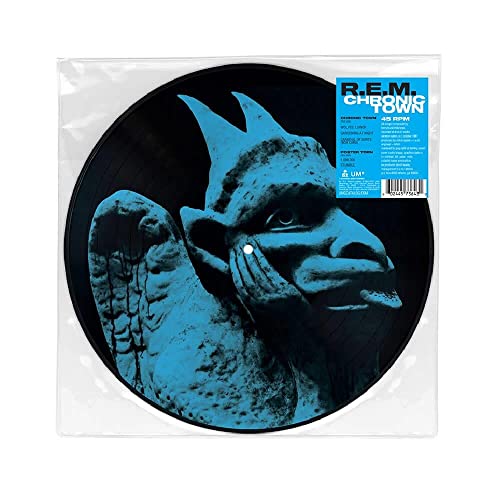 UNIVERSAL MUSIC GROUP Chronic Town[40th Anniversary Edition] [Picture Disc LP]
View on Amazon ↗
Listing names and images come from Amazon and are rechecked against the live listings; last checked Nov 8, 2026. No prices shown; the current price is on the listing.
How to read this guide. This guide covers the picture disc format as a whole, based on how the discs are made and what that means for playback and storage. It does not describe any individual release or compare specific titles, so check the pressing details on any listing before you buy.