The two factors that decide a collectors edition are the disc format and the extras. A vinyl box suits a listener who wants a ritual and a large sleeve. A CD or Blu-ray set suits someone who wants bonus tracks and a lower long term cost. The main tradeoff is between display appeal and actual play value. Check the pressing quality and the listed content before you commit, since many editions lean on packaging.
Match the Edition to How You Listen
Start with the format, because it changes the listening ritual. A vinyl box set rewards a seated session where you flip sides and study the sleeve. A CD or Blu-ray set fits a person who rips music once and then plays it in the car or on a computer.
Consider where the edition will live. A large vinyl box needs shelf depth and a flat storage position. A CD set fits in a standard jewel case tower. If you move often or have limited space, a compact set with a sturdy slipcase is easier to keep.
The extras should match your habit. A hardcover book with session photos matters if you read liner notes. A replica backstage pass or a poster matters if you frame items. If the extras would stay in the box, the premium over a standard release is harder to justify.
Read the Listing Like a Pressing Inspector
Check the source material before anything else. A set mastered from the original tapes usually sounds fuller than one cut from a digital file. If the listing does not name the source or the cutting engineer, ask the seller before you pay.
Look for the pressing details that predict longevity. A vinyl set on 180 gram discs resists warping better than a thin pressing. A CD set that lists a remastering date and a dedicated engineer tends to have fewer clipping issues than an anonymous reissue.
Compare the track list against the standard release. Some editions add one unreleased demo and call it a vault set. Count the new songs, the alternate takes, and the live tracks. If the bonus content is under fifteen minutes, the edition may be mostly packaging.
- Ask whether the vinyl was cut from analog tape or a digital transfer.
- Confirm the number of discs and the total running time of new material.
- Check if the book is bound or stapled, since a glued spine can crack.
Which Extras Hold Value and Which Are Filler
Some extras age well. A well printed hardcover book, a signed lithograph, or a set of high resolution downloads has use after the first week. These items carry the edition even if the disc itself is a standard pressing.
Other extras are marketing. A slipmat, a sticker sheet, or a download card for a streaming service adds little. A numbered certificate means more when the run is under a few thousand copies and the number is printed on the sleeve, not on a separate card.
A box set with a documentary on a separate disc can justify a higher price if the footage is new. If the documentary is already on a streaming platform, the physical disc is redundant. Check the running time and the credits before treating it as a selling point.
Long Term Costs Beyond the Price Tag
Vinyl editions carry ongoing costs. You need an inner sleeve upgrade, a cleaning brush, and a flat shelf. A warped disc from a tight shrink wrap can cost more to fix than the set itself. Budget for a replacement outer sleeve if the box uses a flimsy jacket.
CD and Blu-ray sets are cheaper to maintain, but the packaging can fail. A digipak with a glued tray often cracks at the hinge. A box with a foam insert can shed particles onto the disc. Look for a set with a cloth bound spine or a plastic tray that snaps.
Replacement parts are rarely sold. If a set includes a custom turntable mat or a shaped USB drive, that item cannot be replaced if it fails. Treat those items as decorative, not as durable media. The disc itself should be a standard format you can play on any machine.
The Table That Sorts the Edition Types
| Edition type | Best for | Main risk | Long term cost |
|---|---|---|---|
| Vinyl box set | Ritual listeners, large artwork | Warping or noisy pressing | High: sleeves, storage, cleaning |
| CD deluxe set | Bonus tracks, car or computer use | Cracked digipak or lost disc | Low: standard jewel case repair |
| Blu-ray audio set | High resolution sound, surround mix | Limited player compatibility | Medium: needs a Blu-ray player |
| Art book edition | Readers, display collectors | Disc is an afterthought | Medium: book binding wears first |
A vinyl box set sits at the high end of the long term cost column because the medium demands care. A CD deluxe set is the most forgiving if you just want the music. The art book edition is the one to inspect twice, since the disc is often the same pressing as the standard release.
Use this table as a filter. If your main goal is sound quality, a Blu-ray audio set may beat a vinyl box that was cut from a compressed file. If your main goal is a shelf piece, the art book edition wins, but you should accept that the audio is secondary.
Mistakes That Leave You With a Sealed Box
The biggest mistake is buying for the hype and not for the habit. A limited color vinyl with a poster looks exciting in the store, but if you never play vinyl, it becomes a decoration you feel guilty about. Decide whether you want the music or the object before you order.
Another mistake is assuming every limited run is scarce. Some editions are numbered to 10,000 copies and stay in stock for years. Check the pressing quantity and the retailer's stock level before paying a premium. A 'limited' sticker without a number is often just a sticker.
Skipping the return window is a costly error. A warped vinyl disc or a cracked CD tray is easy to spot on arrival, but only if you open the box. If you wait months to play it, the seller may not accept a return. Open the set, inspect every disc, and play at least one side within the return period.
Who Should Skip the Collectors Edition
A person who streams all their music and never touches a disc should skip most editions. The same money buys a high quality digital download or a better pair of headphones. A collectors edition only pays off if you use the physical media.
A person who buys music as a gift for a casual fan should also be careful. A standard vinyl or CD is often a better present than a heavy box set, because the recipient can play it without worrying about the extras. If the gift is for a dedicated fan, check their existing collection to avoid a duplicate.
If you want the music but not the shelf weight, the broader CDs and vinyl department has standard releases and single disc options. A collectors edition is a commitment to storage and care, not just a bigger purchase.
The Checks to Make Before You Pay
First, confirm the disc count and the running time of the new material. A box set with four discs and ninety minutes of music is a poor value. A set with two discs and forty minutes of unreleased demos is a better one.
Second, ask about the pressing plant. A vinyl set pressed at a plant with a reputation for quality control is less likely to arrive warped or noisy. If the seller cannot name the plant, treat the pressing quality as unknown.
Third, compare the edition to the standard release. If the only difference is a colored sleeve and a poster, the premium should be small. If the set adds a full live concert and a hardcover book, the premium is easier to rationalize.
Fourth, check the difference between a limited vinyl worth keeping and a shelf filler. The same logic applies to any collectors edition: scarcity alone does not create value. The content and the pressing do.
Collectors Edition Questions Before You Order
Are collectors edition vinyl records worth more than standard pressings?
Not automatically. A numbered edition with a well mastered pressing and a small run can hold value. A colored vinyl with no number and a digital source often sells for less than a clean standard pressing later. Check the source, the plant, and the run size before treating it as an investment.
How do I know if a box set is actually limited?
Look for a printed number on the sleeve or the box, not a separate certificate. Ask for the total run size. A run of 500 is genuinely limited. A run of 10,000 is a marketing label. If the listing says 'limited' without a number, treat it as a standard edition with a sticker.
What should I check when a collectors edition arrives?
Open the box immediately. Check every disc for scratches, warps, or cracks. Play at least one track from each disc. Inspect the book or poster for binding tears or print errors. Take photos of any damage and contact the seller within the return window.
Do CD collectors editions sound better than standard CDs?
Only if they are remastered from a better source. Many deluxe editions use the same master as the standard CD and add a bonus disc. Check the liner notes for a remastering credit and a new transfer date. If those are absent, the sound will likely match the standard release.
Is a Blu-ray audio disc worth it for a music collection?
It can be, if you have a Blu-ray player and a surround system. The high resolution audio and the surround mix can beat a CD. But the disc will not play in a standard CD player. Confirm your equipment before choosing this format, since it is the least flexible of the three.
Which Collectors Edition Deserves Your Shelf Space
A listener who plays vinyl weekly and reads liner notes should get a vinyl box set with a numbered sleeve and a well documented pressing source. That format rewards the ritual and the artwork. A listener who mostly uses a CD player or rips files should skip the vinyl and get a CD deluxe set instead, since the bonus tracks and the lower storage cost fit the habit better.
Real collectors edition listings, so you can check the points in this guide against actual products. These are affiliate links: as an Amazon Associate we earn from qualifying purchases, at no extra cost to you.
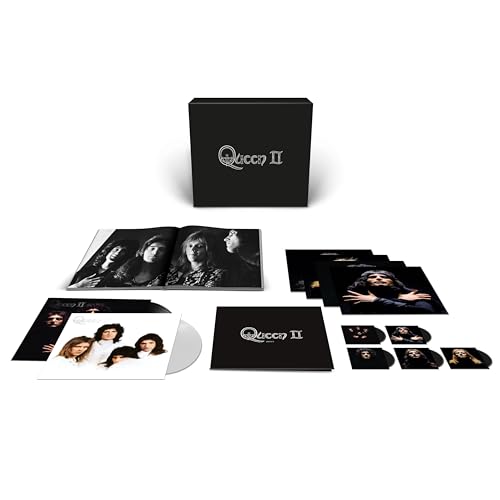 DISNEY Queen II[Collector's Edition] [5 CD/180g 2 LP Box Set]
View on Amazon ↗
 AVON BOOKS The Duke And I Deluxe Collector's Edition: Daphne's Story, The…
View on Amazon ↗
 VMP EXCLUSIVE The Story Of The Grateful Dead VMP Anthology Collectors Edition…
View on Amazon ↗
Listing names and images come from Amazon and are rechecked against the live listings; last checked Nov 8, 2026. No prices shown; the current price is on the listing.
What this guide is. This guide covers the collectors edition category as a whole, not any specific title or label. It is written from general knowledge of disc formats, packaging, and pressing practices, and you should verify the disc count, source, and run size on the product listing before buying.