The two decisions that matter most are whether your phone can power the adapter and which chipset it uses. Power decides stability, while the chipset decides compatibility with Android, iPhone, or a laptop. The main tradeoff is speed and reliability against portability: a wired link removes Wi-Fi lag but adds a cable and drains battery.
Power Decides Whether the Link Survives
A phone ethernet adapter pulls current from the phone's USB port. Most phones limit USB peripheral power to around 500 milliamps, while some adapters need more to keep a gigabit link active. If the adapter draws too much, the phone drops the connection or refuses to recognize the device.
Check the adapter's power rating against your phone's USB output. Adapters that support USB Power Delivery can pass through a charger, which keeps the phone charged while the ethernet chip runs. Without power delivery, expect the phone battery to drain faster during long downloads or video calls.
Some phones disable USB accessories when the screen locks to save power. Look for an adapter that stays active in standby or pair it with a phone setting that keeps USB peripherals awake. This matters for remote work setups that stay connected for hours.
The Chipset Sets Compatibility and Speed
The ethernet controller inside the adapter determines which phones recognize it without extra drivers. Common chipsets support Android's USB ethernet class natively, while iPhones need adapters built around Apple's Lightning or USB-C accessory rules. A chipset that needs a driver app will not work on a locked down work phone.
Speed ratings like 10/100 or gigabit matter less than compatibility for most phone tasks. A 100 megabit link is already faster than most hotel Wi-Fi, but a gigabit chipset often handles power management better. Compare the chipset listed in the product description, not just the speed on the box.
If you switch between a phone and a laptop, pick a chipset supported by both operating systems. Some adapters advertise plug and play on Windows but fail on Android or iPadOS. Ask the seller for the exact chipset model if the listing does not name it.
Connector Fit Includes Your Case and Port
USB-C is the most common phone port, but not every USB-C phone supports ethernet. Older phones with micro USB or proprietary ports need an adapter chain that adds lag and failure points. Lightning adapters work on iPhones but often cap speeds below gigabit.
A thick phone case can block a straight USB-C plug. Look for an adapter with a slim housing or a short flexible cable between the phone and the ethernet jack. A rigid adapter that sticks out of the phone risks breaking the port if the cable gets tugged.
USB A adapters plug into a computer or a USB hub, not a phone directly. They are useful for older phones through an OTG cable, but that setup is fragile. If you plan to use the adapter only with a phone, buy a native USB-C or Lightning model.
Compare Listings by What They Omit
A listing that skips the chipset, power draw, or supported phone list is hiding the three facts you need. Look for a table that names Android versions, iPhone models, or iPadOS support. If the listing only says 'works with most phones,' ask the seller for your exact model before buying.
Check whether the adapter includes a power delivery port or a separate power cable. Some listings show a USB-C port for charging but do not state the wattage it passes through. A pass through port rated below your charger's output will slow charging while the ethernet link is active.
- Chipset name and driver requirements
- Power draw in milliamps or watts
- Supported phone models and OS versions
- Pass through charging wattage
- Length of any built in cable
Marketing Claims That Mislead
The phrase 'gigabit ethernet' on a phone adapter often means the chipset supports gigabit on a laptop, but the phone's USB port limits it to 100 megabit or less. Check the phone's USB speed class before paying more for a gigabit adapter.
Claims about 'low latency gaming' ignore the phone's own processing and network path. A wired link removes Wi-Fi interference, but it cannot fix a slow VPN or a congested hotel network. Treat latency claims as a sign of a wired connection, not a guaranteed improvement.
Adapters marketed as 'driver free' may still need a system update or a specific USB mode. Some Android phones require you to enable ethernet in developer settings. Verify the setup steps in the listing or ask the seller for a video.
Who Should Skip a Phone Ethernet Adapter
If you only use your phone on fast home Wi-Fi and never transfer large files, a wired adapter adds a cable without much benefit. A good Wi-Fi 6 router often matches the real world speed of a phone ethernet link.
Digital nomads who work from cafes and coworking spaces may find the adapter useless when no ethernet port exists. In those settings, a travel router or a mobile hotspot gives more flexibility. Check the battery capacity that decides your mobile hotspot if you need a portable network instead.
Students in dorms with strict network logins may hit a wall: many campus networks require a browser login that the phone's ethernet stack cannot complete. Ask your IT desk if wired phone connections are allowed before buying.
Remote Work and Business Travel Use Cases
Remote workers who join video calls from hotel rooms benefit most from a wired link. Hotel Wi-Fi often drops during peak hours, and an ethernet cable bypasses that congestion. Pair the adapter with a short cable and a USB-C power pass through to keep the phone charged through a full workday.
Business travelers who carry a work phone and a laptop can use one adapter for both, if the chipset supports both systems. This saves bag space but check that the adapter does not require a driver install on the laptop, which corporate security may block.
Older phones with weak Wi-Fi radios get a second life from an ethernet adapter. If the phone has a USB-C or micro USB port with OTG support, a wired connection can be faster than its aging Wi-Fi chip. Look for an adapter that lists your phone's exact model as supported.
Table: Adapter Styles by What You Give Up
| Adapter Style | Power Needs | Phone Fit | Best For |
|---|---|---|---|
| USB-C with power delivery | Higher, needs PD charger | USB-C phones, slim cases | Long remote work sessions |
| USB-C without power delivery | Low, phone battery drains | USB-C phones, travel light | Short hotel stays |
| Lightning adapter | Low, iPhone limited | IPhones with Lightning | Occasional wired use |
| USB A with OTG cable | Low, fragile chain | Older micro USB phones | Testing a wired link |
A USB-C adapter with power delivery is the safest default for a modern phone used daily. A Lightning adapter works but locks you into Apple's accessory rules and often slower speeds.
Mistakes That Kill the Connection
Buying an adapter with a rigid USB-C plug and then using a thick case is the most common physical mistake. The plug does not seat fully, and the phone shows 'charging' but no ethernet. Measure the gap between your case and the port before buying.
Using a long, unshielded ethernet cable can cause drops even with a good adapter. Keep the cable under 10 feet for stable gigabit links, or use a shielded cable in noisy environments like server rooms.
Forgetting to disable Wi-Fi while the ethernet adapter is plugged in can confuse the phone. Some phones prefer Wi-Fi even when ethernet is active, so turn off Wi-Fi in settings to force the wired path.
Phone Ethernet Adapter Questions Before You Buy
Is a phone ethernet adapter worth it for gaming?
Only if you play competitive mobile games on a network with unstable Wi-Fi. A wired link eliminates wireless interference and can reduce ping spikes, but it cannot lower latency below what your internet plan provides. For casual gaming on a stable router, a Wi-Fi 6 connection is usually just as good and less hassle.
How do I know if my phone supports ethernet?
Check your phone's USB specification. Most Android phones with USB-C support USB ethernet class, but some budget models disable it. IPhones need a Lightning or USB-C adapter made for iOS. Search your phone model plus 'USB ethernet' in the manufacturer's support pages, or ask the adapter seller for a compatibility list before buying.
What is the difference between a phone ethernet adapter and a USB ethernet adapter?
They use the same core chip, but a phone ethernet adapter is built to work within a phone's power limits and connector. A USB ethernet adapter for laptops may draw too much current or need a driver that a phone cannot install. Look for one that lists phone models and includes power delivery if you plan to use it daily.
Can I use a phone ethernet adapter on an iPhone?
Yes, with the right connector. IPhones with Lightning need a Lightning ethernet adapter, which Apple supports natively. IPhones with USB-C can use many USB-C ethernet adapters, but check that the chipset is listed as iOS compatible. Avoid adapters that require a driver app, because iOS will not install it.
Which phone ethernet adapter works with a tablet?
Most tablets with USB-C and Android or iPadOS support the same ethernet chipsets as phones. Check the tablet's USB power output, because a large tablet may supply more current than a phone and handle a higher power adapter. For iPads with Lightning, use the same Lightning ethernet adapters made for iPhones.
A Wired Phone Link for Your Work Setup
Someone who works from hotel rooms and joins video calls on a USB-C Android phone should start with a USB-C adapter that supports power delivery and a named Android compatible chipset. Pair it with a short shielded cable and a 30 watt USB-C charger. If you carry an iPhone with a Lightning port, switch to a Lightning ethernet adapter and accept slower speeds and no pass through charging.
Real phone ethernet adapter listings, so you can check the points in this guide against actual products. These are affiliate links: as an Amazon Associate we earn from qualifying purchases, at no extra cost to you.
 UGREEN UGREEN USB C to Ethernet Adapter, Plug and Play 1Gbps…
View on Amazon ↗
 1STCHAMP 1STCHAMP MFi Certified iPhone 18 Pro Du 2 in 1…
View on Amazon ↗
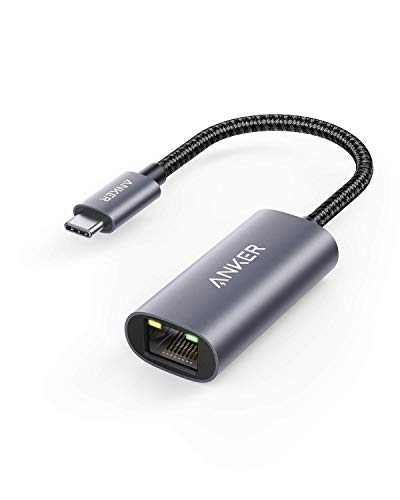 ANKER Anker USB C to Ethernet Adapter, Portable 1 Gbps Network…
View on Amazon ↗
Listing names and images come from Amazon and are rechecked against the live listings; last checked Nov 8, 2026. No prices shown; the current price is on the listing.
How to read this guide. Use this guide as a checklist to hold against any phone ethernet adapter listing you open. It explains the category from general knowledge, not from testing individual models, so verify each dimension on the product page before you buy.