Three factors decide a lightweight stroller: folded size, wheel type, and seat recline. City walkers on smooth pavement can pick the lightest, smallest fold. Parents who use transit or cobblestones should trade some lightness for bigger wheels and a deeper recline. The main tradeoff is simple: less weight usually means a bumpier ride and fewer newborn features.
Folded Size Is the First Cut
A stroller that folds small solves more daily problems than any other feature. It fits a small car boot, slides beside a cafe table, and stands in a narrow hallway. Before you compare wheels or recline, measure the space where you will store it and the trunk you will lift it into.
Many listings give the folded dimensions in inches. Fold it in your mind: a one piece fold with a carry strap helps on stairs, while a two hand fold with separate parts gets annoying at a bus stop. Check whether it stands on its own when folded, because that matters when you need both hands for a baby.
For air travel, the folded size decides whether it can go in the overhead bin or must be gate checked. Gate checking adds a wait at the jet bridge and a risk of damage. A stroller that folds to cabin bag size changes how you board a plane.
Wheels Decide Where It Feels Light
Small hard plastic wheels are the main reason a lightweight stroller stays light. They roll easily on smooth mall floors and dry pavement. On cobblestones, gravel, or cracked sidewalks, those same wheels transfer every bump straight into the handlebar and the seat.
Larger wheels with a soft tread and simple suspension absorb more. They add weight and folded bulk, so the tradeoff is direct. If your usual route includes a park path or old city streets, bigger wheels will matter more than saving a pound or two.
Wheel locks matter on transit. A single center brake is easy to tap with your foot, but two rear wheel locks hold better on a moving bus or train. Front wheels that swivel make tight turns in a grocery aisle easier, while a lockable front wheel helps on straight gravel paths.
Seat Recline Sets the Lower Age Limit
A seat that reclines nearly flat opens the stroller to newborns. A seat that stays upright is fine for a baby who can sit unassisted, usually around six months. This single feature explains many price differences inside the lightweight category.
Check the recline mechanism before buying. A strap with multiple positions gives more control than a simple two position catch. A deep recline also helps a toddler nap on a long walk, even if you no longer need it for a newborn.
Padding changes with recline. Flat recline seats often have thinner padding to keep the fold small. Upright seats can carry more cushioning without affecting the fold as much. If you plan long walks, test the seat depth and leg rest angle.
What the Listing Will Not Tell You
Weight is often listed for the frame only, without the canopy, basket, or seat fabric. Two strollers can both say 13 pounds and feel different to lift. Ask the seller for the weight with everything attached, or check the manual if it is online.
Folded dimensions sometimes describe the frame with the wheels removed. That makes the number look smaller than reality. A quick question to the seller can confirm whether the quoted size is the true ready to carry size.
Canopy coverage is easy to overstate. Look for a photo of the canopy fully extended over the seat, not just a side view. A short canopy leaves a baby in direct sun by late afternoon, when the sun sits low.
A Basket and a Strap Change Daily Life
A small underseat basket is the first feature parents miss. A diaper bag, a grocery bag, and a jacket can overload it. Some lightweight strollers trade basket capacity for a smaller fold, so decide which one you will actually use each day.
A carry strap turns a folded stroller into a shoulder bag. That matters for subway stairs and apartment walkups. A stroller without a strap must be carried in both hands, which leaves no hand for a baby or a coffee.
A one hand fold is useful but not magical. Test whether the latch releases without bending down too far. Some one hand folds still need a second hand to click the lock into place.
When a Lightweight Stroller Is the Wrong Tool
A newborn who will spend hours sleeping in the stroller needs a deeper recline and better suspension than most lightweight models offer. A full size stroller with a bassinet or a travel system often works better for the first months.
Runners and trail walkers should skip this category. Lightweight strollers are not built for jogging or rough terrain, and the small wheels can catch on roots and curbs. A jogging stroller with large air tires is a different product.
Families who walk everywhere and carry a lot of shopping may prefer a mid size stroller with a bigger basket and a smoother push. The weight savings of a lightweight model disappear when you hang bags from the handlebar, which can tip the frame.
The Marketing Words That Hide Real Differences
One hand fold is a real feature, but some brands use it to mean the fold starts with one hand and finishes with two. Watch a video of the fold if the listing has one, or ask the seller how many steps it takes from standing to locked.
All terrain on a lightweight stroller usually means slightly textured plastic wheels, not actual off road ability. True all terrain requires large air filled tires and a suspension system, which adds several pounds.
Newborn ready can mean a flat recline or just a slightly reclined seat with a head hugger. Check the exact recline angle and whether the seat is approved for a baby under six months without an insert.
Comparing the Three Main Designs
Lightweight strollers split into three rough groups. The table below shows how each one handles the daily tradeoffs, so you can match a design to your usual route instead of to the marketing photos.
| Design | Folded size | Ride quality | Newborn fit | Best for |
|---|---|---|---|---|
| Travel stroller | Smallest, overhead bin | Firmest, small wheels | Rare, shallow recline | Air travel, quick errands |
| City stroller | Mid, one hand fold | Softer, mid wheels | Some, deep recline | Daily walks, transit |
| Comfort stroller | Largest of the three | Smoothest, big wheels | Often, near flat | Long walks, uneven paths |
A travel stroller is the easiest to carry but the least comfortable for a long nap. A comfort stroller gives the smoothest ride but may not fit a small trunk. The city stroller sits in the middle and covers the most ordinary days.
Lightweight Stroller Questions Worth Asking
Is a lightweight stroller safe for a newborn?
Only if the seat reclines nearly flat and the stroller is approved for use from birth. Many lightweight strollers have a shallow recline that suits babies from around six months. Check the exact recline angle and whether an infant insert is required. Without a flat surface, a newborn's head can fall forward and restrict breathing.
Which lightweight stroller folds the smallest?
Travel strollers fold the smallest, often to the size of a cabin bag. They achieve this with small wheels, a thin seat, and a simple frame. Compare the folded dimensions in the listing, but ask whether the wheels are attached in that measurement. A city stroller folds larger but still fits most car trunks.
Can a lightweight stroller go on cobblestones?
It can, but a model with small hard wheels will shake badly and may feel unstable. Look for larger wheels with a soft tread and some suspension. Even then, a lightweight stroller will not match a full size or jogging stroller on rough ground. If cobblestones are a daily route, choose the heaviest lightweight model you can carry.
Is a lightweight stroller worth it for air travel?
Yes, if you fly more than once or twice a year. A stroller that folds to cabin bag size can go in the overhead bin and avoid gate check damage. It also frees your hands through security. If you fly rarely, a compact city stroller may be enough and will ride better at home.
What should I check on the listing before buying?
Check the folded dimensions with wheels on, the weight with the seat and canopy attached, the seat recline angle, and the wheel diameter. Ask the seller whether the stroller stands when folded and how the brake works. A video of the fold is more useful than the written description.
The Lightweight Stroller Pick for Your Usual Route
A parent who walks city sidewalks daily and uses a car or bus should start with a city stroller. It folds small enough for a trunk, rides softer than a travel stroller, and often reclines for a tired toddler. For frequent flyers who need an overhead bin fit, a travel stroller is the better call. For long park walks on rough paths, step up to a comfort stroller and accept the extra weight.
Real lightweight stroller listings, so you can check the points in this guide against actual products. These are affiliate links: as an Amazon Associate we earn from qualifying purchases, at no extra cost to you.
 THULE Thule Spring Stroller | Spring Lightweight City Stroller with Compact…
View on Amazon ↗
 GRACO Graco Ready2Jet Lightweight Compact Travel Stroller, Kingston | Ultra-Lightweight (13.2lb.),…
View on Amazon ↗
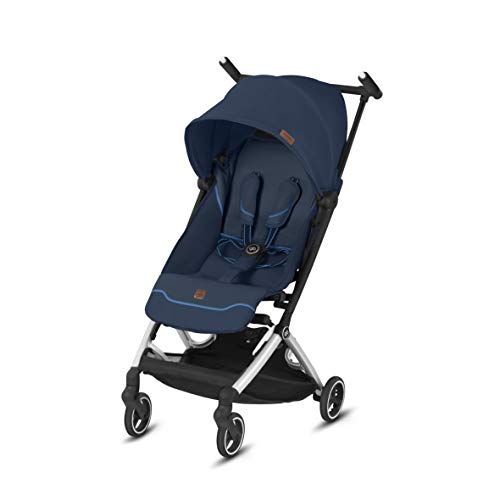 GB gb Pockit+ All City, Ultra Compact Lightweight Travel Stroller with…
View on Amazon ↗
Listing names and images come from Amazon and are rechecked against the live listings; last checked Nov 8, 2026. No prices shown; the current price is on the listing.
About this guide. This guide compares lightweight stroller types by their design tradeoffs, not individual models. It is written from general product knowledge and does not use product documents, reviews, or tests, so check any dimension on the listing before buying.