Two things separate a good baby white noise machine from a bad one: the kind of sound it makes and how precisely you can control its volume and placement. Cheap novelty sounds stop helping, and a machine that is too loud or too close can harm little ears. A continuous, nonlooping sound with an accurate volume dial, placed at least seven feet from the crib, is the safest starting point.
Sound Type Decides Whether the Machine Helps
A white noise machine works by masking sudden sounds that can startle a baby awake. The most useful sound is continuous and steady, like a fan, static, or rain. A looping recording with a noticeable seam can pull a light sleeper out of drowsiness each time it restarts.
Machines that produce sound mechanically, with a small fan inside, create a natural, nonlooping hum. Digital machines can also produce good steady noise, but check that the sound loops smoothly. A one hour loop is not a dealbreaker if the seam is inaudible, but a short, obvious loop is frustrating.
Nature sounds and lullabies are fun extras, but they are not white noise. A bird chirp or a soft melody can become a stimulating distraction at 2 a.m. One good white noise sound is worth more than ten mediocre options.
If the machine has a heartbeat or shushing setting, use it only for short periods. A baby does not need a heartbeat sound all night, and some babies become dependent on a sound that is hard to reproduce in a hotel room.
Volume and Distance Matter More Than the Brand
The American Academy of Pediatrics recommends keeping sound at or below 50 decibels at the crib. To check this without a meter, place the machine at least seven feet from the crib, point the speaker away from the baby, and set the volume so you can just hear it over normal household noise.
Many machines are louder than they seem. A machine that sounds fine across the room can be too loud when placed on a nightstand next to a bassinet. Distance is the simplest volume control you have.
A machine with a physical volume dial is easier to adjust in the dark than one with tap through app settings. If the lowest setting is still too loud for a newborn, the machine is not a good fit.
Do not put the machine on the crib rail or on a shelf directly above the crib. Both positions bring the sound too close, and a corded machine can be pulled down.
Power Source and Portability
A machine that plugs into the wall is the most reliable for overnight use at home. A battery only machine can die at 3 a.m., leaving silence that wakes the baby. A USB powered machine with a power bank is a good compromise for travel, but check that it can run all night on a full charge.
For overnight trips, a small, lightweight machine that runs on a USB power bank is the most flexible choice. A machine that weighs under a pound and fits in a diaper bag is easier to pack than a bulky plug in unit.
If you plan to use the machine for naps in a stroller or car, look for a rechargeable model with a clip or strap. A machine that only works when plugged into a wall is less useful for apartment living if you move between rooms.
Reading a Listing Before You Buy
Check the sound type. The listing should say whether the machine produces sound mechanically or digitally, and whether the white noise loops. If the listing does not mention looping, assume the sound is a digital loop and check the length.
Check the volume range. Some machines list a decibel range, but many do not. If the range is not listed, look for a machine with a physical volume dial and a low setting that is described as quiet enough for a newborn.
Check the power source. A machine that runs only on batteries is a poor choice for overnight sleep. A machine that runs on USB power but has no wall adapter is fine if you already have a spare phone charger.
Check the timer options. A machine that shuts off after 30 or 60 minutes is fine for naps, but for overnight sleep you want a continuous mode or a timer that can be disabled.
Ask the seller about the loop length if it is not listed. A short, obvious loop is a common reason a machine ends up in a closet.
| Design type | Sound quality | Volume control | Best for |
|---|---|---|---|
| Mechanical fan | Continuous, nonlooping | Dial, limited range | Overnight home use |
| Digital with dial | Looping, check seam | Dial, wide range | Home and travel |
| Digital with app | Looping, many sounds | App or buttons | Parents who want presets |
| Travel clip on | Looping, small speaker | Buttons, limited | Naps on the go |
A mechanical machine has the simplest sound but few features. A digital machine with a dial offers more sounds without relying on a phone. A travel clip on is convenient but rarely has the volume range of a full size machine.
The Mistake of Buying Features Instead of Sleep
A common mistake is choosing a machine with the most sounds, timers, and lights, then finding that none of the settings stay put. A machine that resets to a loud default every time it is unplugged is worse than a simple one with a dial.
Another mistake is placing the machine too close. Parents often put the machine next to the bassinet because the baby seems to sleep better, but a machine at close range can expose the baby to more than 50 decibels.
Buying a machine without a continuous mode is a mistake for overnight use. A 30 minute timer is fine for a nap, but if the machine shuts off at midnight, the baby may wake.
Buying a machine with a bright display or a bright night light can backfire. A blue or white LED can keep a baby alert. If the machine has a light, it should be dim and warm, or possible to turn off completely.
A Night Light Is a Separate Decision
Some machines include a night light, but a separate dim lamp often works better. A machine with a built in light can be convenient for middle of the night feedings, but the light is rarely dim enough or warm enough for a sleeping baby.
If you want a night light, choose one with a warm, dim glow and a separate switch. A machine that ties the light to the sound means you cannot turn off the light without also turning off the noise.
A red or orange light is less disruptive to sleep than a white or blue light. If the machine's light is not adjustable, cover it with a small piece of tape.
Apartment Living and First Time Parents
In an apartment, a white noise machine also masks the sound of neighbors, plumbing, and hallway doors. A machine with a deeper, lower frequency sound works better for this than a high pitched hiss.
First time parents often do not know how loud a machine should be. A good rule of thumb is that you should be able to have a quiet conversation next to the crib without raising your voice.
For a small bedroom, a machine with a small footprint and a cord that can be routed away from the crib is easier to place. A machine with a clip can be attached to a curtain rod or a shelf, but keep it at least seven feet from the baby.
Care and Long Term Costs
A mechanical machine can collect dust inside the fan, which changes the sound over time. A quick vacuum of the intake vents every few months keeps the sound steady.
A digital machine with a rechargeable battery will eventually need a new battery. A machine with a user replaceable battery is easier to keep long term than one with a sealed battery.
Most machines need no consumables, but a machine with a replaceable filter or a washable cover is easier to keep clean. A machine that cannot be opened for cleaning may start to smell after a year in a dusty nursery.
A machine that runs on disposable batteries is the most expensive long term. Rechargeable batteries or a wall adapter pay for themselves within the first few months.
Baby White Noise Machine Questions That Come Up at 3 A.M.
Is white noise safe for a newborn?
Yes, if the volume is kept at or below 50 decibels at the crib and the machine is at least seven feet away. The sound should be continuous, not a recording that loops with an obvious seam. Avoid placing the machine on the crib rail or directly next to the baby's head.
Which white noise sound is best for a baby?
A steady, low frequency sound like a fan, static, or rain works best. These sounds mask sudden noises without drawing attention. Avoid sounds with sudden changes, like bird chirps or melodies, which can startle a baby awake.
Should I buy a white noise machine with a timer?
Only if the timer can be turned off. A timer is fine for naps, but overnight sleep needs a continuous sound. A machine that shuts off after 60 minutes can wake the baby when the room goes silent.
How loud should a white noise machine be for a baby?
Keep it at or below 50 decibels at the crib. A good test is to place the machine at least seven feet away, point the speaker away from the baby, and set the volume so you can just hear it over normal household noise.
Can I use a white noise machine for travel?
Yes, a small USB powered machine with a power bank works well for hotel rooms. Check that it can run all night on a full charge, and bring a spare power bank if the machine does not have a wall adapter.
The Simple Pick for a Nursery That Stays Quiet
A parent who wants a machine that just works all night should start with a mechanical or digital machine that has a physical volume dial and a continuous, nonlooping white noise sound. Place it at least seven feet from the crib, point the speaker away, and keep the volume low. For a family that travels often, a small USB powered machine with a power bank is the better choice, even if it has fewer sounds.
Real white noise machine for baby listings, so you can check the points in this guide against actual products. These are affiliate links: as an Amazon Associate we earn from qualifying purchases, at no extra cost to you.
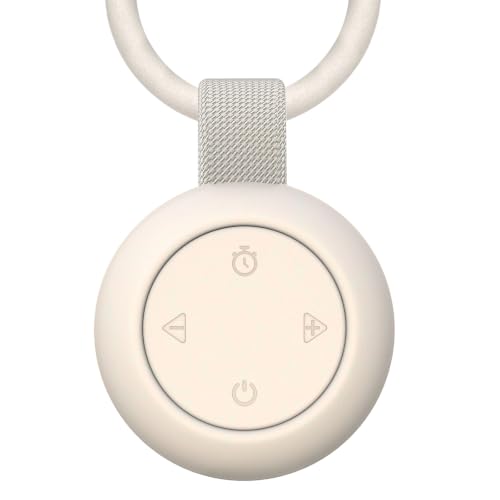 JAROCO Portable Baby Sound Machine & Essentials for Babies & Kids-Putty…
View on Amazon ↗
 MOMCOZY Momcozy Smart Baby Sound Machine with Night Light, White Noise…
View on Amazon ↗
 DREAMEGG Dreamegg Portable Noise Machine for Baby Adult, Features Powerful Battery,…
View on Amazon ↗
Listing names and images come from Amazon and are rechecked against the live listings; last checked Nov 8, 2026. No prices shown; the current price is on the listing.
Scope and limits. This guide covers how sound type, volume control, and placement affect a baby white noise machine, not which individual model to buy. It is written from general knowledge of how these machines work, so check any listed dimension or decibel range on the product page before you buy.