Your first check is the waterproof rating plus the breathability claim, because a high rating alone can trap sweat. Then decide between a two and a half layer shell that packs smallest or a three layer shell that vents better. Tall and plus size buyers should verify the cut, not the size label. The main tradeoff: packability and price against all day comfort.
Read the rating like a weather forecast
Check the waterproof rating in millimeters. A shell rated 5,000 mm handles light rain and short walks. A rating of 10,000 mm or more suits steady rain or a long commute. Higher numbers are not always better, because a jacket that blocks more water often traps more sweat.
Look for a breathability claim next, usually measured in grams of vapor per square meter per 24 hours. A rating below 5,000 g feels clammy when you walk fast. A rating above 10,000 g matters if you hike, cycle, or wear the jacket over a midlayer.
Ask the seller about the waterproofing method. A durable water repellent coating beads water but wears off and needs reapplying. A polyurethane or laminate membrane sits inside the fabric and lasts longer, though it adds weight and cost.
The layer count changes how the jacket feels
Lightweight raincoats come in three main builds. A two and a half layer shell glues a printed coating to the outer fabric and packs down to the size of an apple. It is the cheapest and lightest option, but the inside can feel sticky against bare arms.
A two layer shell bonds a membrane to the outer fabric and hangs a separate mesh or taffeta liner inside. That liner adds a little weight and bulk, but it keeps the membrane off your skin and lets air move more freely.
A three layer shell bonds the outer fabric, membrane, and inner liner into one piece. It costs more and packs larger, but it resists abrasion and moves sweat better, which matters on a multi hour hike.
| Build | Packed size | Skin feel | Breathability | Best for |
|---|---|---|---|---|
| Two and a half layer | Smallest | Sticky in heat | Lowest | Emergency shell, travel |
| Two layer | Medium | Smooth liner | Medium | Daily use, commuting |
| Three layer | Largest | Soft bonded inside | Highest | Hiking, active days |
A heavier build is not a flaw. It is the price you pay for a jacket that stays comfortable when you are working hard.
Fit is not the same as the size label
A lightweight raincoat often runs narrow through the shoulders because the fabric has little stretch. Check the garment measurements, not the letter size. For tall men, look for a center back length of at least 30 inches and sleeves that cover the wrist when arms are raised.
For plus size women, check the hip and chest measurements against your own layers. A raincoat you wear over a fleece needs several extra inches. Adjustable cuffs, a drawcord hem, and a two way zipper all help the same jacket fit more body shapes.
If the listing does not show a size chart with actual garment dimensions, ask before buying. A return for fit is the most avoidable mistake with this product.
Vents and adjustments do more than pockets
Marketing often highlights pocket count, but airflow is what keeps you dry from the inside. Look for underarm zips or mesh lined vents. In a lightweight shell, pit zips are the single most effective feature for dumping heat without taking the jacket off.
A hood with a stiff brim and a rear cinch stays put in wind. A hood that only has an elastic edge will flop over your eyes. Check that the hood can roll away or stow in the collar if you commute, because a dangling hood catches on doors and straps.
Seams matter as much as fabric. Taped seams are essential for a jacket that sees real rain. If the listing says the shell is waterproof but never mentions sealed seams, the water will find the needle holes.
Cold weather hiking changes the priority order
When you hike in cold weather, breathability matters more than packed size. A three layer shell with pit zips lets you wear a fleece underneath without turning into a steam room. A two and a half layer emergency shell will leave your baselayer soaked after the first climb.
Check the hem and sleeve length for layering. A cold weather raincoat needs room for a puffy midlayer without pulling the shoulders forward. A drop hem covers your seat when you sit on wet rock, and a helmet compatible hood helps on exposed ridges.
Do not buy a raincoat for winter warmth. It is a shell, not insulation. Its job is to keep wind and water out while your midlayer keeps you warm.
Travel and wet weather favor the smallest pack
For travel, a two and a half layer shell wins on packability. It stuffs into its own pocket and disappears in a daypack. The tradeoff is that you will feel clammy if you wear it for hours in a warm rain.
For a daily wet weather commute, a two layer shell with a hanging liner is often the better choice. It still packs small enough for a work bag, but the liner keeps the inside comfortable when you walk from the train.
If you travel to a rainy region and plan to walk all day, pack a three layer shell and accept the extra bulk. The comfort on a six hour sightseeing day is worth the space in your bag.
Care is a hidden long term cost
A durable water repellent coating fades after 20 to 30 wears, faster if you carry a backpack strap over the shoulder. You can restore it with a wash in and spray on treatment, but that costs money and takes an hour every few months.
Wash a raincoat with a technical cleaner, not regular detergent. Standard detergent leaves residue that clogs the membrane and makes the jacket wet out. Tumble dry on low heat to reactivate the water repellent finish.
Do not iron or dry clean a membrane jacket. Heat from an iron can melt the laminate, and dry cleaning solvents break down the waterproof layer.
Two mistakes to avoid before you pay
The first mistake is buying a jacket rated only in the title. Any seller can write waterproof, but a number like 10,000 mm plus taped seams is a claim you can check against the listing photos. If the photos do not show the seams or the membrane, assume it is a light shower shell.
The second mistake is sizing up for layers without checking the cut. A jacket that fits over a fleece will billow when you wear it over a T-shirt. Look for a trim but not tight cut, with enough room to raise your arms without the hem riding up.
Who should skip a lightweight raincoat
If you work outdoors in heavy rain every day, a lightweight shell will not last. A heavier coated nylon or rubberized raincoat costs more and weighs more, but it shrugs off abrasion and downpours for years.
If you run in warm rain, a raincoat is the wrong tool. A running jacket with a high breathability rating and no membrane, or even a water resistant wind shell, will keep you more comfortable than a waterproof layer that traps sweat.
If you want one jacket for winter storms and summer showers, a lightweight raincoat will disappoint in both. It lacks insulation for winter and vents poorly for summer. You would be better served by a three layer shell plus a separate midlayer.
Lightweight Raincoat Questions, Answered Straight
What is a good waterproof rating for a lightweight raincoat?
For everyday use, a rating of 5,000 to 10,000 mm handles most light rain and short walks. For steady rain, hiking, or commuting, look for 10,000 mm or higher. Check that the listing also states taped seams, because an unsealed jacket will leak at the stitching even with a high fabric rating.
How breathable should a lightweight raincoat be?
A breathability rating below 5,000 g per square meter per 24 hours feels clammy during any brisk activity. Above 10,000 g is noticeably better for hiking or cycling. If the listing does not give a number, the layer build is a clue: two and a half layer breathes least, three layer breathes most.
Can a lightweight raincoat keep me warm in cold weather?
No. A raincoat is a shell that blocks wind and water, not insulation. For cold weather hiking, wear a fleece or puffy midlayer underneath and choose a raincoat with enough room for that layer, plus pit zips to release heat when you climb.
Is a two and a half layer raincoat worth it for travel?
Yes, if packability is your top priority. A two and a half layer shell packs into its own pocket and adds almost no weight to a bag. The tradeoff is a sticky feel against bare skin and lower breathability, so it suits short showers and emergency use more than all day wear.
Which lightweight raincoat is best for plus size women?
Ignore the letter size and check the garment measurements for hip, chest, and sleeve length. Look for a cut with room to layer, plus adjustable cuffs, a drawcord hem, and a two way zipper. If the listing lacks a size chart, ask the seller for actual dimensions before ordering.
The Pick That Fits Most Rainy Days
If you walk or commute in the rain most days, choose a two layer shell with a 10,000 mm rating, taped seams, and underarm zips. It balances packability and comfort better than the cheaper two and a half layer. For cold weather hikers who sweat on climbs, a three layer shell with pit zips is the smarter pick, even though it costs more and packs larger.
Real lightweight raincoat listings, so you can check the points in this guide against actual products. These are affiliate links: as an Amazon Associate we earn from qualifying purchases, at no extra cost to you.
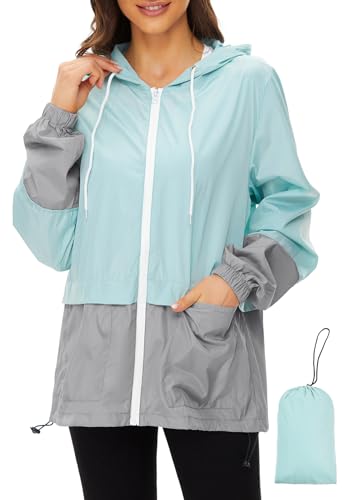 ZANDO Zando Lightweight Rain Jacket Women Waterproof Raincoat Mint Green XL…
View on Amazon ↗
 33,000FT 33,000ft Women's Rain Jacket Waterproof Lightweight Packable Raincoats | Breathable,…
View on Amazon ↗
 APEXUP APEXUP Packable Rain Jacket Men Waterproof Lightweight Raincoat with Hood…
View on Amazon ↗
Listing names and images come from Amazon and are rechecked against the live listings; last checked Nov 8, 2026. No prices shown; the current price is on the listing.
How to read this guide. Use this guide as a checklist to hold against any lightweight raincoat listing, not as a verdict on a particular model. It is written from general category knowledge, without reading individual product documents or reviews, so verify any dimension or rating on the listing itself.