The two factors that decide most interview prep are answer structure and practice format. If you freeze when asked to tell a story, choose a method built around frameworks like STAR or CAR. If you already speak well but miss specifics, a question bank with model answers may be enough. First time managers and career changers usually need structured drills, while confident speakers can skip heavy coaching formats. The main tradeoff is depth versus speed: scripted frameworks take longer to internalize but produce stronger answers under pressure.
Start With the Answer Structure, Not the Question Count
A long list of interview questions feels useful but does not teach you how to answer. What separates effective prep is a repeatable structure you can apply to any question. Look for a method that names its parts, such as situation, task, action, result for behavioral questions, or a claim, evidence, impact pattern for leadership stories.
Structured answers sound more confident because you always know what comes next. Without a framework, you may ramble or forget the point. Compare how the material teaches you to open, build, and close an answer. A good guide gives you a template, then shows several filled examples, then asks you to write your own.
Some formats focus only on common questions and suggested talking points. That can work for a quick refresh, but it leaves you exposed when an interviewer asks a variant. A framework is more flexible because you adapt your own stories instead of memorizing lines.
For a career pivot, the same framework still applies, but your examples need reframing. A guide that explains how to translate old experience into new role language is more valuable than a generic list. Check whether the material addresses transferable skills explicitly.
Practice Format Decides Whether You Actually Improve
Reading advice is passive. Retention comes from writing answers, saying them out loud, or recording yourself. Before buying, decide how you will practice. A workbook with blank templates and prompts forces active recall. An audio program or video course can model pacing and tone, but only if you pause and repeat.
Mock interviews are the closest simulation, but they require a partner or a structured self recording routine. Some prep includes scripts for a practice partner, which turns a friend into a useful coach. If you will not do that, a workbook with self checks is more realistic.
Consider your deadline. If your interview is in three days, a dense coaching program will not help. A focused framework guide with a handful of drills fits a short window. If you have two weeks or more, a workbook or multi week plan builds deeper habits.
The medium also matters. A digital workbook may include fillable fields and links to audio examples. A print book forces you to write by hand, which some people remember better. Neither is universally better; match it to how you already study.
Role Fit Changes Which Examples You Need
Interview prep is not one size fits all. A new graduate needs examples from classes, internships, and part time work. A first time manager needs stories about leading peers, resolving conflict, and making decisions without authority. A solo entrepreneur needs to explain client work and self direction.
Mid career professionals often face questions about failures, gaps, or reasons for leaving. Prep that includes tough question sections with honest answer strategies helps more than a list of softballs. Side hustlers need to position freelance or project work as serious experience, not a hobby.
Look at the sample answers. If every example assumes a corporate office with a large team, it may not fit your situation. The best prep shows a range of contexts: remote work, small teams, customer facing roles, technical projects. You should recognize yourself in at least a third of the examples.
Some guides are built for a specific interview type, such as case interviews, medical school interviews, or tech behavioral rounds. If your interview has a known format, choose prep that matches that format. A general guide will waste time on irrelevant sections.
Which Features Actually Matter and Which Are Marketing
Question count is the most common marketing number, but it has little value. Five hundred questions without answer guidance is just a list. A hundred questions with model answers, frameworks, and follow up prompts is far more useful. Look for depth per question, not volume.
Claims about insider secrets or guaranteed offers are usually noise. No book can guarantee a job. What a good guide can do is reduce the chance you freeze, ramble, or miss the point. Focus on whether the method is clear enough to use the same day.
Bundled extras like resume templates or salary scripts may be useful, but they can also pad the price. Decide whether you need those extras. If you already have a strong resume, do not pay for a second one. If the interview prep includes a companion workbook, that is often more valuable than a generic bonus chapter.
Look for a clear table of contents. If the chapters are vague, such as confidence, communication, and mindset, the content may be motivational rather than practical. Strong prep sections name specific question types and answer formats.
Mistakes That Make Interview Prep Feel Useless
The most common mistake is reading the whole book without writing one answer. You feel prepared because you recognized the advice, but recognition is not recall. A short daily drill, even ten minutes of writing or speaking, beats hours of passive reading.
Another mistake is memorizing answers word for word. Interviewers can tell when you are reciting, and a small interruption breaks the script. A framework with your own stories lets you recover and adapt. Memorize the structure, not the sentences.
Buying prep that does not match your interview type is a quiet failure. A case interview book will not help a behavioral interview. Check the job description and the interview process before choosing. If the employer uses a panel, look for prep that addresses multiple interviewers.
Ignoring the follow up question is a missed opportunity. Strong prep teaches you to anticipate what an interviewer might ask next. For example, after a leadership story, expect a question about a time it failed. The best guides include those second level prompts.
How to Read a Listing Before You Buy
Check the table of contents first. You want to see specific question categories, answer frameworks, and practice sections. If the listing hides the contents, look for a preview. A vague outline is a warning sign.
Look at the sample pages. Do they show a filled answer template, or just a list of questions? A template with one complete example tells you more than a hundred bullet points. The sample should demonstrate the method, not just promise it.
Ask what the practice format is. Does the product include a workbook, audio, video, or access to an app? If you need to write by hand, a digital only product may frustrate you. If you commute, audio drills could fit better.
Check the publication date. Interview norms change slowly, but remote interviews and AI screening are newer topics. A guide that covers video interview setup and asynchronous answers is more current. Avoid anything that still treats phone screens as the default.
Finally, verify the page count and format. A 60 page pamphlet is not a full program. A 400 page book with small print may be overwhelming. Look for a length that matches your deadline and attention span.
| Format | Practice intensity | Answer depth | Suits |
|---|---|---|---|
| Question bank | Low, reading only | Shallow, no structure | Quick refresher before a known format |
| Framework guide | Medium, some drills | Strong, repeatable method | First interview or career pivot |
| Workbook with drills | High, written and spoken | Strong, personalized stories | Two week or longer preparation |
| Coaching style program | Very high, simulated | Deep, feedback driven | High stakes or repeated failures |
A question bank is not wrong, but it is only a refresher. If you have never practiced structured answers, a framework guide or workbook will serve you better. Match the format to your deadline and your willingness to do active drills.
Long Term Costs and Reusable Materials
Most interview prep is a one time purchase with no consumables. The real cost is your time. A workbook that takes ten hours to complete is a bargain if you actually finish it, and a waste if you do not. Estimate the time commitment before buying.
Some programs include online access that expires. If you may need the material again in a year, check whether the access is permanent. A print workbook can be reused for future interviews, but a subscription or course may not be.
If you buy a digital product, confirm which devices it works on. A PDF you can annotate on a tablet is different from an app locked to one platform. For print, look for space to write. Narrow margins and dense text make a workbook hard to use.
Consider whether the prep teaches a skill you can transfer. A good answer framework works for salary negotiations, performance reviews, and networking. That makes the purchase more valuable than a single interview.
When a Different Tool Works Better
Interview prep is not always the right purchase. If your main problem is a weak resume, fix that first. A strong resume gets you the interview; prep only helps after you are in the room. You could start with a resume guide that matches your career stage before adding interview drills.
If your anxiety is severe, a book may not be enough. Consider a structured course with live practice or a career coach. Interview prep books work best for people who need structure and examples, not for those who need personalized feedback on delivery.
For a very niche technical interview, a general prep guide will not cover the domain knowledge. You may be better off with a study plan built around the specific skills, plus a short behavioral framework. Check whether the prep assumes a general business context or a technical one.
If you are preparing for a test based interview, such as a case or coding round, a test prep book with a study plan may be a better fit. The skills are different from behavioral storytelling. Match the tool to the actual interview format.
Interview Prep Questions Worth Asking
Is interview prep worth it for a new graduate?
Yes, if it teaches a story framework rather than just listing questions. New graduates often have thin work experience, so they need help turning classes, projects, and part time jobs into structured answers. A guide with entry level examples and a simple template like STAR is worth more than a huge question bank aimed at executives.
What is the difference between a question bank and a framework guide?
A question bank lists many questions, sometimes with sample answers, but does not teach you how to build your own. A framework guide gives a repeatable structure, such as situation, task, action, result, and shows how to apply it to any question. For most people, the framework guide has more lasting value because it works for unexpected questions.
Should I buy a workbook or a coaching style program?
Choose a workbook if you have at least two weeks and can practice alone. It forces written and spoken drills that build retention. Choose a coaching style program if you have failed interviews before, freeze under pressure, or need feedback on delivery. The coaching format takes longer but simulates the real setting more closely.
Can interview prep help first time managers?
Yes, but look for leadership specific examples. First time managers need stories about influencing peers, resolving conflict, and making decisions without formal authority. A general prep guide may lack those scenarios. A guide with a section on leadership questions and follow up prompts is more useful.
How do I compare two interview prep books?
Compare the table of contents, the sample pages, and the practice format. Look for specific question categories, a named answer framework, and filled examples. Check whether the examples match your role and whether the format fits your deadline. Depth per question matters more than the total number of questions.
The Interview Prep Pick That Fits Your Deadline
Someone with a week or more before a behavioral interview should buy a workbook with written and spoken drills built around one clear framework. That format forces you to turn your own stories into structured answers instead of memorizing lines. If your interview is in three days or you already speak well and only need a refresh, a focused question bank with model answers is the better pick. It gives you fast exposure to likely questions without the time cost of a full workbook, though it leaves you more exposed to follow ups.
Real interview prep listings, so you can check the points in this guide against actual products. These are affiliate links: as an Amazon Associate we earn from qualifying purchases, at no extra cost to you.
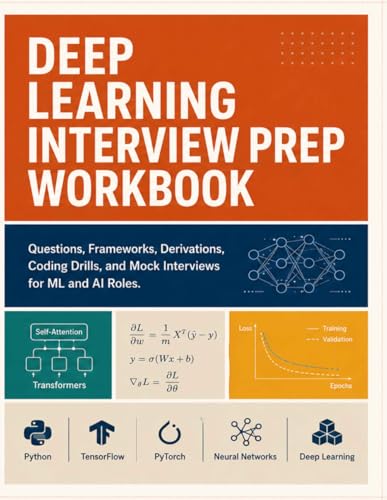 DEEP LEARNING INTERVIEW PREP WORKBOOK: Questions, Frameworks, Derivations, Coding Drills,…
View on Amazon ↗
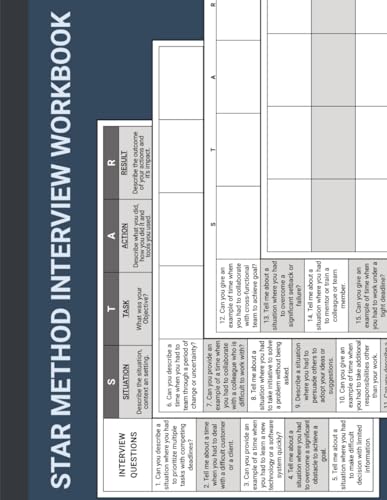 Star Method Interview Workbook: A Record For Employers and Job…
View on Amazon ↗
 Own The Interview: Companion Workbook: Your Personal Preparation Guide for…
View on Amazon ↗
Listing names and images come from Amazon and are rechecked against the live listings; last checked Nov 8, 2026. No prices shown; the current price is on the listing.
What this guide is. This guide covers interview preparation as a product type, not any individual book or course. It is written from general knowledge of how interview prep materials are structured and what makes them effective. Check any dimensions, page counts, or access terms on the listing before you buy.