Two factors decide most of it: how well the flange fits your nipple and how strong the suction actually is. A poor fit makes even a powerful motor feel weak, while a good fit lets a modest pump empty you faster. Wearable in bra cups trade some power for true mobility; clip on or belt pumps keep more power but add tubing or weight. Working parents usually want in bra cups, but if supply is fragile, choose stronger suction over total freedom.
Fit Before Power
A breast pump works by pulling the nipple into a short tunnel called a flange. The tunnel must be only slightly wider than your nipple. If it is too big, areola tissue gets dragged in, the nipple rubs, and the pump cannot form a strong seal. If it is too small, the nipple presses against the sides and milk flow slows.
Measure your nipple after a letdown, not before. Most people land in a range around 19 to 27 millimeters, but flange inserts go from about 15 to 32 millimeters. Some hands free pumps include two or three sizes. Many do not, so check the listing for included inserts before buying.
Nipple size can change over months of pumping, and the left and right sides often measure differently. A pump that accepts generic inserts gives you room to adjust. A pump with a fixed tunnel locks you into one fit, and that is the most common reason a hands free pump feels weak.
Suction Strength Is Not a Number on the Box
Listings advertise suction in millimeters of mercury, often from 250 to 350 mmHg for hands free pumps. That number alone does not tell you how the pump feels. The pattern matters more: a long, slow pull with a short release empties a full breast better than rapid shallow pulses.
Check whether the pump offers more than one mode. A stimulation mode with fast light pulls helps trigger letdown. An expression mode with slower, deeper pulls removes milk. If a pump has only one rhythm, you may need to hand express first to get milk flowing.
Small in bra motors run on rechargeable batteries and often weaken as the battery drains. If you pump three or more times a day, look for a pump that holds a charge for at least three to four sessions. Some models warn you when suction drops, others quietly fade.
The Three Main Design Types
In bra cups hide the motor inside each cup. There are no tubes and nothing clips to your waist. You can walk, work at a desk, or hold a baby. The tradeoff is that the motor is small, so suction is often lighter and the cups are heavier on the breast.
Clip on pumps keep the motor in a small unit that clips to your waistband or bra strap. Short tubes connect to cups that sit in your bra. You can move around, but the tubing can snag and the cups still need a good seal. Suction is usually stronger than in bra cups.
Belt or fanny pack pumps put a larger motor on your hip with longer tubing. They feel bulkier but hold vacuum better and often have more adjustable settings. A few hospital grade portable pumps fit this category. They suit people with low supply or who pump exclusively.
Traditional double electric pumps with a wall plug are not hands free, but they are the reference point for suction. If you already respond well to one, a hands free pump may feel weaker. Some people keep a wall pump for morning sessions and a wearable for the car or office.
| Design | Mobility | Suction feel | Cleanup effort | Suits |
|---|---|---|---|---|
| In bra cups | High, no tubes | Lighter, can fade on battery | More parts, small crevices | Working, travel, occasional pumping |
| Clip on motor | Medium, short tubes | Stronger than in bra | Cups plus short tubes | Daily pumping with some movement |
| Belt or fanny pack | Medium, longer tubes | Strong and steady | More tubing to wash | Low supply, exclusive pumpers |
| Traditional double electric | Low, wall or large battery | Strongest | Familiar parts | Home use, building supply |
Cleanup Is the Hidden Cost
A hands free pump has more small parts than a basic manual pump: duckbill valves, backflow protectors, diaphragms, and cup rims. Every part that touches milk needs washing after each session. Count the parts in the listing photo. More than six per side gets tedious fast.
Check whether the parts are dishwasher safe on the top rack. Some silicone valves survive the dishwasher; others warp and lose suction. If you plan to pump at work, you need a routine: rinse parts in cold water, then wash with warm soapy water, then air dry completely before the next use.
Mold grows in damp valves and tubing. Look for a design where the milk path is short and you can see inside each part. Tubing that never touches milk needs less washing, but if condensation appears, you must dry it. A pump with fewer hidden crevices costs you less time every day.
Working, Traveling, and Other Real Situations
Office pumping changes the priorities. You need a pump that is quiet enough not to be heard through a door. You need cups that fit under a nursing bra without obvious bulk. And you need to wash parts in a shared kitchen without laying out a dozen pieces.
Traveling parents need a pump that charges via USB-C and fits in a carry on. Check the battery life in minutes, not sessions. A pump that runs 90 minutes may cover three 30 minute sessions or only two if you pump longer. Bring a power bank if you have a long flight or train ride.
Newborn feeding often means pumping while the baby contact naps. In bra cups let you hold the baby while pumping, but the cups can press against the baby. Clip on pumps with short tubes keep the motor off your chest, but the tubing can tangle in a baby wrap.
Weaning babies bring a different need: shorter, less frequent sessions. A heavy duty pump is overkill. A simple in bra cup with decent suction works for once a day relief. If you are dropping pumps to reduce supply, you may only need a manual pump or hand expression.
Mistakes That Make a Good Pump Feel Broken
The most common mistake is assembling the pump with a wet valve. Even one drop of water in a duckbill valve can break the seal and cut suction in half. After washing, snap the valve against your palm to flick out water, or air dry parts overnight.
Another mistake is pushing the cups too hard against the breast. The cup should form a seal with light pressure. If you press to force more suction, you compress milk ducts and get less milk. Let the pump do the work and adjust the vacuum level instead.
Wearing the wrong bra makes in bra cups shift. A stretchy sleep bra lets the cups sag and lose the seal. A firm nursing bra holds them in place, but too tight a band squeezes the cups against your ribs. Try the pump on with the bra you will actually wear.
Skipping the letdown phase is common when you are rushed. Start on stimulation mode for two minutes before switching to expression. If you jump straight to strong suction, the nipple hurts and the breast does not empty. Watch for milk spraying into the cup before raising the power.
When a Hands Free Pump Is Not the Right Tool
If you have a low supply or a history of clogged ducts, a hands free pump may not empty you well enough. The lighter suction leaves milk behind, which tells your body to make less. In that case, a hospital grade rental or a strong double electric pump is safer, even if it means sitting by a plug.
If you pump exclusively for a baby who cannot latch, you need a pump that empties fully every three hours around the clock. Hands free pumps are convenient for a session or two, but many are not built for eight sessions a day for months. The motors wear out and the batteries lose capacity.
If your nipples are elastic and stretch far into the flange, in bra cups often cause pain because you cannot see the nipple while pumping. A clear flange on a traditional pump lets you watch the fit. Some hands free cups are opaque, so you pump blind.
If you are on a tight budget, a hands free pump costs more than a basic double electric, but the parts wear out faster. Valves and diaphragms need replacing every few months, and replacement sets add up. Check the cost of spare parts before buying the pump.
Hands Free Pump Questions That Come Up Before Buying
Is a hands free breast pump covered by insurance?
Many US insurance plans cover a breast pump, but hands free wearable pumps are often only partially covered or require an upgrade fee. Call your insurer and ask for the specific pump brands and models they cover. Some plans cover a traditional pump fully and let you pay the difference for a hands free upgrade. A prescription from your OB or midwife is usually required.
Which hands free breast pump has the strongest suction?
Belt or fanny pack pumps with a separate motor typically offer stronger, steadier suction than fully in bra cups. Look for a pump that lists suction in mmHg and offers multiple expression patterns. Compare the vacuum level at the lowest and highest settings, not just the maximum. A pump with a wide range gives you more control.
What is the difference between a wearable pump and a hands free pump?
All wearable pumps are hands free, but not all hands free pumps are wearable. Wearable pumps have the motor inside the cups that sit in your bra. Hands free pumps include clip on motors and belt pumps that keep the motor off your chest while leaving your hands free. The distinction matters for suction strength and cleaning.
Can I use a hands free pump as my primary pump?
Some people do, but it depends on your supply and how often you pump. If you have an established supply and pump three or fewer times a day, a good in bra or clip on pump can work. If you pump exclusively or have low supply, a stronger pump with a wall plug or large battery is safer. Watch your output over two weeks before committing.
How do I know if my flange size is wrong?
Pain, nipple rubbing, or areola pulled into the tunnel means the flange is too big or too small. After pumping, your nipple should move freely in the tunnel without touching the sides. Measure your nipple diameter after a letdown and add 2 to 4 millimeters for the flange size. If one side hurts more, try a different insert on that side.
Which Hands Free Pump Fits Your Day
A parent who pumps once or twice a day between meetings or while commuting should start with in bra cups that include at least two flange insert sizes. That keeps you mobile without sacrificing the fit that matters most. If you pump exclusively or have a fragile supply, skip the in bra motor and choose a belt or fanny pack pump with stronger suction and adjustable patterns, then keep a wall pump as backup.
Real hands free breast pump listings, so you can check the points in this guide against actual products. These are affiliate links: as an Amazon Associate we earn from qualifying purchases, at no extra cost to you.
 EUFY SECURITY eufy Heated Wearable Breast Pump S1, HeatFlow, Hands-Free | HeatFlow,…
View on Amazon ↗
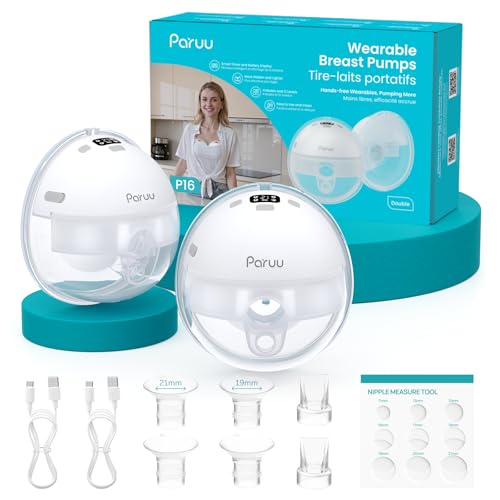 PARUU Paruu Hands Free Breast Pump P16, Wearable Breast Pump |…
View on Amazon ↗
 MOMCOZY Momcozy Wellness 1 Wearable Breast Pump, Warm-Massage Hands-Free Pump with…
View on Amazon ↗
Listing names and images come from Amazon and are rechecked against the live listings; last checked Nov 8, 2026. No prices shown; the current price is on the listing.
What this guide is. This guide draws on general knowledge of how breast pumps work, from flange mechanics to motor and battery behavior. It does not evaluate any specific model, so check the listing for included flange sizes, battery life in minutes, and how many parts need washing after each session.