Start with the strap width and padding, then check how the main opening works. A wide, padded strap spreads weight for a loaded bag, while a narrow strap suits light everyday carry. The opening decides daily speed: flap and buckle feels secure but slow, while a zipper or magnetic closure is faster. Match the bag to your heaviest typical load, not your lightest day.
The strap does the quiet work
A crossbody bag hangs from one shoulder, so the strap is the whole suspension system. Look for a strap that is at least 1.5 inches wide if you carry more than a phone and wallet. Narrow straps under an inch concentrate the load into a thin line, which digs in after a few hours of walking.
Padding matters more than width once the strap passes two inches. A wide unpadded strap still folds and cuts at the edges. Check whether the padding runs the full length of the strap or stops short where the hardware sits. A strap that slides through a buckle also lets you adjust length on the move, which helps when you switch from a thin jacket to a winter coat.
The strap attachment points tell you how the bag will sit. Two metal loops sewn into the top edge pull the bag tight against your hip. A single loop with a swivel hook lets the strap rotate as you bend, which reduces twisting over a long day. Look for reinforcement at the attachment points, because this is where crossbody bags fail first.
The main opening sets your daily rhythm
A flap with a buckle is the classic crossbody design, and it is slow by nature. You lift the flap, undo the buckle, reach in, close the buckle, and lower the flap. That is fine on a weekend market trip, but it becomes a small frustration every time you tap a transit card or grab a phone on a busy commute.
A top zipper is the fastest common opening, but it changes the shape. The bag closes flat and tight, which is good for rain and for keeping small items inside. A zipper that runs only partway across the top leaves tight corners where a phone gets stuck. Check that you can open the zipper one handed while the bag is still on your shoulder.
Magnetic closures are fast and quiet, but they are not a security feature. A strong magnet can pop open if the bag is overstuffed or bounced against a turnstile. Many bags pair a magnet with a zipper pocket underneath, which gives you speed for the main compartment and security for the valuables. Decide which one you will actually use most.
Body size is a habit, not a feature
Most crossbody bags are sold by width, and the number is less helpful than it looks. A 10 inch bag can carry a phone, a slim wallet, keys, and a small water bottle. A 14 inch bag adds a paperback, a light jacket, or a tablet, but it also bounces more when you walk fast.
Think about your heaviest normal load, not your average one. If you sometimes carry a water bottle and a small umbrella, size the bag for that day. A bag that is too small forces you to carry a second tote, which defeats the point of a crossbody. A bag that is too large invites you to overpack, and the extra weight lands on one shoulder.
Check the stated depth as well as the width. A bag that is 12 inches wide but only 2 inches deep will not hold a chunky wallet or a small cosmetics pouch. A depth of 3 to 4 inches is the sweet spot for a daily carry bag. Anything deeper starts to feel like a small duffel hanging off your hip.
Which features earn their place
An external phone pocket is the most useful feature on a crossbody bag. It puts the thing you reach for most often on the outside, so you do not have to open the main compartment on a crowded bus. Check that the pocket is deep enough for your phone with a case, and that it has a closure you can manage with one hand.
A key leash is a small strap inside the bag with a clip on the end. It saves you from the daily dig through the bottom of the bag, and it prevents keys from scratching a phone screen. This is a low cost feature that changes how you use the bag every single day. Look for one in any bag with a main compartment deeper than six inches.
Water resistance is often overstated. A bag with a water resistant coating will shrug off light rain, but the zipper and seams are the weak points. For real rain protection, look for a flap over the zipper or a bag with sealed seams. Do not pay extra for a water resistant claim without checking how the closure is built.
Use cases change the same bag
For daily commuting, speed beats security. You will open the bag dozens of times between home, transit, and the office. A zipper or magnetic closure with an external phone pocket is the practical choice. A flap and buckle bag will have you holding up the line at the turnstile.
For international flights, security and organization move up the list. You want a zipper that stays closed under a seat, a passport pocket against your body, and a strap that can tighten across your chest. A bag that sits flat against your hip is easier to wear under a jacket in a crowded airport line.
For busy parents, the bag becomes a second set of hands. You need one handed access to wipes, snacks, and a phone while holding a child. A magnetic closure or a wide open top beats a fiddly buckle. A slightly larger body with internal pockets keeps the diaper and the wallet from mixing.
For city sightseeing, the strap width matters most. You will walk for hours with the bag on one shoulder. A wide padded strap is worth its bulk, even if the bag looks less sleek. A slim bag with a narrow strap will leave a mark by mid afternoon.
The listing checks that catch mistakes
Start with the strap width and padding, which the listing often states or shows in a photo. If the number is missing, ask the seller. A strap under an inch wide is a warning sign for any bag meant to carry more than a phone.
Next, check the main opening in the product photos. Look for a photo of the bag open, not just closed. If the listing never shows the inside, you cannot tell whether the opening is wide enough or whether the internal pockets are useful. Ask for a photo of the bag open before you buy.
Then verify the body dimensions against a bag you already own. Lay a current bag flat and measure it, then compare to the stated width, height, and depth. A bag that is two inches smaller in every direction will force you to change what you carry.
Finally, check the strap attachment hardware in the close up photos. Thin metal loops or plastic hooks are the first parts to fail. Look for stitched loops or metal swivel hooks, and ask the seller what the hardware is made of if the listing is vague.
The care and long term costs
Crossbody bags need almost no routine care, which is part of their appeal. Wipe the exterior with a damp cloth when it gets dusty, and empty the bag once a week to shake out crumbs and lint. The strap is the part that wears first, so check the attachment points every few months for fraying.
The main long term cost is replacing a bag when the strap fails or the zipper breaks. A bag with replaceable hardware or a detachable strap can be repaired for less than the cost of a new bag. Check whether the strap is sewn in or attached with clips, because a sewn in strap means the whole bag is done when the strap goes.
Do not machine wash a crossbody bag unless the care label explicitly says you can. The padding in the strap and the lining can shrink or bunch, and the bag will never sit the same way again. Spot cleaning with a mild soap and a soft brush handles almost every stain.
When a crossbody is the wrong bag
Skip a crossbody bag if you regularly carry a laptop or a full day of work gear. The one shoulder load gets heavy fast, and a backpack or a shoulder bag with a wide strap distributes the weight better. A crossbody bag with a laptop sleeve is still a crossbody bag, and the laptop will pull on one shoulder all day.
Also skip it if you need to carry a water bottle that is taller than eight inches. Most crossbody bags are too shallow for a full size bottle, and the bottle will either stick out the top or force the bag into an awkward shape. A small waist pack or a tote works better for that load.
For a hands free option without the shoulder strain, a waist pack is worth a look. The guide on waist pack fit checks covers how to keep one from bouncing. If you need to carry a change of clothes or a travel kit, a cabin duffel with a crossbody strap is a different category, covered in a cabin duffel comparison.
Design types at a glance
| Design | Opening speed | Security | Best daily load | Watch for |
|---|---|---|---|---|
| Slim zipper bag | Fast | Medium | Phone, keys, slim wallet | Too small for a water bottle |
| Flap and buckle | Slow | High | Wallet, phone, small notebook | Frustrating on a commute |
| Wide padded strap | Medium | Medium | Tablet, jacket, bottle | Bulky on light days |
| Convertible tote | Medium | Low | Lunch, book, light jacket | Overpacking and shoulder strain |
The table shows how the opening speed and the security tradeoff play out across the main designs. A flap and buckle bag is the most secure, but it is also the slowest to open. A slim zipper bag is the fastest, but it forces you to leave things at home.
Crossbody Bag Questions, Answered Straight
How do I choose a crossbody bag for daily use?
Start with the strap width and the main opening. A strap that is at least 1.5 inches wide with some padding will stay comfortable with a loaded bag. A zipper or magnetic closure saves you time every time you reach for your phone. Then check the body size against your heaviest normal load, not your lightest day.
What is the best size for a crossbody bag?
A bag between 10 and 12 inches wide works for a phone, wallet, keys, and a small water bottle. Go up to 14 inches if you carry a tablet, a book, or a light jacket. The depth matters as much as the width: look for 3 to 4 inches of depth so a chunky wallet or a small pouch fits without stretching the bag.
Is a crossbody bag good for travel?
Yes, with the right checks. For flights, look for a zipper that stays closed under a seat, a passport pocket against your body, and a strap that tightens across your chest. A bag that sits flat against your hip is easier to wear under a jacket in a crowded airport line. Avoid a flap and buckle design if you need fast access to a passport or boarding pass.
Can a crossbody bag hurt my shoulder?
A narrow strap under an inch wide concentrates the load into a thin line, which digs in after a few hours. A wide padded strap spreads the weight, but it adds bulk. If you carry more than a few pounds regularly, choose a strap that is at least 1.5 inches wide and check the padding runs the full length.
Which crossbody bag is best for moms?
Look for one handed access and a slightly larger body. A magnetic closure or a wide open top beats a fiddly buckle when you are holding a child. Internal pockets keep wipes, snacks, and a phone separate from a wallet. A bag that is 12 to 14 inches wide with a padded strap handles the extra load without constant swapping.
The Crossbody Bag Pick for Your Daily Load
A commuter who carries a phone, wallet, keys, and a small water bottle every day should choose a slim zipper bag with a strap at least 1.5 inches wide and an external phone pocket. The zipper is fast on transit, the pocket saves you from opening the main compartment, and the strap stays comfortable for the load. If you regularly carry a tablet or a light jacket, switch to a wide padded strap bag around 14 inches wide, because the extra weight on one shoulder needs the wider strap to stay comfortable.
Real crossbody bag listings, so you can check the points in this guide against actual products. These are affiliate links: as an Amazon Associate we earn from qualifying purchases, at no extra cost to you.
 BYMONTIN Crossbody Sling Bag with Touch Screen Phone Pocket, Chest Bag…
View on Amazon ↗
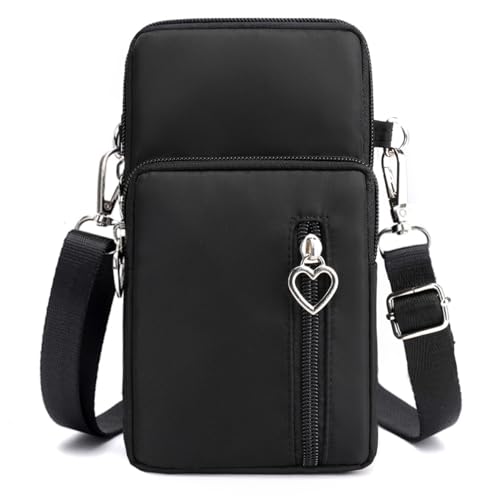 JANKS JANKS Small Crossbody Bags for Women Mini Cell Phone Purses…
View on Amazon ↗
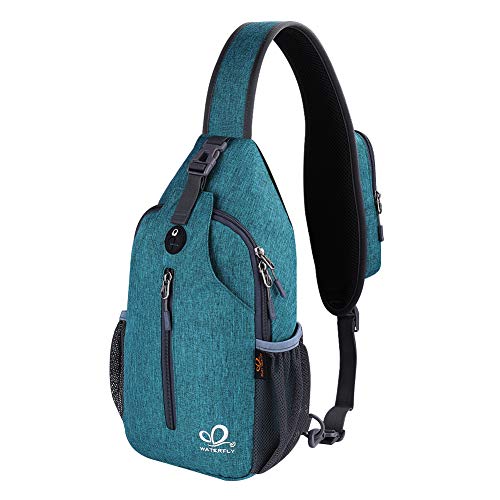 WATERFLY WATERFLY Crossbody Sling Backpack Sling Bag Travel Hiking Chest Bags…
View on Amazon ↗
Listing names and images come from Amazon and are rechecked against the live listings; last checked Nov 8, 2026. No prices shown; the current price is on the listing.
About this guide. This guide is written from general knowledge of crossbody bag construction and daily carry use, not from handling any specific units or reading individual product reviews. Check the strap width, opening style, and body dimensions on the listing before you buy, because those numbers vary across brands and sellers.