Fit this machine to your space, your patience, and your laundry volume. A single drum washer dryer combo saves floor space and plumbing work, but it dries slowly and handles smaller loads than separate units. Condenser and heat pump designs suit apartments and RVs, while vented combos need a duct and suit larger homes. Choose based on how often you run laundry and how fast you need dry clothes.
The Drying System Sets the Pace
Three drying systems sit inside washer dryer combos. A vented combo pushes moist air through a duct to the outside, so it dries faster but needs a wall opening or window kit. A condenser combo cools the humid air into water that collects in a tray or drains away, so it works in a closet or bathroom with no duct. A heat pump combo uses a refrigerant loop to recycle heat, which uses less electricity but takes the longest to finish a load.
Check the listing for which system the machine uses. A vented combo often matches the drying speed of a standalone dryer, while condenser and heat pump models can take twice as long on the dry cycle. That gap matters when you run back to back loads or wash before work.
Load Size Decides How Much You Can Finish
Washer dryer combos wash more than they dry. The wash capacity might hold a full hamper, but the dry capacity is often half that, because wet clothes need room to tumble and release moisture. You may need to remove some items before starting the dry cycle.
Compare the wash and dry weight ratings on the listing. For a couple or a small family, a combo with a 2.5 cubic foot drum or larger gives more flexibility. For an RV or a studio where you wash small batches often, a compact drum works fine.
Towels and bedding expose the limit. A thick towel load fills the drum quickly and dries slowly. If you wash bulky items weekly, look for a combo with a higher dry capacity or plan to hang dry the heaviest pieces.
Where the Machine Sits and What It Needs
A combo needs water in, water out, and power. Most units connect to a standard faucet or a dedicated plumbing line, and they drain through a hose to a sink, standpipe, or built in drain. Check your space for these connections before ordering.
Ventless combos can sit in a closet or under a counter, as long as air can circulate around the machine. Vented combos need a path to a window or wall vent. Some compact models run on 120 volt household current, while larger ones may need a 240 volt outlet.
For RVs and small flats, a portable or compact combo with a faucet adapter and a drain hose into a sink removes the need for permanent plumbing. For a laundry room with existing hookups, a full size vented combo uses the same connections as separate machines.
Cycle Length and Energy Use
A combined wash and dry cycle can run from three to seven hours depending on the drying system and load size. Heat pump models are the slowest but use the least electricity per load. Condenser models sit in the middle. Vented models finish fastest but send heated air outside, so the room stays cooler in summer.
Look at the energy rating on the listing. A heat pump combo often costs more upfront but saves money over years of use. If you run laundry daily, that difference adds up. If you wash once a week, the faster vented or condenser cycle may matter more than efficiency.
| Drying system | Drying speed | Vent required | Energy use | Suits |
|---|---|---|---|---|
| Vented | Fastest | Yes | Higher | Homes with a duct |
| Condenser | Moderate | No | Moderate | Apartments, RVs |
| Heat pump | Slowest | No | Lowest | Efficiency focused homes |
Use this table as a first filter. If you have no vent and wash daily, a heat pump combo saves energy but tests your patience. If you have a vent and want fast turnaround, a vented combo behaves more like a separate dryer.
Mistakes That Leave You With Damp Clothes
Overloading the drum is the most common error. The machine can wash a full load but cannot dry it, so clothes come out wrinkled and damp. Split large loads or choose a combo with a bigger dry capacity.
Skipping the lint filter or condenser cleaning slows drying over time. Lint blocks airflow, and a dirty condenser cannot pull moisture from the air. Check the manual for how often to rinse the filter or condenser fins.
Expecting standalone dryer speed from a ventless combo leads to frustration. A heat pump or condenser cycle can take two to three times longer than a vented dryer. Plan laundry around that longer cycle instead of starting a load before bed and expecting dry clothes by morning.
Care and Long Term Costs
A combo needs the same care as a washer plus extra attention to the drying path. Clean the lint filter after every dry cycle, and wipe the door seal to prevent mold. For condenser and heat pump models, rinse the condenser unit every few weeks to keep drying efficient.
Replacement parts are less common than for separate machines, but the combined drum and control board can be expensive to repair. Check the warranty length and whether local service is available before buying.
Detergent choice matters. Use high efficiency (HE) detergent in the amount the manual suggests. Too much soap leaves residue that clings to the drum and makes drying slower. Fabric softener can coat the moisture sensor and cause underdrying, so use it sparingly or skip it.
How to Read a Listing and What to Ask
Look for the drying system first: vented, condenser, or heat pump. Then check the wash and dry capacities separately. A listing that only states one capacity hides the real limitation.
Confirm the electrical requirements. A 120 volt combo plugs into a standard outlet, while a 240 volt model needs a dedicated circuit. Check the water inlet connection type and drain hose length against your space.
Ask the seller about the dry cycle time for a full load, the noise level in decibels during spin and dry, and whether a drain pump is included. For ventless models, ask how often the condenser needs cleaning and whether the water tank must be emptied manually or can drain continuously.
When a Combo Is the Wrong Machine
A large family that washes multiple loads a day will outgrow a combo quickly. The long dry cycle creates a bottleneck, and the small drum means more loads overall. Separate stacked or side by side machines handle that volume better.
If you wash king size bedding or heavy blankets weekly, a combo struggles to dry those items evenly. A standalone dryer with a larger drum or a laundromat visit may work better.
For a garage or workshop with no water hookup, a combo is useless. Consider a portable dryer paired with a countertop washer that you fill manually, or a ventless dryer for clothes you wash elsewhere.
In shared housing where several people use one machine, the long cycle time causes conflicts. A compact combo works best for one or two people who control their own laundry schedule.
Space Savings That Actually Matter
A combo frees up floor space because one footprint replaces two machines. In a studio apartment, that means room for a storage shelf or a folding table. In an RV, it means the difference between having laundry and using campground facilities.
The machine also cuts installation work. One water connection, one drain, and one power cord replace the double hookups of separate units. For a rental with limited plumbing, that simplicity matters.
But the space saving comes with a time cost. You cannot wash one load while drying another, so total laundry throughput stays low. If you do laundry on a single day each week, budget the whole day for a combo.
Washer Dryer Combo Questions That Decide the Purchase
How long does a washer dryer combo take to dry clothes?
Drying time depends on the system. A vented combo can dry a full load in 60 to 90 minutes, similar to a standalone dryer. A condenser combo often takes two to three hours. A heat pump combo can take three to four hours because it dries at a lower temperature. Check the listing for the manufacturer's stated dry time for a full load.
Can a washer dryer combo go in an RV?
Yes, if you choose a compact ventless model. Condenser and heat pump combos need no outside vent, so they fit in an RV closet or under a counter. Check the power draw against your RV's electrical system, and confirm the water inlet and drain hose lengths reach your hookups. Some models run on 120 volt, which matches most RV outlets.
Does a washer dryer combo need a vent?
Not always. Vented combos require a duct to the outside, while condenser and heat pump combos are ventless and collect moisture internally. Ventless models suit apartments, RVs, and rooms with no wall opening. A vented combo dries faster but needs the same venting as a standalone dryer.
What is the difference between a condenser and heat pump dryer combo?
Both are ventless, but they dry differently. A condenser combo uses a heating element to warm air and a cold surface to condense moisture into a tray or drain. A heat pump combo uses a refrigerant cycle to recycle heat, which uses less electricity but dries at a lower temperature and takes longer. Heat pump models cost more upfront.
Is a washer dryer combo worth it for a family?
For a family of four or more, usually not. The dry capacity is often half the wash capacity, so you split loads and wait hours between cycles. A combo works best for one or two people with light laundry needs. For families, a stacked washer and dryer set handles volume better, though it needs more space and plumbing.
Which Washer Dryer Combo Fits Your Laundry Routine
A person in a studio apartment or RV who washes small loads twice a week should pick a ventless condenser combo with a compact drum. It fits without a duct, uses a standard outlet, and finishes a modest load in a few hours. Someone who runs daily laundry for a family and has a vent available should skip the combo entirely and buy separate machines. The combo's slow dry cycle and small capacity cannot keep up with that volume.
Real washer dryer combo listings, so you can check the points in this guide against actual products. These are affiliate links: as an Amazon Associate we earn from qualifying purchases, at no extra cost to you.
 CONTOURE Contoure 2.7 Cu Ft Ventless Washer Dryer Combo with Steam,…
View on Amazon ↗
 COMFEE' COMFEE’ 24" Washer and Dryer Combo 2.7 cu.ft 26lbs Washing…
View on Amazon ↗
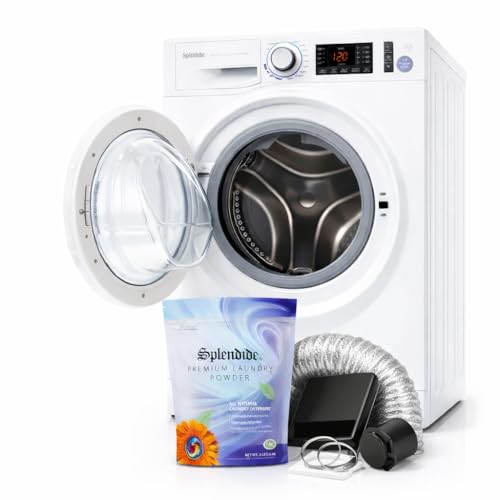 GENERIC Splendide Washer Dryer Combo for RV – Vented 15lb All-in-One…
View on Amazon ↗
Listing names and images come from Amazon and are rechecked against the live listings; last checked Nov 8, 2026. No prices shown; the current price is on the listing.
About this guide. This guide draws on general knowledge of how washer dryer combos work across vented, condenser, and heat pump designs. I did not inspect any individual model, read its reviews, or run tests, so drying times and capacities will vary by listing. Always check the manufacturer's stated dry time, load ratings, and electrical requirements before you order.