Focus on packed weight, usable floor space, and weather protection. Solo hikers and thru hikers can accept a cramped, delicate single wall shelter to save ounces. Weekend campers and beginners usually sleep better in a slightly heavier double wall tent with more headroom. The main tradeoff is weight against comfort and durability.
Packed Weight Sets the Baseline
An ultralight tent should weigh under about 3 pounds packed. Many single wall models come in under 2 pounds, while double wall freestanding shelters often land between 2.5 and 4 pounds. Compare the listed minimum trail weight, which usually excludes stakes, stuff sacks, and guylines, because those add ounces.
For thru hiking or long solo trips, every ounce matters. A tent that is 12 ounces lighter saves noticeable energy over 2,000 miles. Weekend backpackers can afford a little more weight for easier pitching or more headroom. Check the packed size too, since a bulky tent eats space in a small pack even if it is light.
Do not confuse trail weight with packaged weight. Some listings show the tent body only, without the fly or poles. Ask the seller what the minimum trail weight includes, or check the manufacturer's site for a full breakdown.
Floor Space Decides If You Sleep
A solo backpacker can fit in a floor that is 84 to 88 inches long and 28 to 32 inches wide at the head. Taller hikers need to check the actual interior length, because a tapered footbox can leave your quilt touching wet walls. Two person tents usually run 84 to 90 inches long and 42 to 52 inches wide, but that width shrinks quickly at the shoulders.
Look at the floor shape, not just the square footage. A rectangular floor with vertical walls gives more usable space than a tapered or catenary cut floor. Sitting height matters too: a tent with a 40 inch peak lets you sit up comfortably, while a 36 inch peak feels like a bivy sack.
For family trips or winter camping with bulky gear, a true two person floor is a minimum. Beginners often buy a one person tent and then find there is no room for a pack inside. Consider whether you want your backpack under the vestibule or inside with you.
- Floor length and width at the shoulders, not just listed square feet
- Peak height for sitting up versus lying down only
- Vestibule size for storing a pack and wet shoes outside the inner tent
Weather Design: Single Wall or Double Wall
The biggest design split is between single wall and double wall tents. A single wall tent uses one layer of waterproof breathable fabric. It is lighter and pitches faster, but condensation collects on the inside and can drip on your sleeping bag in humid or cold conditions.
A double wall tent has a mesh or breathable inner tent plus a separate rain fly. The gap between the two layers lets moisture escape and keeps you drier. The cost is extra weight, more setup time, and a higher price for the same floor space.
For winter camping, a double wall tent with a solid inner fabric instead of full mesh blocks spindrift and holds more heat. For summer trips in dry climates, a single wall tent works well. Check the fly coverage too: a fly that reaches close to the ground protects better in wind driven rain than a short fly that leaves the inner tent exposed.
Trekking Pole vs Freestanding: The Pitch Decision
Many ultralight tents use your trekking poles as the main support, which saves the weight of dedicated poles. This works well if you already carry trekking poles and camp on soft ground where you can stake securely. On rocky or sandy ground, getting a taut pitch can be frustrating.
A freestanding tent uses its own pole set and can stand without stakes, which helps on tent platforms or hard packed soil. It is heavier and often costs more, but beginners usually find it easier to set up correctly the first time. Some freestanding models still need stakes for the vestibule and rain fly.
Ask yourself where you actually camp. If your trips include desert slickrock, granite basins, or developed campgrounds with tent pads, a freestanding design saves time and frustration. If you hike on soft forest duff and want the lightest possible load, a trekking pole shelter makes sense.
Floor and Fly Fabrics: The Real Durability Story
Fabric denier is the number to check. A 10D or 15D nylon floor is light but punctures easily, so it often needs a separate footprint or careful site selection. A 20D or 30D floor resists abrasion better but adds weight. The same logic applies to the fly: a 7D or 10D fly saves ounces but tears more easily in storms or when rubbing against branches.
Coatings matter more than the base fabric in many cases. Silicone coated nylon, often called silnylon, is strong for its weight and sheds water well, but it stretches when wet and can sag overnight. Polyurethane coated fabrics stretch less but are heavier and can degrade over time if stored damp. Some newer fabrics use a silicone and polyurethane blend to balance the two.
A footprint or groundsheet is a consumable worth considering. It protects the floor from punctures and dirt, and it is cheaper to replace than the tent floor. Some tents include one, but many sell it separately. For long term costs, factor in a footprint, replacement stakes, and possibly a repair kit for tears.
Condensation Is the Hidden Wetness Problem
Even a waterproof tent can leave you damp from condensation. Your breath and body release moisture overnight, and that moisture condenses on the inside of a single wall fly or on the underside of a double wall fly when the outside air is cool and still.
Good ventilation reduces condensation. Look for high and low vents, a gap between the fly and the ground, and mesh panels in the inner tent. A double wall tent keeps the condensation on the fly, away from your sleeping bag. In a single wall tent, you may need to wipe down the inside with a small towel in the morning.
Site selection changes condensation more than any feature. Camping under trees, near water, or in a meadow increases moisture. A breezy ridge or open area dries faster. If you often camp in humid valleys or along rivers, a double wall tent is worth the extra weight.
Reading a Listing: What to Check Before You Buy
Start with the minimum trail weight and what it includes. Then check the floor dimensions and the peak height. If the listing does not state the denier of the floor and fly, ask the seller, because that tells you how carefully you must treat the tent.
Look at the number of stakes required and whether they are included. A tent that needs 8 stakes for a full pitch but ships with 6 creates an immediate extra purchase. Check the packed size in its stuff sack, and verify that your trekking poles or the included poles fit the design.
Ask the seller about seam taping. A tent with taped seams is waterproof out of the box. A tent with untaped seams may require you to seal them yourself with a liquid sealant, which adds time and cost. Also ask whether the fly and floor are factory seam taped or need treatment.
For online listings, other camping gear guides can help you cross check weight and packed size claims against the rest of your kit.
Who Should Skip an Ultralight Tent
An ultralight tent is a poor choice for car camping, family base camps, or anyone who values standing room and durability over carried weight. A standard backpacking tent or a larger car camping tent costs less, lasts longer, and gives you space to sit out a rainstorm without touching wet walls.
Winter campers in deep snow or high wind need a four season tent with stronger poles, a solid inner, and a fly that reaches the ground. An ultralight three season tent can collapse under a heavy snow load. Solo backpackers who want a simple, fast shelter in mild weather are the core audience.
If you are a beginner, an ultralight single wall tent can be a rough introduction. The learning curve for a taut pitch, condensation management, and careful site selection is real. A slightly heavier double wall freestanding tent is more forgiving and still light enough for most weekend trips.
The Real Cost of Going Light
Ultralight tents often cost more than heavier tents with the same floor space. You pay for high denier fabrics, lighter pole materials, and simpler hardware. Some budget models save money by using cheaper fabrics that weigh more, which defeats the purpose.
Long term costs include a footprint, replacement stakes, and seam sealer. Silnylon flies need periodic rewaterproofing, and shock cord in poles loses stretch after a few seasons. These consumables are easy to overlook when comparing prices.
A budget ultralight tent can work for fair weather weekend trips, but it may not hold up to sustained rain or wind. If you hike mostly in dry conditions, a cheaper single wall tent is a reasonable entry point. If you plan to thru hike or camp in storms, spend more on a double wall tent with a durable floor.
Comparing the Main Design Types
| Design type | Typical weight | Condensation risk | Pitch effort | Suits |
|---|---|---|---|---|
| Single wall trekking pole | Under 2 lbs | High | Moderate | Thru hikers, dry climates |
| Single wall freestanding | 2 to 3 lbs | High | Easy | Solo hikers on rocky ground |
| Double wall trekking pole | 2.5 to 3.5 lbs | Low | Moderate | Humid or cold conditions |
| Double wall freestanding | 3 to 4 lbs | Low | Easy | Beginners, weekend trips |
The table groups the four common designs by weight, condensation risk, and pitch effort. Single wall trekking pole shelters are the lightest but demand careful site selection and tolerate condensation poorly. Double wall freestanding tents are the heaviest ultralight option but the most forgiving for new backpackers.
Your choice depends on where and when you camp. A humid forest or a rainy coast pushes you toward double wall. A dry desert or high alpine summer favors single wall. Match the design to your typical trip, not to the lightest number on the spec sheet.
Ultralight Tent Questions, Answered Plainly
Is an ultralight backpacking tent worth it for weekend trips?
For most weekend trips, a tent in the 3 to 3.5 pound range is light enough and more comfortable than a sub 2 pound shelter. The weight savings matter more on multi day trips or thru hikes where you carry the tent for many miles. If you camp one or two nights and value easy setup, a slightly heavier double wall tent is often the better value.
What is the lightest ultralight tent floor material that still lasts?
A 20D nylon or polyester floor with a silicone coating balances weight and puncture resistance for most hikers. A 10D or 15D floor is lighter but needs a footprint and careful site clearing. A 30D floor is more durable but adds ounces. Check the denier rating on the listing before you buy.
How do I stop condensation in a single wall tent?
You cannot eliminate condensation in a single wall tent, but you can reduce it. Pitch with the door facing the breeze, leave vents open, and avoid camping in low lying damp areas. Wipe the inside with a small microfiber towel in the morning. A double wall tent is the better choice if you camp in consistently humid conditions.
Can I use an ultralight tent in winter?
Most three season ultralight tents are not built for heavy snow or high wind. A four season tent with stronger poles, a solid inner, and a fly that reaches the ground is safer. For mild winter nights without snow load, a double wall three season tent with a solid inner panel can work, but check the pole diameter and fabric denier first.
Which is better for a beginner: trekking pole or freestanding tent?
A freestanding tent is easier for a beginner because it pitches the same way on any surface and does not require a perfect stake out. Trekking pole tents save weight but need practice to get a taut pitch, especially on hard ground. Start with a freestanding double wall tent and switch to a trekking pole shelter once you have more experience.
Which Ultralight Tent Fits Your Trail
A solo backpacker who hikes in dry weather and counts ounces should look at a single wall trekking pole shelter under 2 pounds. A beginner or a hiker who camps in humid forests and wants a dry, simple pitch should choose a double wall freestanding tent around 3 pounds. For that second buyer, the extra pound buys a dry inner tent and a setup that works on hard ground.
Real ultralight backpacking tent listings, so you can check the points in this guide against actual products. These are affiliate links: as an Amazon Associate we earn from qualifying purchases, at no extra cost to you.
 NATUREHIKE Naturehike Mongar 2 Person Backpacking Tent, 3 Season Camping Tent…
View on Amazon ↗
 CLOSTNATURE Clostnature 2 Person Lightweight Backpacking Tent, Camping Tent | Aluminum…
View on Amazon ↗
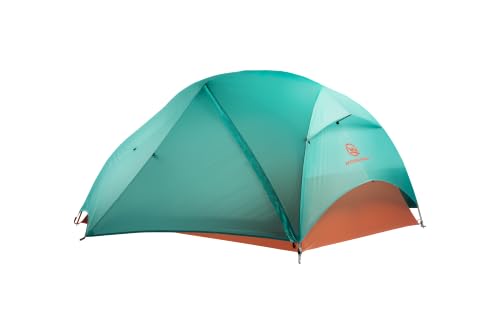 WINDQUESTER WindQuester UL Ultralight Backpacking Tent for 2 Person Camping |…
View on Amazon ↗
Listing names and images come from Amazon and are rechecked against the live listings; last checked Nov 8, 2026. No prices shown; the current price is on the listing.
What this guide is. This guide explains how to choose an ultralight backpacking tent from general category knowledge, not from testing individual models or reading owner reviews. No specific tent units were handled, so verify any listed weight, floor dimensions, or fabric denier on the product listing before you buy.