A sun visor extender works when it fits your existing visor firmly and covers the side gap you actually see through. For tall drivers or small cars, panel size and clamp depth matter more than tint darkness. The main tradeoff is between a large panel that blocks more sun and a compact one that stays out of your sight line.
Where the Glare Actually Comes From
Side glare is the main reason people buy a sun visor extender. Your factory visor swings to the windshield, but it leaves a gap between the visor edge and the door pillar. That gap is where low sun hits a driver in the eyes on early or late drives.
An extender clips or straps onto the factory visor and adds a second panel that can slide or flip toward the side window. Some designs also drop down to cover the top of the windshield, which helps tall drivers whose eye line sits above the stock visor.
Small cars often have shorter visors, so the gap is wider. A tall driver in a compact car gets the most benefit from a panel that extends sideways by several inches rather than one that only darkens the existing visor.
Clamp Fit Is the First Thing to Check
Most extenders use spring loaded clips that pinch the factory visor. If the clip is too narrow, it will not close over a thick visor. If it is too wide, it will slide around and drop the panel when you hit a bump.
Check the clamp opening on the listing. Many visors are between half an inch and one inch thick, but padded or wrapped visors run thicker. A clamp with a soft inner pad holds better on smooth vinyl and reduces the chance of the extender rotating out of place.
Some designs use an elastic strap instead of a clip. A strap fits a wider range of visor thicknesses, but it can loosen over time and needs to be pulled tight each time you reposition the panel. A strap is a better choice for a thick or oddly shaped visor, while a clip is faster to put on and take off.
Panel Size Changes What You See
A panel that is too small leaves the side gap open. A panel that is too large can block your view of the side mirror or oncoming traffic at intersections. The right size depends on your seat height and how close you sit to the steering wheel.
Look for a panel with a sliding or flip out extension. That lets you cover the side window when the sun is low and push it back when you are in traffic. A fixed panel offers no adjustment, so it either fits your sight line or it does not.
Tint darkness is less important than panel size. A dark tint that does not reach the gap is still useless. A lighter but larger panel blocks more actual glare because it covers the opening the sun is coming through. Check the tint rating only after you have confirmed the panel reaches the gap.
Attachment Depth and How It Holds Over Time
A clamp that only grabs the edge of the visor will pivot around that edge. That is why an extender can look level when you install it and then tilt down after a few miles. A deeper clamp that reaches farther onto the visor spreads the grip and holds the panel steadier.
Spring tension matters more than the number of clips. Two weak clips are worse than one strong one. You can compare the listed clamp width and depth, but the spring force is hard to judge from a photo. A design with a wide jaw and a padded surface is more likely to stay put.
Weight also works against you. A heavy panel on a thin visor pulls the whole visor down, which makes the original visor sag even when the extender itself is tight. Lighter panels made from thin polycarbonate or acrylic put less strain on the visor hinge.
Three Design Types and Where Each Fits
| Design type | Coverage | Fit on thick visors | Daily convenience |
|---|---|---|---|
| Clip on panel | Side gap only | Limited | Fast to install and remove |
| Strap mounted panel | Side and some front | Good | Adjustable but can loosen |
| Wide sliding panel | Side and front gap | Moderate | Best coverage, can sag |
| Flip down tinted sheet | Front top only | Good | Stays out of the way until needed |
A clip on panel is enough for a driver who only needs to block the side gap on a commute. A strap mounted panel suits a family car with thick padded visors that a clip cannot grip. A wide sliding panel helps a tall driver in a small car, but it needs a firm clamp to avoid sagging.
What to Check on the Listing Before You Buy
Start with the clamp opening range. If the listing does not state a maximum visor thickness, ask the seller before ordering. A return is more annoying than a quick message.
Check the panel dimensions, not just the product photos. A photo can make a small panel look large. Measure the gap between your factory visor edge and the door pillar while seated in your normal driving position, then compare that to the panel width.
Look at the attachment photos from the side. A shallow clamp that only covers the visor edge will pivot. A deep clamp that reaches halfway across the visor has a better chance of staying level.
If you have a visor with a built in mirror, garage door opener, or airbag warning label, make sure the extender does not cover something you use. Some panels block the mirror when flipped down, which is fine until a passenger needs it.
Mistakes That Send an Extender Back
Buying the darkest tint instead of the right size is the most common mistake. Darkness does not help if the panel does not reach the gap. Choose the panel that covers the opening first, then look at tint.
Ignoring the visor thickness is second. A clip made for a thin visor will not close on a thick padded one. Measure your visor with a ruler or a piece of string before you order.
Mounting the extender on the bottom edge of the visor makes the panel hang in your line of sight. Most designs work better on the top edge or the side edge, depending on where the glare comes from. Check the product photos for the intended mounting position.
Expecting one extender to work for both the driver and the passenger is another mistake. The side gap is on the left for the driver and the right for the passenger, so a panel that slides one way may not help the other seat. Buy two if both front seats need coverage.
Who Should Skip an Extender
If your factory visor already reaches the door pillar when swung to the side, an extender adds little. Some cars have a second small visor behind the main one that covers the side gap. Check for that before buying.
Drivers who mostly commute at midday or on north south routes rarely see low side glare. An extender would sit unused and block part of the side window. A pair of polarized sunglasses is a simpler solution for occasional glare.
If your visor is already sagging or broken, an extender adds weight and makes the problem worse. Fix the visor hinge first, or choose a standalone window shade that suctions to the glass instead.
Rideshare drivers who carry passengers in the front seat need to think about the passenger side too. A panel that blocks the passenger's view of the mirror can be unsafe. In that case, a window mounted shade that the passenger can adjust is a better choice than a visor extender.
Long Term Care and What Breaks First
The spring in the clamp is the first part to wear out. After a year of daily repositioning, the clip may lose tension and start sliding. A design with a replaceable strap lasts longer because the strap is easy to swap.
Heat is the second enemy. A car parked in the sun reaches high interior temperatures, which can warp a thin plastic panel or soften the clamp pads. Look for a panel made from heat resistant polycarbonate rather than cheap acrylic.
Clean the panel with a soft cloth and mild soap. Glass cleaner with ammonia can cloud some tinted plastics. If the panel scratches, the scratches catch light and make glare worse, so store the extender in a door pocket or glove box when not in use.
A panel that rattles against the visor is usually a sign of a loose clamp or a missing pad. A small piece of self adhesive felt on the clamp jaw can quiet it, but check that the clamp still closes fully afterward.
Sun Visor Extender Questions Worth Asking First
Is a sun visor extender worth it for tall drivers?
Usually yes. Tall drivers sit higher, so the factory visor often does not drop low enough to block the sun near the horizon. An extender with a flip down panel adds coverage below the visor line. The key is a panel that slides or flips, because a fixed panel can block the road when it is not needed.
Which sun visor extender fits a thick visor?
A strap mounted extender fits the widest range of visor thicknesses because the strap wraps around the visor instead of pinching it. For clips, check the maximum opening listed on the product page. A padded visor over one inch thick often exceeds a standard clip, so a strap or a wide jaw clip is safer.
What is the difference between a visor extender and a window shade?
A visor extender attaches to the factory visor and moves with it, so it stays out of the way when you do not need it. A window shade suctions or clings to the glass and stays in place. An extender is better for a driver who wants quick adjustment while driving. A shade is better for a passenger or a parked car.
Can a sun visor extender block the side mirror?
Yes, if the panel is too wide or mounted too low. A panel that slides toward the side window can cover part of the mirror when fully extended. Check the panel width against the space between your visor and the mirror, and choose a design that slides back toward the center when you are not fighting side glare.
How do I stop a sun visor extender from sliding down?
First, check that the clamp opening matches your visor thickness. If the clamp is too wide, it will slide. Tighten any strap or screw if the design has one. Adding a thin adhesive pad inside the clamp jaw increases friction. If the visor itself sags under the added weight, the extender is too heavy for that visor.
The Visor Extender Pick for Your Seat and Car
A driver who fights low side glare on a daily commute in a compact car should start with a strap mounted panel that slides toward the side window. It grips thick visors and covers the gap without blocking the mirror when pushed back. For a tall driver in a truck or SUV whose factory visor sits too high, a flip down tinted sheet that adds coverage below the visor line is the better choice.
Real sun visor extender listings, so you can check the points in this guide against actual products. These are affiliate links: as an Amazon Associate we earn from qualifying purchases, at no extra cost to you.
 VEHARVIM Veharvim Sun Visor Extender for Car (Polarized, UV400, PC Lens,…
View on Amazon ↗
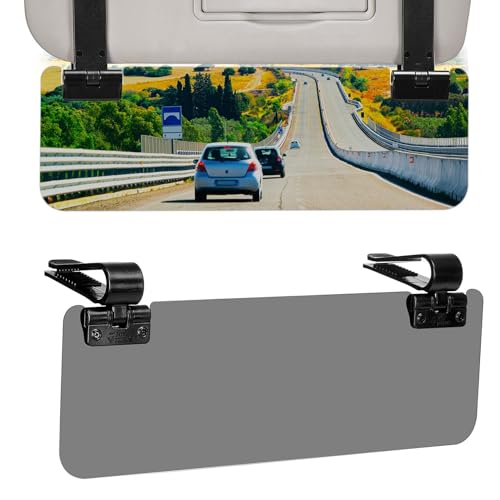 JOYTUTUS JOYTUTUS Sun Visor Extender for Cars, Polarized Sun Visor Extender…
View on Amazon ↗
 AUTIORA Sun Visor Extender for Car, Visor Extender Sun Blocker, Polarized…
View on Amazon ↗
Listing names and images come from Amazon and are rechecked against the live listings; last checked Nov 8, 2026. No prices shown; the current price is on the listing.
Scope and limits. This guide covers the sun visor extender category as a whole, not any individual model. It is written from general knowledge of how these products attach and perform, without reading product documents, reviews, or tests for specific listings. Check the clamp opening and panel dimensions on the product page before you order.