Focus on tip material, vibration strength, and water resistance. Soft silicone tips suit sensitive or fine hair, while firmer tips provide deeper stimulation for thick or curly hair. Manual massagers offer quiet, controlled pressure; vibrating ones add convenience but may tangle long hair. Choose water resistant models for shower use, and skip this tool if you have an active scalp condition or prefer fingertip control.
Tip Material Sets the Pressure
Silicone tips are the most common and the gentlest. They flex under pressure, so they rarely scratch or irritate a sensitive scalp. This makes them a safe first choice for fine hair or anyone new to scalp massage.
Plastic tips are firmer and provide a more noticeable scratch. They work well for medium density hair and scalps that want a stronger sensation without going too hard.
Metal or hard resin tips give the deepest stimulation. They can part thick or curly hair more easily and reach the scalp without snagging. Avoid them if your scalp is prone to redness or if you press hard, because they concentrate force on a small area.
Manual or Vibrating: Two Different Rhythms
A manual massager gives you full control over pressure, speed, and direction. It is silent, requires no batteries, and works in the shower without any electrical concerns. The tradeoff is that all the motion comes from your wrist, which can tire during a long session.
A vibrating massager does the movement for you. The motor adds a buzzing sensation that many people find relaxing and that can increase blood flow more than manual rubbing. However, vibration can tangle long or curly hair if the tips do not glide smoothly, and the motor may be too intense for a sensitive scalp.
Some vibrating models let you switch between intensity levels. Check whether the lowest setting is gentle enough for your scalp, because a fixed high vibration can feel harsh after a minute.
Shower Use Demands Water Resistance
| Design | Water resistance | Hair type | Main limitation |
|---|---|---|---|
| Manual silicone | Usually fully waterproof | Fine, sensitive, all lengths | No vibration, wrist effort |
| Manual plastic | Often water resistant | Normal, medium density | Harder tips may irritate |
| Vibrating silicone | Check IPX rating | Fine to medium, short to medium | Motor can tangle long hair |
| Vibrating hard tip | Rarely waterproof | Thick, curly | Too intense for sensitive scalps |
If you want to use the massager while shampooing, look for an IPX7 rating or a clear statement that it is fully submersible. A model labeled only water resistant may survive splashes but fail under a shower stream. For dry use only, water resistance does not matter.
Bristle Count and Shape Change the Feel
More tips spread the pressure over a wider area, which feels lighter on any single point. Fewer, longer tips concentrate pressure and can reach through thick hair to the scalp more directly.
Rounded tips feel softer than pointed or cone shaped tips, even when both are made of the same material. Pay attention to the tip profile in the listing photos. A wide, flat head covers more scalp at once, while a narrow head lets you target a small area like the temples or the base of the skull.
Hair Length and Texture Decide the Real Fit
For thick or curly hair, choose a massager with longer, widely spaced tips. Short, dense bristles will sit on top of the hair and never reach the scalp. A vibrating model may also tangle curls, so a manual firm tip design is often the safer pick.
For fine hair, soft silicone tips with moderate spacing prevent pulling. Avoid hard plastic or metal tips, which can scratch a thin scalp. A gentle vibration or pure manual pressure works well.
For short hair or a buzz cut, any tip length works, but you may prefer a firmer tip because there is no hair cushioning the scalp. A vibrating model feels more intense on bare skin, so test the lowest setting first.
For travel, a small manual silicone massager is the easiest choice. It packs flat, needs no batteries, and cannot leak or corrode. A vibrating model adds weight and a charging cable, which is a real tradeoff in a toiletry bag.
Beginners should start with a manual soft tip design. It teaches you how much pressure your scalp likes without the added variable of a motor. Once you know your preference, you can decide whether vibration adds anything.
What the Listing Often Hides
Check the tip material carefully. Some listings say silicone when the tips are actually TPR or a harder rubber blend. TPR is softer than plastic but firmer than true silicone and may feel tacky against wet hair.
Look for the weight of the massager if it vibrates. A heavy head can make your wrist tired after a few minutes, even though the motor does the work. For manual models, weight matters less because you control the pace.
Battery life is rarely stated for vibrating massagers, but a USB rechargeable model is easier to live with than one that takes coin cells. If the listing does not mention battery type or runtime, assume you will charge it often.
One marketing claim to ignore is that a scalp massager directly promotes hair growth. Massage can increase blood flow temporarily, but no massager alone has been shown to regrow hair. If hair growth is your goal, pair the massager with a medical treatment or see a dermatologist.
Cleaning and Long Term Care
Hair products, oils, and dead skin collect at the base of the tips. A massager with widely spaced, solid tips is easier to rinse clean than one with dense bristles or a hollow center.
For waterproof models, rinse under warm water after each shower use and let it air dry with the tips facing down. For non waterproof vibrating models, wipe the tips with a damp cloth and avoid getting water near the charging port or battery compartment.
Silicone tips can hold onto shampoo fragrance, but they do not absorb oils the way porous rubber does. If the tips start to feel sticky or discolored, that is a sign the material is breaking down and the massager should be replaced.
When to Skip a Scalp Massager
If you have an active scalp condition such as psoriasis, eczema, or open sores, a massager can irritate the skin and spread flakes. Fingertip massage or a soft brush designed for sensitive scalps is a better alternative.
If your main goal is detangling, a wide tooth comb or a wet brush does that job far better. A scalp massager is not designed to pull through knots and will only make them worse.
If you already get enough scalp stimulation from your fingers and want a simpler routine, you may not need a separate tool. A massager adds a step to your shower or evening routine, and for some people that step is not worth the benefit.
Scalp Massager Questions, Answered Without the Fluff
Is a scalp massager good for hair growth?
A scalp massager increases blood flow to the scalp, which may support a healthy environment for hair, but it does not directly regrow hair. Research on massage for hair loss is limited and mixed. If hair growth is your main goal, use the massager as a complement to medically proven treatments, not as a replacement.
Can I use a scalp massager in the shower?
Only if the listing clearly states it is waterproof or has an IPX7 rating. Many manual silicone massagers are fully waterproof and safe for shampooing. Vibrating models vary widely; some are water resistant but not submersible. Check the charging port and battery compartment before exposing any electric massager to water.
Which scalp massager is best for thick curly hair?
Look for a massager with long, widely spaced, firm tips. Soft dense bristles will not reach the scalp through thick curls. A manual design is often better than a vibrating one because vibration can tangle curly hair. Metal or hard resin tips provide the deepest reach but should be used with light pressure.
Does a vibrating scalp massager work better than a manual one?
Not necessarily. Vibration adds a motorized sensation that some people find more relaxing and that may increase blood flow slightly more than manual rubbing. But it also adds weight, noise, and the risk of tangling long hair. A manual massager gives you precise pressure control and never needs charging. The better choice depends on whether you want hands free motion or in person control.
What is the difference between silicone and plastic tips?
Silicone tips are softer, more flexible, and gentler on sensitive or fine hair. Plastic tips are firmer and provide a stronger scratching sensation that works well for medium density hair. Silicone is also more durable in wet conditions and less likely to harbor bacteria than porous plastic. If you have a sensitive scalp, choose silicone.
The Scalp Massager Pick for Your Hair and Shower
A person with fine or sensitive hair who wants a shower safe, low maintenance tool should choose a manual silicone massager with rounded, moderately spaced tips. It rinses clean, never needs charging, and avoids the overstimulation risk of hard tips. For someone with thick curly hair who struggles to reach the scalp, a firm tip manual massager with long, widely spaced bristles is the better pick. Heatless curling sets show a similar tradeoff between gentleness and grip for fine hair.
Real scalp massager listings, so you can check the points in this guide against actual products. These are affiliate links: as an Amazon Associate we earn from qualifying purchases, at no extra cost to you.
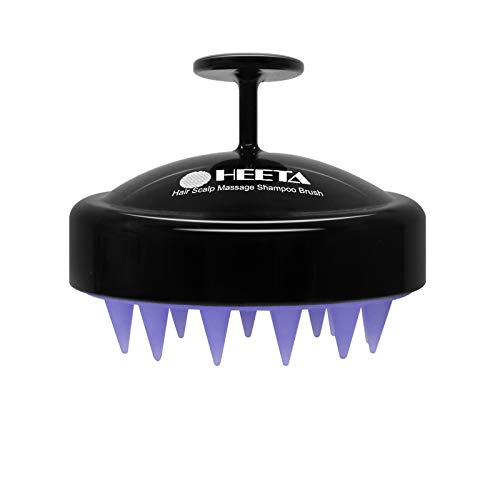 HEETA HEETA Scalp Massager Hair Growth Scrubber for Dandruff Removal Hair…
View on Amazon ↗
 MEARTCHY Meartchy Silicone Scalp Massager Shampoo Brush, Scalp Brush for Hair…
View on Amazon ↗
 INNERNEED One-piece Silicone Scalp Massager Shampoo Brush Hair Wash, Dark Green…
View on Amazon ↗
Listing names and images come from Amazon and are rechecked against the live listings; last checked Nov 8, 2026. No prices shown; the current price is on the listing.
About this guide. This guide is written from general knowledge about scalp massager designs and materials, not from testing individual models. Check the tip material, water resistance rating, and dimensions on any listing before buying.