A microcurrent face device works only if you can use it consistently, and that comes down to two tensions: intensity against skin comfort, and session length against your morning routine. Sensitive or reactive skin needs lower microamp levels and a gentler gel, while a sculpting focused user may accept a higher setting. The main tradeoff is lift versus comfort: devices that glide easily and run gentle sessions are easier to keep up, but may feel less dramatic than stronger units.
Intensity Is the First Comfort Filter
Microcurrent devices run at low levels, often in the hundreds of microamps, but a small difference changes how skin reacts. A unit that peaks near 200 microamps feels milder than one that reaches 400 or more. Check the listing for the highest setting and the number of levels.
Sensitive skin does better with a device that starts very low and steps up in small increments. Look for wording like adjustable intensity, low start, or a dedicated sensitive mode. If the listing only says high and low, assume the jump is large.
Higher current does not always mean better results. A level you can tolerate for a full session beats a stronger level you avoid after two uses. Consistency drives any visible change, so pick a device you will actually use three to five times a week.
The Conductive Gel Decides Half the Experience
Microcurrent needs a conductive medium between the metal and your skin. The gel or serum you use affects glide, how evenly current spreads, and whether your face feels tight or sticky afterward. Some devices include a starter gel; others leave you to buy one separately.
Look for a gel that is water based, fragrance free, and labeled for microcurrent or electrotherapy. Avoid thick creams or oils, which insulate the skin and make the current patchy. A gel with hyaluronic acid or aloe can feel calmer, but check the ingredient list if you react to preservatives.
Long term cost matters. A bottle lasts roughly one to three months with regular use, and a device that requires a proprietary gel locks you into that refill. Ask the seller whether any water based conductive gel works, or whether the warranty requires their formula.
Head Shape Sets Where the Current Actually Goes
The contact surface changes how the device feels and which areas it reaches. Metal ball probes concentrate current into small points, which can feel sharper but gives precise work along the jaw and brow. Roller heads spread the same current over a wider area, feeling smoother but less focused.
Flat plate heads sit between the two, with a larger contact patch than probes but firmer than rollers. A glove or pad design feels softest and covers a large area quickly, but the current disperses so the lift effect is usually mild.
Match the head to your face shape and patience. A narrow jaw or undereye hollows are easier to treat with probes. A wide cheek or forehead is faster with a roller or plate. If you travel, a compact single head is easier to pack than a multi attachment kit.
| Head type | Feel on skin | Reach | Lift strength | Suits |
|---|---|---|---|---|
| Metal ball probes | Firmer, more focused | Precise, small areas | Stronger per spot | Jaw, brow, undereye |
| Roller head | Smooth, even | Broad, fast | Gentler, diffuse | Cheeks, forehead, neck |
| Flat plate head | Moderate | Medium areas | Moderate | Full face, beginners |
| Glove or pad | Softest | Very broad | Mild | Sensitive skin, quick sessions |
A device with interchangeable heads gives flexibility but adds cost and storage. A single fixed head is simpler and often cheaper, but limits where you can work comfortably.
Session Time Is the Real Commitment
Most microcurrent routines take between five and twenty minutes. A device that needs fifteen minutes per area will not fit a busy morning, no matter how good it feels. Check the listing for the recommended full face session time, not just the per area time.
Short sessions favor devices with larger heads or a guided timer that moves you through zones. Longer sessions are more common with smaller probes, which cover less area per pass. If you only have five minutes, a roller or plate design finishes a basic pass faster.
Some devices beep or vibrate when it is time to move to the next zone. That feature matters more than extra intensity levels if you tend to lose track of time.
Reading a Listing Before You Buy
Start with the microamp range and the number of intensity levels. A listing that does not state the microamps is hiding the one spec that matters most. Ask the seller for the highest output and the lowest setting.
Next, check what comes in the box: conductive gel, storage pouch, charging cable, and whether the device is rechargeable or takes batteries. A rechargeable unit with a USB-C port is easier for travel, but a battery model avoids a dead device when you forget to charge.
Look for the treatment time per session and the recommended frequency. If the brand suggests daily use, the device is likely lower intensity. If it suggests two or three times a week, expect a stronger current. Both can work, but the schedule must fit your life.
Ask about the gel compatibility and whether the device shuts off automatically after a set time. An auto shutoff prevents overuse, which matters if you have sensitive skin.
Who Should Skip Microcurrent Altogether
Microcurrent is not for everyone. If you have a pacemaker, an implanted defibrillator, epilepsy, or are pregnant, skip this device type unless your doctor clears it. The current is low, but it is still an electrical signal near the face and neck.
Active breakouts, open wounds, or a recent facial surgery also argue against microcurrent. The conductive gel and the massage motion can spread bacteria or irritate healing skin. Wait until the skin is intact.
If you want a dramatic, immediate lift for an event, microcurrent will likely disappoint. Results are subtle and build over weeks. A LED face mask for calmer, clearer skin or a frozen facial roller for depuffing may fit a one day need better.
Travel and Storage Change the Choice
A microcurrent device for a carry on needs to be small, light, and either USB-C rechargeable or battery powered. Check the dimensions and weight. A device over six inches long or with a bulky charging dock is annoying to pack.
The gel is the bigger travel problem. Most conductive gels come in bottles over three ounces, which cannot go in a carry on. Look for a travel size gel or a device that works with a thin serum you can decant. TSA rules apply to gels, not the device itself.
A hard case or a cap for the head prevents the metal contacts from scratching other items. If the device has a storage pouch, check whether the head is protected or just covered.
Mistakes That End the Habit in Two Weeks
The most common mistake is buying the strongest device on the first try. A high microamp unit feels impressive in a demo but stings or leaves skin red at home. Start with a lower or adjustable model.
Another mistake is ignoring the gel. A cheap or thick gel makes the device drag, the current patchy, and the session twice as long. The gel is not an accessory; it is half the treatment.
Buying a device with a proprietary app or subscription is a trap if you just want a simple routine. A basic unit with manual controls and no app is easier to keep using. Skip the app unless you genuinely want guided sessions.
Home Spa Use Versus a Quick Morning Pass
If you want a home spa ritual, choose a device with multiple heads, a longer session time, and a rich conductive gel. The extra steps feel indulgent when you have twenty minutes on a Sunday evening.
For busy mornings, choose a single head, a five to ten minute session, and a gel that dries quickly or leaves no residue. A device that beeps when you move to the next zone keeps you on schedule.
Sensitive skin reviews often mention the gel more than the device. A fragrance free, low residue gel can make a stronger device tolerable, while a heavily scented gel can make a mild device sting. Pair the two as a set, not separately.
Microcurrent Device Questions Before You Commit
Is microcurrent face device safe for sensitive skin?
Yes, if you choose a device with a very low starting intensity and a fragrance free, water based conductive gel. Start on the lowest level and use it for half the recommended time for the first week. Stop if you feel stinging, see redness that lasts more than an hour, or develop small bumps. A roller or pad head feels gentler than metal probes.
What is the best microcurrent level for beginners?
A beginner should look for a device that starts under 200 microamps and offers at least three intensity steps. That allows a gentle introduction and room to increase as skin adapts. Avoid devices with only a high and low setting, because the jump between them is often too large for a first time user.
How often should I use a microcurrent face device?
Most brands recommend three to five sessions per week for the first month, then two or three times per week for maintenance. A lower intensity device may be labeled for daily use. Consistency matters more than frequency, so pick a schedule you can keep for at least eight weeks before judging results.
Can I use aloe vera gel instead of conductive gel?
Pure aloe vera gel can work in a pinch because it is water based and conductive, but it may dry out faster than a purpose made microcurrent gel. Check that it does not contain alcohol, thickeners, or oils, which reduce conductivity. For regular use, a gel labeled for microcurrent or electrotherapy gives more even results.
Which is better for travel, a microcurrent device or a facial roller?
A microcurrent device with a USB-C charge and a small head packs easily, but the conductive gel is the limiting factor for carry on luggage. A jade roller bought by stone alone needs no gel and no charging, so it is simpler for a short trip. If you want the microcurrent effect, decant gel into a TSA approved container.
The Microcurrent Pick for Your Morning and Skin
Someone with normal to slightly sensitive skin who wants a five minute morning routine should start with a roller head device that stays under 300 microamps and includes a basic conductive gel. That combination is gentle enough to use daily and fast enough to keep up. If your main goal is a sharper jawline or brow lift and you do not react easily, choose a metal probe device with adjustable intensity and be ready for a longer, more focused session.
Real microcurrent face device listings, so you can check the points in this guide against actual products. These are affiliate links: as an Amazon Associate we earn from qualifying purchases, at no extra cost to you.
 YAWPIG Microcurrent Facial Device - Electric Face Lifting & Toning for…
View on Amazon ↗
 HUNVVA Microcurrent Facial Device,Latest Red Light Technology,Enhances The Ability to Lift…
View on Amazon ↗
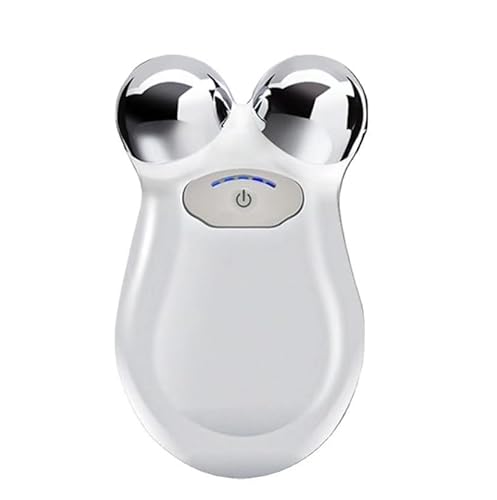 WINB Microcurrent Facial Device,Enhances The Ability to Lift The Face and…
View on Amazon ↗
Listing names and images come from Amazon and are rechecked against the live listings; last checked Nov 8, 2026. No prices shown; the current price is on the listing.
Scope and limits. This guide covers microcurrent face devices as a category, not any individual model. It is written from general knowledge of how these devices work; no product documents, owner reviews, or in person tests were used, so confirm exact microamp levels and dimensions on the listing.