Beam shape and weight decide most of your comfort on night runs. A focused center with a wide spill keeps your feet and the path ahead visible. Trail runners need more brightness and a secure strap, while road runners can trade lumens for a lighter unit. The main tradeoff is battery size against weight you feel on your forehead.
Where You Run Changes the Beam
Road runners want a beam that lights the pavement directly ahead without blinding oncoming traffic. Look for a shape that casts a defined pool about 10 to 15 feet in front of you. A softer spill on the sides helps you see curbs and puddles.
Trail runners need more throw and a wider spill. Roots, rocks, and switchbacks appear suddenly. A beam with a bright center and a broad halo lets you scan the next few steps while still seeing the turn ahead.
Check the listing for beam angle or a diagram. A narrow spot beam is fine for straight roads but frustrating on winding singletrack. A flood beam alone washes out depth and makes small obstacles harder to judge.
Weight and Strap Fit Decide Comfort
A headlamp sits on your forehead or over a cap for an hour or more. Every ounce matters when you are bouncing. Units with the battery in the front housing tend to feel heavier and can slide down on descents.
A rear battery pack shifts weight off your forehead but adds a cable and a second strap. This often feels more stable for long trail runs. The tradeoff is more pieces to adjust and a slightly more involved setup.
Strap design matters as much as weight. A wide, soft band with a silicone grip strip stays put when you sweat. A thin elastic band may dig in after 30 minutes. Look for a top strap on heavier units, which reduces bounce.
Battery Styles and Runtime Claims
Most running headlamps use a built in lithium ion battery charged by USB-C. These are light and simple. You cannot swap in a fresh cell mid run, so plan around the stated runtime.
Some units take replaceable batteries, often AAA or a rechargeable cell. This adds flexibility for multi hour outings but usually increases weight. Check whether the runtime claim is for the highest setting or a dim eco mode.
Cold weather cuts battery capacity. If you run through winter, expect shorter runtimes than the listing suggests. A headlamp that lasts a stated 8 hours on medium may drop to 5 hours near freezing.
| Battery style | Weight feel | Runtime flexibility | Suits |
|---|---|---|---|
| Built in lithium ion | Lightest | Recharge only | Short to mid road runs |
| Rear battery pack | Balanced | Longer runtime | Trail runs and ultras |
| Replaceable cells | Heavier | Swap anytime | Remote or cold outings |
A rear battery pack often has the longest runtime because the cell can be larger without pulling the front down. But the cable and extra strap are one more thing to manage when you are tired.
Brightness You Actually Use
Lumens sell headlamps, but most runners use only two or three settings. A low mode around 50 to 100 lumens is enough for streetlit roads. A medium of 200 to 300 lumens covers dark paths.
Trail runners may push 400 lumens or more on technical descents. High output drains the battery quickly and can wash out contrast on wet rock. A headlamp that lets you jump between modes easily is more useful than one with a blinding max setting.
Ignore marketing that focuses on a single peak lumen number. Check whether the light has a regulated output, meaning it holds brightness as the battery drains. Unregulated units get dimmer over the run.
Controls You Can Use Mid Stride
Gloves, sweat, and tired fingers make tiny buttons frustrating. Look for a single large button or a clearly separated pair. You should be able to switch between high and low without stopping.
A lockout feature prevents the headlamp from turning on in your bag and draining the battery. This matters for runners who toss the light into a pack after dawn. Some units require a long press or a double tap to unlock.
A red light mode is useful for pre dawn starts when you want to preserve night vision or avoid blinding other runners. Not every runner needs it, but it is a practical extra for group runs.
Weather and Sweat Resistance
Running headlamps face rain, sweat, and sometimes a drop onto gravel. Look for an IPX rating. IPX4 handles splashes and sweat. IPX7 survives a brief dunk, which is reassuring if you run near water.
The battery compartment and charging port are the weak points. A rubber cover over the USB-C port should seat firmly. Dust and grit can work into the hinge over time, so check that the cover feels secure.
Hot weather adds sweat and salt. A headlamp with a sealed housing and a wipeable strap will last longer. After a humid run, dry the unit and the charging port before plugging it in.
Who Should Skip a Running Headlamp
If you mostly walk on lit streets, a small handheld flashlight or a chest light may feel more natural. A headlamp bounces with every stride and some people find the beam movement distracting.
Cyclists should not use a running headlamp as their main light. The beam is not shaped for speed and the mount is not secure enough for road vibration. A bike specific light is the safer choice.
Runners who only go out at midday or on a treadmill do not need to carry a headlamp. A reflective vest or clip on light might cover the rare evening jog without the forehead weight.
Long Term Costs and Care
A built in battery degrades over a few hundred charge cycles. After two or three seasons of regular use, runtime may drop noticeably. Check whether the battery is user replaceable or requires a whole new unit.
Straps absorb sweat and start to smell. Many headlamps let you remove and hand wash the band. Let it dry fully before reattaching. Wipe the housing with a damp cloth and avoid solvents that can cloud the lens.
Replacement parts like USB-C cables are cheap, but a cracked housing or a failed battery often means the headlamp is done. A mid range light that you replace every few years can be cheaper than a premium one you try to keep alive.
Running Headlamp Questions Before You Buy
How many lumens do I need for trail running at night?
For most technical trails, 200 to 400 lumens on the medium setting is a practical range. Higher output helps on fast descents but drains the battery quickly and can wash out depth on wet surfaces. A wider spill matters more than peak lumens for spotting roots and rocks at your feet.
Is a rear battery pack better than an integrated one?
A rear battery pack moves weight off your forehead and often allows a larger cell, which extends runtime. The cost is a cable and a second strap to manage. For long trail runs or ultras, the stability and runtime usually win. For short road runs, an integrated battery feels simpler and lighter.
Can I use a running headlamp in the rain?
Check the IPX rating. IPX4 handles sweat and light rain. IPX7 means the unit can survive a brief dunk. Even a water resistant headlamp should be dried before charging, especially around the USB-C port. Salt from sweat can corrode contacts over time, so wipe the unit after humid runs.
What makes a headlamp bounce less when I run?
Weight and strap design are the main factors. A lighter front housing bounces less. A wide band with a silicone grip strip stays put on sweaty skin. Heavier units benefit from a top strap that runs over the crown of your head. A rear battery pack also reduces forehead bounce.
Which is better for road running: a spot or flood beam?
A spot beam with a moderate spill is better for roads. It lights the pavement ahead without blinding oncoming traffic. A pure flood beam scatters light too broadly and makes potholes harder to judge. Look for a defined center pool that reaches about 10 to 15 feet in front of you.
A Running Headlamp That Fits Your Night Miles
A road runner doing 30 to 45 minute loops on paved paths needs a light integrated unit with a focused beam and a soft spill. Pick something under 3 ounces with a wide silicone strap. A trail runner tackling rocky singletrack after dark should choose a rear battery pack with at least 300 lumens on medium and a top strap. That second setup adds weight and a cable, but it keeps the light steady on descents and lasts through long outings. Skip the rear pack only if your runs stay under an hour.
Real running headlamp listings, so you can check the points in this guide against actual products. These are affiliate links: as an Amazon Associate we earn from qualifying purchases, at no extra cost to you.
 LHKNL LHKNL Headlamp Flashlight, Lumen Bright Head Lamps LED Rechargeable Camping…
View on Amazon ↗
 BIAT Headlamp Rechargeable, 230° Wide Beam Head Lamp LED with Motion…
View on Amazon ↗
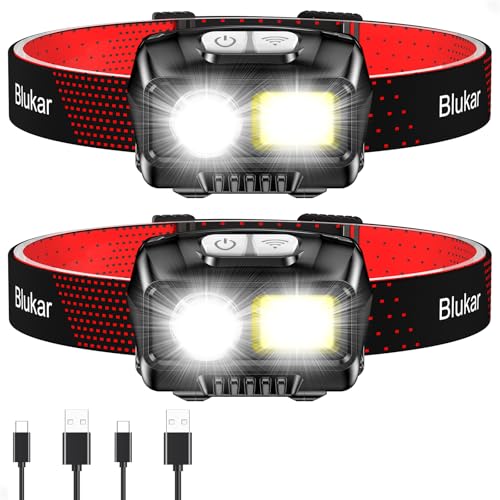 BLUKAR Blukar LED Headlamp Rechargeable, 2000L Super Bright Headlight Flashlight |…
View on Amazon ↗
Listing names and images come from Amazon and are rechecked against the live listings; last checked Nov 8, 2026. No prices shown; the current price is on the listing.
About this guide. This guide is written from general knowledge of how running headlamps are designed and used, not from testing individual models. It cannot tell you whether a specific listing has a weak hinge or an overstated runtime, so check the beam diagram and IPX rating on the product page before you buy.