Start with the wall surface and the direction the camera must turn. A horizontal wedge shifts the view left or right, while a vertical wedge tilts it up or down. Match the wedge material to the wall: plastic for flat siding, metal or dense plastic for brick. The main tradeoff is viewing angle versus mounting security, since steeper wedges can loosen over time.
The Wall Decides the Mount
Check the surface before the angle. Flat wood or vinyl siding accepts most wedges, including adhesive backed ones. Brick, stone, or stucco has a rough, uneven face that needs a wedge with a deep, rigid back plate and screw holes. A thin plastic wedge pressed against brick leaves gaps, and the camera can wobble in wind or when a door slams.
On a rental apartment wall, damage matters. Adhesive strips can pull paint or leave residue. Screws leave holes that need patching. A wedge that clamps around the doorbell or uses a no drill mount may be a better fit. Compare the listing's mounting instructions to what the lease allows.
Outside gates and shaded porches add weather. The wedge should be made of UV stable plastic or coated metal so it does not fade or crack. Check that the screw holes are sealed or recessed so water cannot pool behind the doorbell.
Horizontal Versus Vertical Aim
A horizontal wedge rotates the doorbell left or right. This helps when the doorbell sits beside a walkway and the camera points at a wall instead of the path. A vertical wedge tilts the camera down, which is useful when the doorbell is mounted high or when you want to see packages on the ground. Some wedges combine both directions, but each added angle makes the mount stick out farther from the wall.
The amount of turn is usually listed in degrees, often 15, 30, or 45. A larger angle changes the view more, but it also moves the camera's motion detection zone. A doorbell angled too far sideways may miss a person standing directly in front of the door. A doorbell angled too far down may catch the porch floor instead of a visitor's face.
Narrow door frames limit how far the wedge can extend sideways. If the frame is only a few inches wide, a 45 degree horizontal wedge may push the doorbell into the trim or block the button. Measure the flat space around the doorbell before choosing the angle.
Material and Long Term Hold
Most wedges are plastic, metal, or a mix. Plastic is light and inexpensive, but thin plastic can flex and crack in cold weather. Thicker, glass filled plastic holds screws better. Metal wedges, often aluminum, are stiffer and resist warping in sun, but they can scratch the doorbell or wall if not padded.
The mounting hardware matters as much as the wedge itself. Long screws with coarse threads grip brick and stucco better than short, fine thread screws. Wall anchors add hold in drywall or hollow siding. If the wedge uses adhesive, check the listed weight limit and surface compatibility. Adhesive fails on dusty, textured, or cold surfaces.
A wedge that is too light for the doorbell can sag over time. The doorbell itself has weight, and a wedge with a thin neck or small mounting plate may droop, changing the aim. Look for a wedge with a full back plate that spreads the load across the wall.
Fitting the Wedge to Your Doorbell Model
Not every wedge fits every Ring doorbell. The screw pattern and the cutout for the wiring must match. Check the listing for a compatibility list or a diagram of the mounting holes. A wedge made for a battery powered model may not fit a wired model with a different base shape.
If the wedge has a built in level or a bubble vial, that helps during install. Some wedges include a foam gasket or a rubber pad that fills the gap between the wedge and the wall, which keeps water and insects out. A wedge with a hollow back can collect moisture, so a sealed design is better for shaded porches.
Mistakes That Create a New Blind Spot
The most common mistake is buying the largest angle available. A 45 degree wedge may turn the camera past the walkway, so the entry itself is off screen. The right angle depends on how far the doorbell sits from the path, not on a guess.
Another mistake is mounting the wedge with only the top screws. The bottom of the wedge can lift away from the wall, especially on brick. Use all the screw holes and, if the wedge has a level, check it after tightening.
Skipping the cable routing causes a different problem. If the wedge does not have a channel for the doorbell's wires, the wires can be pinched or exposed. A pinched wire can cause power loss or a short. Look for a wedge with an open channel or a knock out for the wiring.
When a Wedge Is Not the Fix
A wedge only changes the camera's aim. It cannot fix poor Wi-Fi, a weak battery, or a camera that is too far from the door. If the view is blurry or the motion alerts are delayed, a wedge will not help.
If the doorbell is mounted on a very uneven surface, like a rough stone wall, a wedge may not sit flat even with screws. A mounting plate with adjustable feet or a spacer might work better than a wedge.
For a rental apartment where no holes are allowed, a wedge that requires screws may not be an option. A no drill mount that uses a bracket around the doorbell or a strong adhesive may be the only choice, but check the doorbell's weight against the adhesive rating.
Reading the Listing Before You Buy
Check the angle direction and degrees first. The listing should state whether the wedge tilts horizontally, vertically, or both, and by how much. If the degrees are not listed, ask the seller. A vague description often hides a wedge with a very small or very large angle.
Check the compatibility list. The wedge should name your doorbell model or show a diagram of the mounting hole pattern. If the listing only says 'fits most Ring doorbells', that is a warning sign. Measure your doorbell's base and compare it to the wedge's dimensions.
Check the included hardware. The listing should say whether screws, anchors, and a level are included. If the wedge is sold alone, you may need to buy longer screws for brick or anchors for drywall. Ask the seller about the screw length and material if the listing is unclear.
| Wedge style | Angle control | Wall fit | Best for |
|---|---|---|---|
| Flat adhesive | Small, fixed | Smooth siding | Quick, no drill install |
| Screw on angled | 15 to 45 degrees | Brick, stucco | Permanent, stable aim |
| Adjustable joint | Fine tune | Most surfaces | Odd angles, future changes |
| Vertical tilt | Downward only | High mounts | Seeing packages below |
Care and What Wears Out
A wedge itself needs little care. Wipe it down when you clean the doorbell. Check the screws twice a year, especially after a cold winter or a hot summer, since the wall can expand and contract. Tighten any loose screws before the wedge shifts.
Adhesive backed wedges do not last forever. The adhesive can dry out and fail after a few years, especially in sun or rain. If the wedge starts to pull away, replace the adhesive strip or switch to screws before the doorbell falls.
The long term cost is usually just a replacement wedge if the angle needs to change. If you move the doorbell or the walkway changes, a new wedge with a different angle may be needed. Some adjustable wedges let you change the angle without buying a new one, which can be cheaper over time.
Ring Doorbell Wedge Questions, Answered
How do I know if I need a horizontal or vertical angle wedge?
Stand where a visitor would stand and look at the current camera view in the Ring app. If the view misses the walkway or the door, a horizontal wedge shifts it sideways. If the view misses the ground or packages, a vertical wedge tilts it down. If both are off, look for a wedge with both adjustments.
Will a wedge work on a brick wall?
Yes, if the wedge has a rigid back plate and screw holes. Brick has a rough surface, so a flat adhesive wedge will not hold. Use the included anchors or buy masonry anchors, and drill pilot holes with a masonry bit. Tighten the screws slowly so the wedge sits flat against the brick.
Can I install a wedge without drilling holes?
Some wedges use strong adhesive strips or a clamp that wraps around the doorbell. These work best on smooth, clean, flat surfaces. On brick, stucco, or textured siding, adhesive usually fails. Check the doorbell's weight against the adhesive's rated limit before relying on it.
Does a wedge affect motion detection?
Yes. Changing the camera's angle changes where the motion zones point. A wedge that turns the camera sideways may miss motion directly in front of the door. After installing the wedge, open the Ring app and adjust the motion zones to match the new view.
What angle wedge do I need for a narrow door frame?
Measure the flat space beside the doorbell. A wedge that extends too far sideways can hit the trim or block the button. A 15 degree wedge is usually safer than a 45 degree wedge on a narrow frame. Check the wedge's width and depth against your measurement before buying.
Which Ring Doorbell Wedge to Get
A renter with a smooth door frame and a doorbell that points slightly off the walkway should pick a small, screw on horizontal wedge with a 15 or 30 degree angle. It shifts the view without sticking out too far. A homeowner with a brick wall and a high mounted doorbell needs a vertical tilt wedge with masonry anchors, since that setup only works with a rigid, drilled mount. Skip the adhesive wedge on brick entirely.
Real ring doorbell angle wedge listings, so you can check the points in this guide against actual products. These are affiliate links: as an Amazon Associate we earn from qualifying purchases, at no extra cost to you.
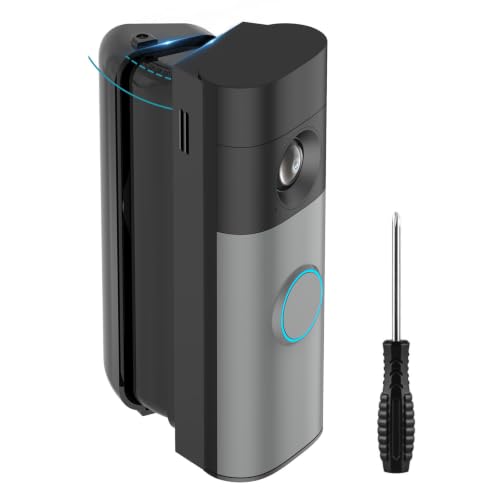
Listing names and images come from Amazon and are rechecked against the live listings; last checked Nov 8, 2026. No prices shown; the current price is on the listing.
What this guide is. This guide is written from general knowledge of doorbell mounts, wall materials, and camera aiming, not from testing individual wedges. It cannot confirm whether a specific listing fits your doorbell model or wall, so check the dimensions and compatibility details on the product page.