Attachment style, lens types, and optical quality decide most phone lens kit results. A clip on mount is fastest but can slip or fight thick cases. A case specific mount stays aligned but locks you to one case. Macro and wide lenses earn their space for product and travel work; a telephoto often disappoints. Buy for the one or two shots you actually miss, not the full bundle.
Attachment Style Sets the Limits
A phone lens kit is only as steady as its connection to the phone. The mount decides whether the lens stays centered over the main camera, whether it works with your case, and how many seconds you lose between shots. Most frustration with these kits traces back to the mount, not the glass.
Universal spring loaded clips are the most common style. They clamp onto the phone body and work across brands and case thicknesses within a stated range. The weakness is repeatability: every clip lands slightly differently, so you recenter the lens each time. A clip can also press against side buttons or interfere with a screen protector.
Case specific mounts solve alignment by design. The lens or mounting plate snaps into a matching case made for your exact phone model. The lens sits over the camera every time. The tradeoff is lock in: you must use that case, and the kit dies with your phone upgrade. Buying a case specific kit also means checking case availability for your exact model before ordering.
Magnetic ring systems sit between the two. A thin metal ring sticks to the phone or case around the camera, and the lens attaches magnetically. Recentering is easier than with a clip, but the bond is weaker. A hard bump can knock the lens off. This style suits staged product shots and tabletop video more than walking around a market.
Filter mount systems treat the phone like a small camera. A case or clip holder accepts threaded filters and lenses, often in a standard size such as 37 mm. You can stack an ND filter with a lens and swap quickly. The setup is bulkier and more expensive, and the holder itself becomes a permanent accessory on the phone.
The Lenses You Will Actually Use
Kits bundle lenses to look generous, but one or two lenses do most of the work. Think about the shot you cannot get with the built in camera. That missing shot should name the lens you buy.
A wide angle lens is the most practical addition for travel and tight rooms. It expands the frame enough to capture a full building facade or a group at a table without stepping back. Expect some softness at the edges and a slight curve to straight lines. A fisheye is a more extreme version that creates a circular, distorted look, fun for content but tiring as a main lens.
A macro lens changes what your phone can photograph. It lets you focus a few centimeters from a subject, which turns product details, textures, and small objects into sharp close ups. For product videos and detail shots, this is often the most used lens in the box. It also forces you to hold the phone very still or use a small tripod.
Telephoto lenses in phone kits are the weakest link. Phone camera sensors are small, and adding a cheap telephoto lens usually magnifies blur and cuts light. The result is often worse than using the phone's built in zoom or cropping afterward. Treat a bundled telephoto as a bonus, not a reason to buy.
Specialty lenses such as anamorphic or kaleidoscope filters are for a specific look. An anamorphic lens adds horizontal flares and a wide cinematic frame, popular with music video and TikTok creators. These lenses cost more and take practice. Buy one only after the basic wide and macro needs are covered.
Pay attention to lens diameter and whether the lens covers the main sensor without vignetting. Larger glass generally passes more light and gives a sharper image, but it is heavier on the mount. A lens that covers only part of the sensor creates dark corners, a problem that shows up more on phones with large camera bumps.
Glass Quality Shows in the Edges
The difference between a crisp shot and a hazy one often comes down to coatings and edge sharpness. Multi coated glass reduces reflections and flare when you shoot toward a light source. Single coated or uncoated glass can wash out a backlit scene and add a ghost image.
Edge blur is the most common optical flaw in phone lenses. A lens may look sharp in the center and smeared at the corners, especially on wide angle lenses. Check sample images at full size if the seller provides them. If not, look for a stated glass type or coating in the listing and compare against kits in the same price tier.
Barrel distortion bends straight lines near the edges of a wide shot. Some distortion is unavoidable, but strong distortion turns architecture and product edges into curves. A lens with a longer focal length design shows less distortion, at the cost of a narrower field of view.
Plastic lens elements are lighter and cheaper, but they scratch more easily and soften detail. Glass elements hold up better and resist cleaning damage. A kit that mixes a glass primary element with plastic housing is a reasonable mid tier choice.
Case Fit and Phone Model Compatibility
Your phone case decides whether a clip on lens can even reach the camera. Thick protective cases, especially those with raised camera rings or built in stands, push the lens off center or block it entirely. Check the clip's maximum case thickness and compare it with your own case before buying.
For case specific kits, compatibility is exact. The kit lists supported phone models, and there is no room for a close match. A kit for last year's phone will not fit this year's model. If you upgrade your phone often, a universal clip or magnetic ring costs less to carry across devices.
Phones with large camera modules create a different problem. The lens must sit directly over the main sensor, but the raised camera bump can tilt the lens or create a gap. Some kits include a spacer or a dedicated mount that bridges the bump. Check the listing for mention of your phone model and camera layout.
If you use a folio case or a wallet case, most clip and magnetic mounts will not work well. The front cover gets in the way of the clamp, and the magnet may not hold through extra layers. In that situation, a filter mount system that replaces part of the case is the only practical option.
Buying Mistakes That Show Up in the First Week
The biggest mistake is buying a kit with five lenses when you will use one. A large bundle feels like value, but the extra lenses sit in a pouch. Spend the same money on a better two lens kit and you get sharper results.
Ignoring the case is the second mistake. A clip that works on a bare phone may not clear the lip of a rugged case. Measure your case or use the compatibility notes in the listing. Returning a kit because of a case mismatch is avoidable.
Expecting a telephoto lens to work like a camera zoom leads to disappointment. Phone telephoto attachments magnify the sensor's flaws, and the image gets soft and dark. If you need reach, move closer or crop in post. A telephoto attachment rarely earns its spot in the bag.
Buying the cheapest kit for a single trip is tempting, but the glass is usually uncoated plastic. The result is flare, haze, and edge blur that you will notice in every outdoor shot. A mid tier kit with a glass wide lens is the better floor.
Forgetting about lens caps and pouches is a small mistake with a long tail. A loose lens in a pocket scratches fast. A kit without a pouch or caps costs more in replacements than the small extra price for a protected set.
How to Read a Phone Lens Listing
Start with the mount description. Look for the exact words: spring clip, magnetic ring, case specific, filter thread. If the mount type is not stated, that is a red flag. Then check the compatibility list for your phone model and case thickness.
Look for the lens diameter and glass type. A listing that says 'multi coated optical glass' tells you more than one that says 'HD lens'. Multi coating is a real feature that reduces flare. If the listing avoids glass type and coating, the lens is likely plastic or single coated.
Ask the seller two questions before ordering. First, what is the maximum case thickness for the clip or mount? Second, does the lens cover the main wide sensor on your phone model without vignetting? A seller who cannot answer those questions is not one to buy from.
Check what is in the box: lens caps, a pouch, a cleaning cloth, and a clip or case mount. Missing caps is a sign the kit is built down to a price. Also confirm the return policy, because mount fit is hard to verify until the kit arrives.
Use Cases Change the Right Kit
TikTok and short form creators need speed and repeatability. A magnetic ring or case specific mount lets you swap lenses between takes without recentering. A wide lens opens up the frame for movement, and a macro lens adds close up b roll. Avoid a spring clip that shifts every time you tap the screen.
Travel photographers prioritize size and robustness. A two lens kit with a wide and a macro covers most scenes and fits in a jacket pocket. A universal clip works across a rental phone or a backup device. Leave the telephoto at home and use your feet.
Product video makers need a steady macro. A case specific mount keeps the lens aligned while you adjust the product. Pair the macro with a small tabletop tripod or a phone stand. A filter mount system adds the option of an ND filter to control light in a bright room.
Beginners should buy one lens first, not a kit. A wide angle lens is the safest starting point because it changes the frame in an obvious way. Learn how it distorts edges and where the sweet spot is before adding a macro. A single high quality lens teaches more than five mediocre ones.
Interviews and talking head video rarely need a lens kit. The built in wide camera already frames a seated person well. If you want a tighter frame, move the phone closer instead of adding a telephoto. Spend the lens budget on audio, such as a clip on mic, which changes interview quality far more. A phone gimbal also helps more than a lens when you need smooth motion.
- TikTok creators: magnetic or case specific mount for fast, repeatable swaps.
- Travel: two lens kit with wide and macro in a pocketable pouch.
- Product video: case specific macro plus a small tripod.
- Beginners: one wide lens to learn framing and distortion.
- Interviews: skip the lens kit and invest in audio or a gimbal.
Mount Style Compared at a Glance
| Mount style | Case fit | Alignment | Swap speed | Best for |
|---|---|---|---|---|
| Universal clip | Works with many cases up to stated thickness | Recenters each use | Slowest | Travel, backup phones |
| Magnetic ring | Thin cases or bare phone | Easy recentering | Fast | TikTok, staged shots |
| Filter mount system | Requires dedicated holder | Stable once set | Medium | Product video, filters |
| Case specific mount | Only the matching case | Repeatable every time | Fastest | Content creators, frequent use |
The table shows why mount style is the first decision. If your case is thick, a universal clip may not fit. If you shoot fast, a case specific mount saves seconds. Choose the mount that matches your case and shooting rhythm before comparing lenses.
Care, Cleaning, and Long Term Costs
Phone lenses are small and easy to scratch. Keep a lens cap on when the lens is not mounted, and store lenses in a padded pouch. A microfiber cloth and a blower brush handle dust without scratching the coating. Avoid wiping a dry lens with a shirt, which grinds dust into the glass.
The consumable cost is low: a cleaning cloth and lens caps wear out, and magnetic rings can lose their adhesive after repeated removal. A replacement ring is inexpensive. The bigger long term cost is the mount when you upgrade your phone. A case specific kit becomes useless with a new phone, while a universal clip carries over.
Moisture is the other enemy. If a lens fogs or gets wet, let it air dry fully before storing it. A sealed pouch with a silica gel packet prevents fungus on the glass in humid climates. Lenses that live in a bathroom or a car glovebox degrade faster.
Who Should Skip a Phone Lens Kit
If you shoot mostly in good light and your phone already has a solid wide and macro mode, a lens kit adds little. Many modern phones include a macro mode or a wide lens that covers the same ground with less hassle. Check what your phone already does before buying more glass.
If you hate carrying accessories, a lens kit will stay in a drawer. The kit only works when you remember it, mount it, and compose the shot. A phone with a capable built in camera is the better tool for that person.
If your main problem is shaky video, a lens will not fix it. The motion blur and wobble remain. A mobile gimbal addresses stability directly, and a selfie light improves the look of your face more than any lens. Audio is also a bigger upgrade for vloggers and interviewers: a clip on mic changes how people hear you.
For someone who wants better portraits, a lens kit is not the answer. Portrait mode on the phone already blurs the background using software. A lens attachment cannot improve that effect and may make it worse by softening the subject.
Phone Lens Questions That Come Up Before Buying
Is a phone camera lens kit worth it?
For a specific missing shot, yes. A wide lens or a macro lens changes what your phone can capture, and a good one costs less than a new phone. For general use, no: the built in camera already handles most scenes. Buy a kit only when you can name the shot you cannot get now.
Which phone camera lens should I buy first?
A wide angle lens is the safest first purchase. It visibly expands the frame for travel, groups, and tight rooms. If you shoot products or small details, a macro lens is the better first choice. Avoid starting with a telephoto, which often softens the image and adds little over the built in zoom.
Can I use a clip on lens with a phone case?
Sometimes. Check the clip's maximum case thickness against your case. Thin cases usually work, but rugged cases with raised lips or camera rings can block the lens or tilt it off center. For thick cases, look for a case specific mount or a filter mount system instead.
What makes a phone lens kit good for TikTok?
A mount that stays aligned between takes matters most. A magnetic ring or case specific mount lets you swap lenses quickly without recentering. A wide lens opens the frame for movement, and a macro lens adds detail shots. Avoid a spring clip that shifts every time you touch the screen.
Do phone lens kits work on all phones?
Universal clips work across many phones within a stated size range, but case thickness and camera placement can interfere. Case specific kits work only on the listed models. Always check the compatibility list for your exact phone and case before ordering.
The Phone Lens Kit to Pick for Your Shooting Style
A creator who shoots short form video several times a week and wants fast lens swaps should pick a case specific mount kit with a wide and a macro lens. The mount stays aligned, and the two lenses cover most content needs. A traveler who shoots in good light and wants one small accessory is better served by a universal clip kit with only a wide lens, leaving the macro and telephoto at home.
Real phone camera lens kit listings, so you can check the points in this guide against actual products. These are affiliate links: as an Amazon Associate we earn from qualifying purchases, at no extra cost to you.
 AILUN Ailun Phone Lens, 3 in 1 Clip on Fish Eye…
View on Amazon ↗
 MIAO LAB MIAO LAB 2-in-1 Phone Camera Lens Kit, 12.5X Macro +…
View on Amazon ↗
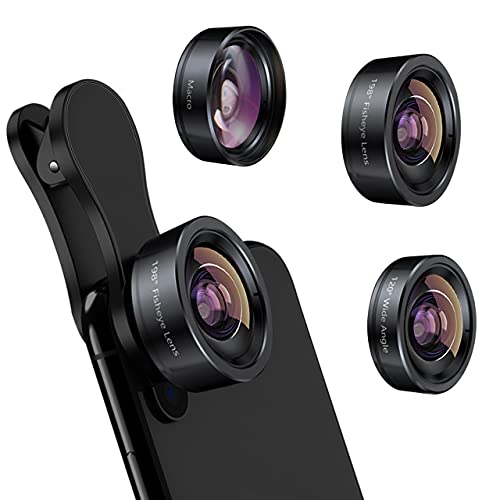 KEYWING KEYWING 3in1 Phone Camera Lens Kit Fisheye+Wide Angle+Macro Lens for…
View on Amazon ↗
Listing names and images come from Amazon and are rechecked against the live listings; last checked Nov 8, 2026. No prices shown; the current price is on the listing.
Scope and limits. This guide covers the phone camera lens kit category as a whole, drawing on general knowledge of mounts, optics, and typical use cases. No individual product documents, reviews, or in person tests were used, and any dimensions or compatibility claims should be checked on the listing before purchase.