Start with where you will wear them most. Overear cups give stronger isolation and all day comfort, while earbuds slip into a pocket for commutes and runs. Then check call quality if you take office or video calls, and battery life if you fly long haul. The main tradeoff is between maximum silence and portability.
Match the Design to Your Loudest Space
Overear closed back models are the strongest choice for a noisy office, a long flight, or a shared study space. The cups surround your ear and the padding itself blocks a meaningful share of mid and high frequency sound before the electronics do anything. Check the listing for memory foam or deep cup openings, which improve that passive seal.
In ear models with silicone or foam tips are the next step down in isolation but the clear winner for commutes, runs, and carrying in a jacket. Their noise cancelling depends heavily on tip fit. A loose tip lets low rumble through and also weakens the bass. Check whether the package includes multiple tip sizes and whether the app has a fit test.
On ear models sit between the two. They are lighter and cooler than overear cups, but they press on the outer ear and leak more sound in both directions. Choose them only if you find full size cups too warm or bulky and you do not need maximum silence.
Open style earbuds without a sealing tip are the weakest for noise cancelling. They are designed to let ambient sound in for safety, which is useful for runners on streets but wrong for flights or offices.
| Wear style | Isolation level | Portability | Comfort over hours | Best for |
|---|---|---|---|---|
| Overear closed back | Highest | Bulky, needs case | Best, if not too warm | Office, flights, study |
| On ear | Moderate | Folds smaller | Ear pressure builds up | Short sessions, light bags |
| In ear with tips | Moderate to high | Pocketable | Tip fit decides it | Commutes, runs, calls |
| Open earbuds | Low | Very small | No pressure, no seal | Outdoor awareness |
For most buyers the decision comes down to one question: do you need silence in a fixed place, or good enough quiet while moving? A student at a desk and a frequent flyer both lean overear. A runner or a person on a packed train leans in ear.
The Noise You Face Decides the Tech You Need
Noise cancelling works best on steady, low frequency sound: engine hum, air conditioning, train rumble. It is weaker on sudden, high frequency sound like a dog bark, a door slam, or a crying child. If your main problem is an open office with voices, look for models that describe feedforward and feedback microphones working together, which is often listed as hybrid noise cancelling.
The difference between a budget and a premium model is often not the presence of noise cancelling but the depth of it and how natural the silence feels. Strong cancelling can create a slight pressure sensation in the ears. Some listings mention adjustable levels or an ambient mode that pipes in outside sound, which helps on a plane when you need to hear an announcement.
Check the listing for a transparency or hear through mode if you wear headphones while walking or waiting for a gate. This mode uses the external microphones to pass voices and traffic through, so you do not have to remove the cups.
Calls and Meetings Separate the Useful From the Frustrating
Office calls and podcast recording expose a weak point in many noise cancelling headphones: the microphone. The noise cancelling that protects your ears does not automatically clean up your voice for the person on the other end. If you take calls from a busy room, look for a listing that names a beamforming microphone array or a dedicated voice pick up pattern.
For podcast recording, check the microphone specification and whether the model supports a wired connection for a cleaner signal. Wireless audio is compressed and can add latency or artifacts. A wired mode bypasses that. Also check whether the headphones can be used while charging, for long recording sessions.
The difference between a passable call headset and a good one shows up in a noisy cafe or a windy street. Look for a mention of wind noise reduction or multiple microphones per earcup. A single microphone will pick up everything around you, including your keyboard.
Battery and Codec Checks Before You Buy
Battery life is listed with noise cancelling on, and that is the number to read. A model that claims 30 hours with cancelling off may drop to 20 or less with it on. For long flights, look for at least 20 to 25 hours with cancelling active, and check if a quick charge gives you several hours from a short plug in.
The codec matters for latency and sound quality. AAC and SBC are common, while aptX and LDAC appear on models aimed at Android phones or higher quality streaming. For video calls and gaming, check for a low latency mode. For podcast recording, a wired connection removes codec questions entirely.
Check the charging port and the included cable. USB-C is now standard on most new models, but some budget options still use Micro-USB. If you travel, one cable for your phone, laptop, and headphones is a small but real convenience.
Fit Is What Makes Cancelling Feel Real
The best noise cancelling numbers on a box mean nothing if the headphones do not seal against your head. For overear models, the clamping force and the depth of the ear cups decide how much outside sound leaks in. Glasses wearers should look for softer padding around the temple area, since a hard pad can break the seal.
For in ear models, the tip material changes both comfort and isolation. Foam tips expand in your ear and block more sound but wear out faster and need replacing. Silicone tips last longer and are easier to clean, but they do not conform as well. Check whether the listing includes multiple sizes.
Weight matters for long sessions. Overear models often run from 250 to 350 grams. The padding distributes that weight, but a heavy pair with strong clamping can become uncomfortable after two or three hours. Compare the weight and the padding description side by side.
Who Should Skip Noise Cancelling Headphones
Runners who need to hear traffic and other people are often better served by open style earbuds or a bone conduction headset. A bone conduction headset for running and calls keeps your ears open, which is safer on streets and trails. Closed noise cancelling earbuds can block too much of the environment.
People who only need quiet for a short train ride or a coffee shop session may be fine with well sealed passive earphones and a lower price. The noise cancelling electronics add cost, weight, and battery drain. If your environment is mostly quiet and you just want to focus, a good seal may be enough.
Anyone who is sensitive to the slight pressure feeling that active cancelling creates should try a model in person first. Some people find the sensation uncomfortable or even headache inducing. An ambient mode or a lower cancelling level can help, but not every model offers that adjustment.
Care and Long Term Costs Hidden in the Listing
Ear pads and earbud tips are consumables. Overear pads flatten and peel after a year or two of daily use, and replacement pads may cost as much as a budget pair of earbuds. Check whether the pads are replaceable and whether the model uses a common shape you can buy from third parties.
For in ear models, foam tips need replacement every few months depending on use. Silicone tips last longer but can stretch. Factor that into the long term cost. A model with nonreplaceable tips or a glued in battery becomes disposable when the battery degrades.
Sweat and dust shorten the life of any headphone. If you run or exercise in them, check the water resistance rating. An IPX4 rating means it can handle splashes and sweat, while IPX7 means it can survive brief immersion. For office and flight use, water resistance matters less.
Reading the Listing Without Falling for the Hype
Ignore the marketing phrase 'industry leading noise cancelling' and look for the actual specification. What frequency range does the cancelling cover? Does the listing mention the depth in decibels? Most do not, so compare the description of the microphone setup and the presence of adjustable levels instead.
A listing that says 'active noise cancelling' without saying whether it is hybrid, feedforward, or feedback is hiding something. Hybrid is the strongest, using microphones both outside and inside the cup. Feedforward only listens outside, which can miss low rumble. Feedback only listens inside, which can struggle with higher frequencies.
Ask the seller about the battery replacement policy and the warranty period for the battery. Lithium ion batteries lose capacity over time, and a sealed battery turns a premium headphone into a paperweight after a few years. If the seller cannot answer, consider that a warning.
Check the return policy for fit. Headphone comfort is personal, and a model that feels great in a review may press on your glasses or feel tight after an hour. A seller with a clear return window gives you a way to test the fit at home.
Noise Cancelling Headphone Questions, Answered Plainly
Is noise cancelling worth it for office calls?
For calls, the microphone quality matters more than the noise cancelling in your ears. A model with a beamforming mic array will make your voice clearer to the other person than a model with strong cancelling but a weak mic. If you take calls in a busy room, look for both features together.
Which noise cancelling headphones are best for long flights?
Overear closed back models with at least 20 to 25 hours of battery life with cancelling on. Deep ear cups and soft padding help over a 10 hour flight. Check that the model supports a wired connection for the plane's entertainment system, since many airlines still use a 3.5 mm jack.
What is the difference between passive and active noise cancelling?
Passive isolation is just the physical seal of the ear cups or tips blocking sound. Active noise cancelling uses microphones and electronics to generate an inverse sound wave that cancels low frequency rumble. Active works best on engine hum, while passive handles mid and high frequencies.
Can noise cancelling headphones cause headaches?
Some people feel a pressure or vacuum sensation from active noise cancelling, which can lead to headaches. It is more common with strong cancelling and long sessions. Look for a model with adjustable cancelling levels or an ambient mode, and try it in person before buying if you are sensitive.
How do I compare noise cancelling headphones without trying them?
Compare the microphone setup, the battery life with cancelling on, the codec support, and the weight. Hybrid cancelling with feedforward and feedback microphones usually beats single microphone designs. Read the fit description for pad depth and tip options. Those four checks tell you more than a decibel spec.
The Headphones to Buy for Your Loudest Daily Space
A commuter who spends two hours a day on a train and takes calls from a coffee shop should buy overear closed back headphones with hybrid noise cancelling, a beamforming mic array, and at least 25 hours of battery with cancelling on. Check the listing for replaceable ear pads and a wired mode for flights. For a runner who needs to hear traffic and only wants light noise reduction for podcasts, that same pick is wrong. Choose open earbuds with an ambient mode and an IPX4 rating instead.
Real noise cancelling headphones listings, so you can check the points in this guide against actual products. These are affiliate links: as an Amazon Associate we earn from qualifying purchases, at no extra cost to you.
 BOSE Bose QuietComfort Headphones - Wireless Bluetooth Headphones, Active Over Ear…
View on Amazon ↗
 SOUNDCORE soundcore by Anker Q20i Hybrid Active Noise Cancelling Headphones, Black…
View on Amazon ↗
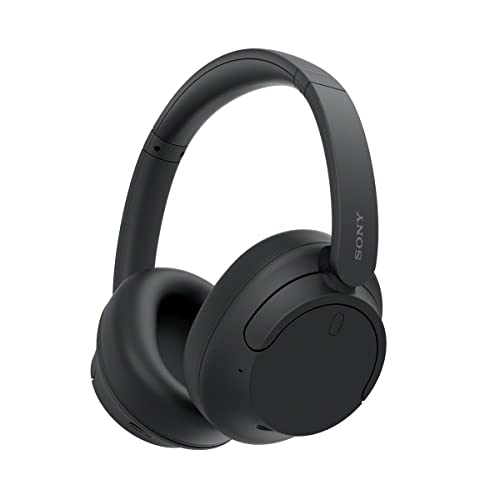 SONY Sony WH-CH720N Wireless Noise Cancelling Over-Ear Headphones, Black | Comfortable…
View on Amazon ↗
Listing names and images come from Amazon and are rechecked against the live listings; last checked Nov 8, 2026. No prices shown; the current price is on the listing.
About this guide. This guide is written from general knowledge of how noise cancelling headphones work, not from testing individual units or reading owner reviews. No specific models were handled or compared. Verify the battery life, weight, and ear pad dimensions on the product listing before you buy.