Start with the two or three tools you reach for weekly, then check jaw width and steel finish. Beginners and travelers do best with stubby, stainless kits under 6 inches. Coarse or thick nails reward longer handles and wider jaws. The tradeoff is portability against leverage and precision.
Start With the Two Tools You Actually Reach For
A full kit looks useful, but most people use the same two or three pieces every week. A clipper and a file handle the basics; a cuticle pusher and scissors add value only if you already use them.
Buying a 12 piece set to get one good clipper often means paying for duplicates. Check which tools you use now, then buy the smallest kit that covers those jobs.
Jaw Width Is the Reach Nobody Checks
The distance between a clipper's cutting edges decides how easily it grabs a thick or curved nail. Narrow jaws glide over coarse nails or leave jagged edges because they cannot bite cleanly through the full width.
Wider jaws, often 3 to 4 millimeters across the opening, let you take smaller, controlled cuts on tough nails. For ingrown edges or curved corners, a slightly angled jaw reaches where a straight jaw slips.
Compare the jaw opening in the product photos, not the overall tool length. A listing that shows the clipper closed tells you little about how wide it opens.
Steel Finish Predicts Rust and Dull Edges
Stainless steel is the baseline for a kit that lives near a sink or travels in a damp bag. Cheaper alloy or painted tools can rust within weeks and lose their edge faster, which makes them tear instead of cut.
Look for a listed grade such as stainless steel, not just a silver finish. A smooth, polished surface is easier to clean and less likely to trap bacteria than a textured or coated one.
Some kits add a matte or satin finish. That is cosmetic and does not change performance, but it can hide scratches better than a mirror polish.
Handle Length Is Leverage, Not Just Comfort
A clipper with a 2 inch handle works in a travel pouch but asks your thumb to do all the work. A 4 to 5 inch handle multiplies force, so coarse or thick nails cut with less squeezing.
Longer handles also keep your fingers farther from the cutting area, which helps if you have limited grip strength or arthritis. The tradeoff is bulk: a long handled kit does not disappear into a pocket.
For most home use, a handle around 3 to 4 inches balances control and leverage. Travel kits can go shorter because they are for touch ups, not major trimming.
What the Kit Should and Should Not Include
A useful kit covers four jobs: trim, shape, push back cuticles, and clean under nails. That means a clipper, a file, a cuticle pusher, and a small cleaner. Scissors, tweezers, and a buffer are extras that some people use weekly and others never touch.
Skip kits padded with a dozen tiny tools that duplicate each other. Multiple files in slightly different grits or three sizes of scissors add cost without adding function for most buyers.
A case matters more than the tool count. A hard case protects the edges from banging together, while a soft pouch adds almost no protection and lets tools rub dull.
Travel, Sensitive Skin, and Coarse Nails
Travelers need a kit that fits a dopp kit and passes a quick security check. Blunt tipped scissors under 4 inches and a clipper without a separate blade guard are the safest choices; check the listing's stated dimensions.
Sensitive skin around the nail bed reacts to rough edges and cheap metal. A polished stainless edge and a fine grit file reduce snags, while a cuticle pusher with a rounded, not pointed, tip is gentler on inflamed skin.
Coarse nails reward the widest jaw you can find and a coarse file for shaping. If your nails are thick enough that a standard clipper bounces, look for a kit marketed for thick or ingrown nails, which usually pairs a wider jaw with a longer handle.
Reading a Listing Before You Add to Cart
| Check | What to look for | Why it matters | Common listing gap |
|---|---|---|---|
| Jaw width | Photo of clipper open, or stated opening in millimeters | Wider jaws cut thick nails; narrow jaws slip | Most listings show only closed clippers |
| Steel grade | Stainless steel named, not just silver color | Prevents rust and keeps an edge longer | Vague terms like pro grade or salon quality |
| Handle length | Stated length or photo next to a hand | Longer handles give leverage for coarse nails | Overall tool length hides handle length |
| Tool list | Each piece named, not a pile photo | Reveals duplicates and missing essentials | 12 piece set with four files and no cleaner |
Ask the seller for the jaw opening in millimeters if the photos do not show it. A refusal or a vague answer usually means the jaws are narrow.
Check whether the case is hard or soft. A soft pouch lets the clipper and scissors knock together, which dulls both edges faster.
Who Should Skip a Kit and Buy One Tool
If you only ever use a clipper and already own a file you like, a kit adds clutter. A single high quality clipper with a wide jaw will outperform the clipper inside most budget kits.
Anyone who gets professional manicures regularly may not need a home kit at all. A single cuticle nipper or glass file covers the upkeep between visits.
Sensitive skin around the nails sometimes needs a dedicated tool, like a rounded pusher, more than a generic set. Buying that one tool alone is often cheaper and gentler.
Answers to the Manicure Kit Questions Buyers Actually Ask
Is a manicure tool kit worth it for beginners?
Yes, if you choose a small kit with a clipper, file, and cuticle pusher. Beginners do not need 12 pieces. A three or four piece stainless set covers weekly care without overwhelming you, and it costs less than buying the same quality tools separately.
Which manicure tool kit is best for thick or coarse nails?
Look for a kit built around a clipper with a wide jaw, ideally 3 to 4 millimeters across, and a handle at least 3 inches long. A coarse file also helps. Kits marketed for thick or ingrown nails usually pair those features, while standard kits may slip.
What makes a manicure tool kit safe for sensitive skin?
Polished stainless steel edges that are smooth, not serrated, and a rounded cuticle pusher are the key features. Avoid cheap alloy or painted finishes that can rust or flake. Fine grit files cause less friction than coarse ones on inflamed skin.
How do I choose a manicure kit for travel?
Pick a compact set with tools under 4 inches, blunt tipped scissors, and a hard case. Check the listed dimensions for the scissors specifically. A folding or stubby clipper with a short handle packs easily and still handles quick touch ups.
Should I buy a kit with more tools?
More tools usually means duplicates, not better care. Four core pieces cover most needs: clipper, file, cuticle pusher, and nail cleaner. Extra scissors or tweezers help only if you already use those tools weekly. Otherwise, a smaller set saves money and drawer space.
Which Manicure Kit Fits Your Hands and Habits
A home user who trims weekly and wants one reliable set should pick a stainless kit with a wide jaw clipper, a fine grit file, and a rounded cuticle pusher in a hard case. That covers the basics without duplicates. A frequent traveler who does quick touch ups on the go should instead pick a compact, stubby kit with blunt tipped scissors under 4 inches.
Real manicure tool kit listings, so you can check the points in this guide against actual products. These are affiliate links: as an Amazon Associate we earn from qualifying purchases, at no extra cost to you.
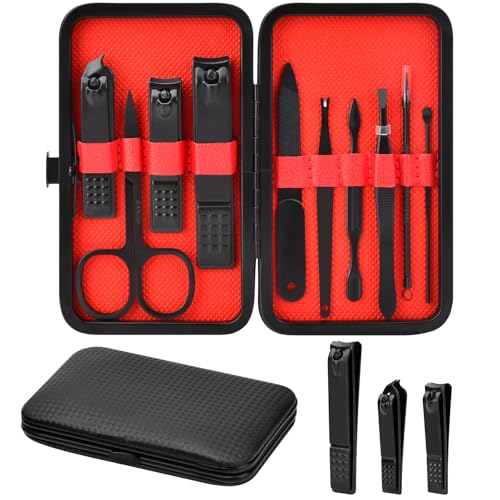 TERULLTASE Manicure Set Gifts for Men Stainless Steel Nail Clippers Set…
View on Amazon ↗
 MINKINH MINKINH Manicure Set Nail Clippers Set Pedicure Kit, 26-Piece Brown…
View on Amazon ↗
 KUANSTORE 6-Pack Ingrown Toenail File and Lifters, Professional Surgical Stainless Steel…
View on Amazon ↗
Listing names and images come from Amazon and are rechecked against the live listings; last checked Nov 8, 2026. No prices shown; the current price is on the listing.
How to read this guide. This guide covers manicure tool kits as a category, based on general knowledge of how the tools work. No individual listings, reviews, or tests were used, so verify any jaw width or tool length on the product page before buying.