Two factors decide it: how you wash and what you wash. Detergent sheets suit small loads, shared machines, and travel where liquid is awkward. Skip them if you run large, heavily soiled loads or want strong scent and stain lift on tough grease. The main tradeoff is low residue and easy storage against weaker heavy duty cleaning power.
Start With the Wash Conditions You Actually Use
Detergent sheets behave differently in cold water than in warm. A sheet that dissolves fully in a warm cycle can leave white specks on dark clothes in a cold quick wash. Check the package for a stated minimum temperature, and if you often wash in cold water, look for sheets labeled for cold water use.
Front load machines use less water, so a sheet has less liquid to dissolve in. High efficiency sheets are formulated for that, but even they can struggle in a short eco cycle. If your machine runs a 15 minute express cycle, tear the sheet into smaller pieces before adding it, or place it in the drum before clothes so water hits it directly.
Hard water reduces how well any detergent works. Sheets have less water softening capacity than many liquids, so in hard water areas you may need to use two sheets per load or add a separate softener. Compare the ingredients list for sodium citrate or similar chelating agents if you have hard water.
Sheet Count and Dosing Decide the Real Cost
A package with 60 sheets is not necessarily cheaper than one with 32. Check whether one sheet is one load. Some brands call a half sheet a load, which doubles the effective count. Compare cost per load, not per box, and ignore the marketing math on the front label.
Most sheets are premeasured for a standard medium load. For large loads, heavily soiled clothes, or hard water, the instructions often say to use two sheets. That changes the value calculation quickly. A budget pack that needs two sheets per load can cost more per wash than a mid range pack that works with one.
Sheets can stick together in humid bathrooms or laundry rooms. Keep the package sealed and store it in a dry spot. If sheets clump, peel them apart before adding to the machine. A clumped sheet will not dissolve evenly and can leave residue on clothes.
| Sheet type | Dissolves best in | Scent level | Suits |
|---|---|---|---|
| Unscented | Warm or hot water | None | Sensitive skin, baby clothes |
| Plant based | Warm water | Mild, natural | Lightly soiled loads, eco focus |
| Standard | Cold or warm water | Light to medium | Everyday mixed loads |
| Heavy duty | Warm or hot water | Medium to strong | Work clothes, sports gear |
Scent strength matters more with sheets than with liquid because there is no fabric softener step to mask residual odor. A lightly scented sheet may leave no noticeable smell after drying, while a strongly scented one can linger for days. If you use dryer sheets or scent boosters, choose an unscented detergent sheet to avoid a clash.
Small Loads, Shared Machines, and Travel Change the Math
Sheets shine in situations where liquid detergent is a hassle. A shared laundry room means carrying a heavy jug up stairs or down a hall. A sheet weighs almost nothing and cannot spill in a bag. For a small apartment with no laundry in unit, a pack of sheets in a drawer beats storing a bulky bottle.
Travelers can pack a few sheets in a zip bag and wash clothes in a sink or a hotel machine. One sheet is often too much for a sink load, so tear it in half. The sheet format also passes through airport security without the liquid limit issue, which matters for carry on only trips.
Pet homes and busy households often run frequent small loads of towels or pet bedding. Sheets make that routine faster because there is no measuring cap to clean. However, pet odors and stains may need more than one sheet, so buy a higher count pack if you wash pet items often.
Ingredients Tell You More Than the Front Label
Front labels use words like plant based, eco friendly, and natural. Those terms are not regulated for detergent. A plant based sheet can still contain synthetic preservatives or optical brighteners. Read the ingredient list, not the marketing copy, if you have skin sensitivities or want to avoid specific chemicals.
Enzymes are what lift protein stains like blood, grass, and food. Many budget sheets skip enzymes to keep costs down. If you wash kids' clothes or workout gear, look for protease, amylase, or lipase on the ingredient list. Sheets without enzymes will need a pretreatment spray for stains.
Optical brighteners make clothes look whiter by coating fibers with a fluorescent dye. They do not actually remove stains. If you prefer not to have them on your clothes, check the ingredients. Unscented and sensitive skin sheets are more likely to leave them out.
Check the Listing for These Details Before You Buy
The product listing should state the number of sheets, the number of loads, and whether one sheet equals one load. If it does not, ask the seller before buying. A vague count is the most common way buyers end up overpaying per load.
Look for the recommended water temperature and machine type. A sheet that works in a standard top loader may not dissolve in a high efficiency front loader. The listing should also state whether the sheet is safe for septic systems if you have one.
Dimensions are rarely listed, but they matter for storage. A 4 by 6 inch sheet fits in a slim drawer, while a larger sheet may need a bigger container. If storage space is tight, check the product photos against a known object or ask the seller for the sheet size.
Mistakes That Turn a Simple Switch Into a Bad Load
The most common mistake is adding the sheet on top of a full drum of clothes. The sheet can get trapped in a pocket or fold and never fully dissolve. Place the sheet in the empty drum first, then add clothes, or tuck it into the detergent dispenser if the machine allows.
Overloading the machine works against sheets more than liquids. A tightly packed drum has less water movement to dissolve and distribute the detergent. Leave room for clothes to move, or use two sheets if you must run a full, heavy load.
Expecting a sheet to match a liquid with stain fighters is a setup for disappointment. Sheets are formulated for convenience and low residue, not maximum stain removal. For heavily soiled work clothes, pretreat stains or use a dedicated stain remover alongside the sheet.
Where Sheets Fit Next to Powders and Liquids
Powder detergent is the strongest for ground in dirt and grease, but it can leave residue in cold water and is messy to measure. Liquid dissolves easily and handles stains well, but the plastic jug is heavy and takes up space. Sheets sit in between: cleaner to handle than powder, lighter than liquid, but weaker on heavy stains than either.
For a household that runs mostly light to medium loads in a standard machine, sheets can replace liquid entirely. For a household with a construction worker or a muddy dog, sheets are better as a backup or travel option. The right choice depends on the dirt level of your typical load, not on the marketing claims.
If you switch to sheets, give the machine a few loads to adjust. Residual liquid or powder in the dispenser can mix with the sheet and cause oversudsing. Run an empty hot cycle first if you see suds in the first sheet load.
For related cleaning choices in a small space, see other compact appliance guides.
Laundry Detergent Sheet Questions, Answered
Do laundry detergent sheets work in cold water?
Some do, but not all. A sheet needs enough water contact and time to dissolve. In cold water, look for a sheet labeled cold water compatible. If your machine has a quick cold cycle, tear the sheet in half or place it in the drum before clothes. A sheet that leaves white specks on dark clothes is not dissolving fully in your conditions.
Is laundry detergent sheet better than liquid?
Better depends on your priority. Sheets are lighter, take less storage space, and cannot spill. Liquid handles heavy stains and grease better and dissolves reliably in any water temperature. If you run mostly light loads and value easy storage, sheets win. If you wash heavily soiled clothes often, liquid is the stronger choice.
How many laundry detergent sheets per load?
Most brands say one sheet for a medium load, two for large or heavily soiled loads. Some brands count a half sheet as one load, so check the package. In hard water or a full front loader, you may need two sheets even for a medium load. Start with the package instructions and adjust based on whether clothes come out clean and residue free.
Can laundry detergent sheets be used in high efficiency washers?
Yes, most sheets are labeled safe for high efficiency machines. They produce less suds than liquid, which suits low water machines. Place the sheet in the drum before clothes or in the dispenser if the machine allows. Avoid overstuffing the drum, because a tightly packed load reduces water contact and can leave undissolved sheet pieces.
What is the shelf life of laundry detergent sheets?
Sheets last a long time if kept dry, often several years from manufacture. Moisture is the main enemy, because it can make sheets stick together or start dissolving in the package. Keep the pack sealed in a dry place. If sheets feel damp or clumped, they may not dissolve evenly in the wash.
Which Laundry Detergent Sheet Fits Your Wash Routine
A household that runs frequent light to medium loads in a standard machine should start with a standard sheet with a mild scent and a stated cold water rating. That covers most everyday laundry without residue. A household with hard water or heavy soil should instead pick a heavy duty sheet with enzymes, even if it costs more per load.
Real laundry detergent sheets listings, so you can check the points in this guide against actual products. These are affiliate links: as an Amazon Associate we earn from qualifying purchases, at no extra cost to you.
 FISROA Laundry Detergent Sheets 300 Loads Travel Washer Strips, Fresh Linen…
View on Amazon ↗
 ARM & HAMMER ARM & HAMMER Power Sheets Laundry Detergent, Fresh Breeze Scent,…
View on Amazon ↗
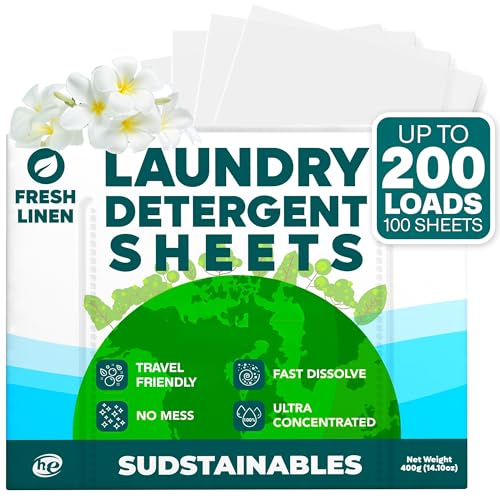 SUDSTAINABLES Sudstainables Laundry Detergent Sheets, Fresh Linen, 200 Loads | Powerful…
View on Amazon ↗
Listing names and images come from Amazon and are rechecked against the live listings; last checked Nov 8, 2026. No prices shown; the current price is on the listing.
About this guide. This guide covers laundry detergent sheets as a category, not individual models. It is written from general product knowledge without reading owner reviews or handling any units, so verify sheet count, dimensions, and temperature claims on the listing.