Start with the eyepiece and lens setup, not the magnification number on the box. Lower, clearer magnification beats blurry high power for most kids. Then check how the slide stage holds samples and whether the light is built in. A sturdy, simple scope suits young hands; a fragile high power model frustrates them.
Start With the Eyepiece, Not the Number
Magnification labels like 1200x sound impressive but rarely describe what a child actually sees. A clear 40x or 100x image of an onion skin teaches more than a dark, fuzzy 1000x blob. Look at the eyepiece lens diameter and the objective lens quality instead. Glass lenses pass more light than plastic ones, so the image stays visible in a not perfectly lit room.
Check whether the scope has one fixed eyepiece or interchangeable lenses. Interchangeable lenses add flexibility but also add small parts that get lost or scratched. For a first microscope, a single quality eyepiece with a modest range often works better than a kit full of weak attachments.
When comparing listings, look for terms like achromatic or wide field in the description. These indicate lens coatings that reduce color fringing and widen the viewing area. A kid who has to squint through a tiny dark circle loses interest fast.
The Slide Stage Decides Frustration
Young hands push, bump, and squeeze. A microscope with flimsy stage clips lets the slide slide off mid look. Spring loaded metal clips hold better than thin plastic tabs. Some models use a mechanical stage with knobs that move the slide left, right, forward, and back. That precision helps older kids, but the knobs themselves become a breakage point for younger ones.
Check how the slide sits. A recessed stage or a slide holder frame keeps a glass slide from shifting when the scope is bumped. For very young users, consider a model with a built in specimen tray or a low stage that is easy to reach without knocking the whole unit over.
If the microscope includes prepared slides, open the listing photo and look at the slide thickness. Very thin cover slips crack under pressure. Thicker plastic slides survive drops but show less detail. Neither is wrong; match the slide material to the child's age.
Lighting Changes Where It Gets Used
A microscope without a built in light needs a bright window or a desk lamp aimed at the mirror. That limits use to daytime and sunny spots. A built in LED light runs on batteries or USB and works on rainy days, in bedrooms, and during evening homeschool sessions. The tradeoff is battery replacement or a cord near small hands.
Some scopes use a bottom light only, which works for transparent specimens like onion skin or pond water. Others add a top light for opaque objects like leaves, coins, or fabric. For a general first microscope, both lights matter more than high magnification.
Check the power source before buying. Battery powered scopes are portable but dim as batteries fade. USB powered scopes stay bright but tie the child to an outlet or power bank. For classroom use, a corded or USB model avoids the cost of replacing batteries every week.
Design Types Trade Simplicity for Detail
Three main designs show up in kids microscopes. A fixed focus scope has almost no moving parts. The child places a sample on the stage and looks. It is nearly unbreakable but works only with objects of a certain thickness. A single lens scope adds a focus knob or a zoom ring. It handles more sample types while staying simple enough for a six year old.
A compound microscope with multiple objective lenses gives the sharpest, highest magnification views. It also has the most parts to break, clean, and align. A child who drops the scope or twists the nosepiece hard can knock the optics out of line. This type suits a careful older kid or a supervised classroom, not a toddler.
Zoom eyepiece microscopes sit between the two. They offer a range of magnification without changing objective lenses. The zoom mechanism itself is a common failure point because kids turn it past its stop. Check whether the listing mentions a stop or a limit on the zoom ring.
| Design type | Moving parts | Image detail | Breakage risk | Suits |
|---|---|---|---|---|
| Fixed focus | Almost none | Basic | Very low | Ages 4 to 6 |
| Single lens | One focus knob | Good | Low | Ages 6 to 9 |
| Zoom eyepiece | Zoom ring | Good to high | Medium | Ages 8 to 12 |
| Compound | Nosepiece and knobs | Highest | High | Ages 10 and up |
The table shows a clear tradeoff. More detail means more parts that can fail. For a first microscope, the single lens design often hits the sweet spot. For a kid who already loves biology, a compound scope rewards careful hands.
Homeschool and Classroom Needs Differ
Homeschool families often use a microscope for short, focused lessons at a kitchen table. Portability matters less than durability and a clear image. A single lens or zoom eyepiece scope with a built in LED light covers most nature study topics. Look for a model that stores its slides and tools in a case so parts do not end up in the couch.
Classroom use means many hands, frequent setup and teardown, and a teacher who cannot watch every child at once. A fixed focus or very simple single lens scope survives better. Avoid interchangeable lenses in a classroom unless an adult manages them. A corded or USB powered light avoids dead batteries mid lesson.
Both settings benefit from a low stage height. Kids push down hard when focusing. A stage that sits close to the table keeps the scope from tipping when a child leans on the eyepiece.
What a Listing Photo Tells You Before You Buy
Look at the photo of the scope from the side. If the eyepiece tube is thin and plastic, the lens inside is probably small. A wider tube often holds a larger lens and gives a brighter, wider view. Check the stage clips. Metal clips with a spring look sturdy; flat plastic tabs do not.
Look for a photo that shows the scope next to a child's hand or a common object. That reveals the actual size. Some scopes marketed for kids are tiny desk ornaments that force a hunched posture. A comfortable viewing height matters as much as magnification.
Read the listing text for the light source and power. If it says mirror only, plan for a desk lamp. If it says LED, check whether the light is bottom, top, or both. If the listing does not say, assume bottom only.
Ask the seller about lens material if the listing does not state it. Glass lenses scratch less than plastic. Ask whether replacement bulbs or batteries are standard sizes. Ask whether the slide clips are replaceable. A seller who answers those questions clearly usually sells a scope with real parts, not a toy shaped like one.
The Consumables Nobody Budgets For
A microscope is not a one time purchase. Prepared slides get broken. Blank slides and cover slips run out. Stain and mounting fluid spill. Batteries die. Replacement bulbs burn out. Budget for these before the scope arrives.
Prepared slide kits vary widely. Some contain interesting specimens like insect wings, plant stems, and textile fibers. Others are mostly blank plastic with a few dyed dots. Check the slide list in the photos. For a birthday gift, a kit with 20 to 50 varied prepared slides extends the excitement beyond the first afternoon.
Blank slides and cover slips are cheap but fragile. Buy extras with the scope. Glass cover slips are thinner and clearer than plastic, but they crack easily. Plastic cover slips work for rough handling but slightly blur the image. For a young child, plastic is the safer tradeoff.
Some scopes include experiment cards or a small guidebook. These are not just filler. A child who does not know what to look at will abandon the scope. A few guided activities, like looking at salt crystals or cheek cells, turn a toy into a tool.
When to Skip a Microscope Entirely
A microscope is the wrong gift for a child who wants instant results. Preparing a slide, focusing, and finding the specimen takes patience. A kid who expects a video game style reveal will be bored in ten minutes. A magnifying glass or a handheld digital scope gives faster gratification for very young or very impatient children.
Also skip a microscope if the child has no adult who will help with the first few sessions. A microscope is not a solo toy for a six year old. Someone needs to show how to place a cover slip, adjust the focus, and clean the lens. Without that, the scope ends up in a closet.
For a child who already owns a magnifying glass and asks deeper questions, a microscope is the right next step. For a child who has never shown interest in tiny things, start with a pocket magnifier. The related guides on educational puzzles for homeschoolers and art easels for creative kids cover other ways to build focused, in person learning.
Cleaning Habits Keep the Image Alive
A dirty lens is the most common reason a kids microscope stops working. Fingerprints on the eyepiece or objective lens scatter light and turn a sharp image into a fog. Teach the child to never touch the glass. Keep a lens brush or a soft microfiber cloth in the case.
Dust settles on the stage and the mirror or light. Wipe the stage after each use. If the scope has a mirror, clean it with a dry cloth only. Water or cleaner can seep behind the mirror and corrode the backing.
Slides need cleaning too. A used slide with dried stain or salt crystals will confuse the next observation. Rinse slides in warm water and let them air dry. Store them in a slide box, not loose in a drawer.
If the scope has interchangeable lenses, store them in their case with the caps on. A lens that rolls around in a toy bin collects scratches. A scratched objective lens cannot be fixed at home.
Kids Microscope Questions Worth Asking Before You Pay
Is a kids microscope worth it for a six year old?
Yes, if you choose a simple design and expect to help. A fixed focus or single lens scope with a built in light gives a six year old real views of leaves, salt, and fabric without frustrating knobs. The value comes from guided activities, not the magnification number. A child this age needs an adult to prepare slides and explain what to look for.
Which magnification is best for a kids microscope?
For most kids, 40x to 100x is the useful range. Higher magnifications like 400x or 1000x require very thin, well prepared specimens and a steady hand. A clear 100x image teaches more than a dark 1000x blur. Check the lens quality and lighting before trusting the magnification number on the box.
How do I compare two kids microscopes?
Compare the eyepiece and objective lens material first. Glass beats plastic. Then compare the stage clips: metal spring clips hold better than plastic tabs. Check the light source: built in LED beats a mirror for indoor use. Finally, compare the included slides and tools. A scope with a case and prepared slides gives more immediate value.
Can a kids microscope be used without slides?
Yes, some models have a top light that illuminates opaque objects like coins, leaves, and fabric. Place the object on the stage and look. This works well for young children who struggle with slide preparation. Check whether the scope has a top light before buying for this purpose.
What should I look for in a microscope for classroom use?
Choose a durable, simple design. A fixed focus or single lens scope with a corded or USB powered light survives many hands. Avoid interchangeable lenses that get lost. Metal stage clips and a low, stable base matter more than high magnification. Buy extra slides and cover slips because classroom sets break.
Which Kids Microscope Fits the Child in Front of You
A child who is five to eight and has never used a microscope does best with a single lens scope, a built in LED light, and metal stage clips. This combination gives clear images at modest magnification without fragile parts. For a ten year old who already asks about cells and bacteria, skip the simple scope and get a compound model with two or three objective lenses. That child will use the extra detail and can handle the care it demands.
Real kids microscope listings, so you can check the points in this guide against actual products. These are affiliate links: as an Amazon Associate we earn from qualifying purchases, at no extra cost to you.
 BLUE MARBLE National Geographic Microscope for Kids with Up to 400x Magnification…
View on Amazon ↗
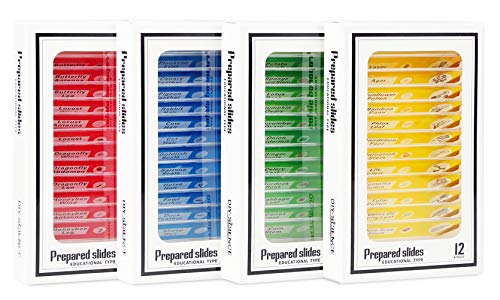 DIY SCIENCE 48 Prepared Microscope Slides Set of Animals Insects Plants Flowers,…
View on Amazon ↗
 UARZT Uarzt 58-Piece Kids Microscope Kit with Carrying Case, Beginner Science…
View on Amazon ↗
Listing names and images come from Amazon and are rechecked against the live listings; last checked Nov 8, 2026. No prices shown; the current price is on the listing.
How to read this guide. This guide is written from general knowledge of how kids microscopes work and what commonly breaks or frustrates young users. It does not describe any specific model, and no individual product documents or reviews were used. Always check the dimensions, lens material, and light source on the listing before buying.