Heat source, fabric feel and cord placement decide whether a heated eye mask relaxes or annoys. USB powered masks suit bedside use and travel, while microwave masks offer deeper heat without wires. Choose based on where you will use it and how much setup you tolerate.
Heat Source Sets the Ceiling on Warmth
A heated eye mask gets its warmth from one of four places: a USB plug, a battery, a microwave insert or a self heating packet. Each source changes how hot the mask can get and how long that warmth lasts.
USB powered masks plug into a wall adapter, power bank or laptop. They heat to a mild, steady temperature and stay warm as long as they are plugged in. This makes them predictable but tethered. A cord running from your face to a outlet can tug when you shift in bed.
Microwave masks hold beads, flaxseed or gel inside a fabric pouch. You heat the pouch for a short time, then place it over your eyes. The warmth starts strong and fades over 10 to 20 minutes. There is no cord, which suits side sleepers and travel, but you must get up to reheat the mask for a second round.
Battery operated masks sit between USB and microwave designs. They run on small cells tucked into the mask or a separate pack. Heat stays low to preserve battery life, and you trade the cord for occasional charging.
Self heating masks use an air activated packet or chemical insert. They reach a noticeable temperature quickly without any power source. The heat lasts one session and then the insert is discarded. This design suits occasional use, flights or a hotel night, but the recurring cost adds up for nightly routines.
Fabric Against Eyelids Matters More Than the Outer Print
The inner layer sits directly on closed eyelids, where skin is thin and sensitive. A soft, smooth fabric like silk, cotton or a plush microfiber feels different from a stiff polyester weave.
Silk and satin feel cool at first and warm slowly. They slide less against the skin, which helps if you move during the night. Cotton breathes well and washes easily but holds heat less evenly. Plush or fleece linings feel cozy immediately but can trap moisture and feel warm before the heat source even activates.
Check the listing for the inner material, not just the outer cover. A mask with a removable, washable inner layer is easier to keep clean. Oils from the skin and traces of eye cream build up over time, and a non washable mask will pick up odors.
Cord Placement Decides Whether You Sleep or Tug
On USB and many battery masks, the cord exits at the temple, the forehead or the side near the ear. The exit point changes how the mask sits when you lie on your back or turn to the side.
A cord that exits at the temple can press against the pillow when you lie on your side. A forehead exit keeps the cord away from the pillow but may pull the mask upward if the cord is short. A side exit near the ear often works for back sleepers but catches on the pillow for side sleepers.
Look for a cord that is at least 6 feet long if you plan to plug into a wall outlet. A shorter cord limits where you can lie. Some masks include a small inline controller on the cord, which adds weight and can pull the mask off center. Check where that controller sits in the listing photos.
Strap Fit and the Shape Over the Nose
A heated eye mask should block light and stay in place without pressing on the eyeballs. The strap does most of this work. A wide, adjustable strap spreads pressure across the back of the head. A thin elastic strap digs in after 20 minutes.
The nose area matters too. A mask with a molded or notched nose bridge blocks light from below without pinching the bridge. A flat mask lets light leak in and can slide down when you relax your face.
Some masks have a contoured or domed eye area so the fabric does not touch the eyelids. This helps if you wear lash extensions or if direct pressure bothers you. It also leaves a small air gap, which changes how the heat reaches the skin. A flat mask delivers heat more directly but can feel heavy on the eyes.
Timers, Temperature Settings and the Features That Actually Help
Many USB masks advertise multiple heat levels and a timer. A low, medium and high setting is useful if the high setting reaches a comfortable temperature. A timer that shuts off after 15 or 20 minutes prevents the mask from getting too warm if you fall asleep.
Marketing copy often mentions features like vibration, Bluetooth or aromatherapy pockets. Vibration can feel pleasant but adds noise and weight. Bluetooth adds a speaker and battery drain without improving heat. An aromatherapy pocket is a simple fabric flap that holds a dried lavender sachet or a few drops of oil. It is useful only if you want scent, and the pocket must be removable to wash the mask.
Focus on the heat source, inner fabric, cord exit and strap first. Extra features rarely fix a mask that is uncomfortable to wear.
Who Should Skip a Heated Eye Mask
A heated eye mask is not for everyone. If you have very sensitive skin, rosacea or a condition that makes heat uncomfortable, a cool gel mask or a plain sleep mask may work better. Heat can flare redness in some skin types.
If you need complete darkness and silence, a corded USB mask may be a poor fit. The cord rustles against sheets, and the power bank or adapter adds a faint hum. A microwave bead mask is quieter but cools down mid session.
People who travel often and cannot rely on a microwave or outlet should consider a self heating mask or a simple contoured sleep mask. A USB mask works on a plane only if you carry a power bank and tolerate the cord.
If your goal is to reduce puffiness, cold therapy often works better than heat. A refrigerated gel eye mask constricts blood vessels and feels soothing on swollen eyelids. Heat relaxes the muscles around the eyes and helps with dryness or tension, but it does not shrink puffiness the way cold does.
| Heat source | Warmth depth | Cord hassle | Best for | Main limitation |
|---|---|---|---|---|
| USB powered | Gentle, steady | High, corded | Bedside, desk breaks | Tethered, low max heat |
| Microwave bead | Strong, fades | None | Side sleepers, travel | Needs reheating |
| Battery operated | Low, steady | Low, no cord | Short naps, travel | Needs charging |
| Self heating | Strong, one session | None | Flights, occasional use | Disposable inserts |
Microwave and self heating designs suit travel and side sleeping because there is no cord. USB masks suit a nightly routine where you can plug in and leave the mask on for a set timer.
Reading a Listing Before You Buy
A listing photo shows the mask folded and styled, but the details that matter are in the description. Check the inner fabric material, the cord length and exit point, the strap width and whether the cover is removable.
If the listing does not state the inner material, ask the seller. A vague answer like 'soft fabric' usually means polyester. If the cord length is missing, assume it is short. If the mask has a timer, confirm whether it shuts off automatically or just changes color.
For microwave masks, check whether the insert is removable from the fabric cover. A one piece mask cannot be washed easily. For USB masks, check the connector type. Most use USB A or USB-C, and the listing should state which end plugs into the mask.
Look for the weight of the mask. A heavy mask presses on the nose and shifts when you turn. A mask under 150 grams is comfortable for most people, while anything over 250 grams feels noticeable after a few minutes.
Care and the Cost of Keeping It Clean
A heated eye mask touches the same skin every night. Oils, sweat and eye cream transfer to the inner layer. A removable, machine washable cover is the easiest to maintain. A mask with a sewn in cover needs spot cleaning with a damp cloth and mild soap.
Microwave bead inserts should never go in the washing machine. If the insert is sewn into the mask, you wipe the surface only. Some bead masks have a zippered cover that comes off for washing, which is worth looking for.
Self heating masks create ongoing cost. Each session uses a new insert, and a box of inserts lasts a limited number of uses. For nightly relaxation, a USB or microwave mask costs less over time.
Check whether the mask includes a storage pouch. A pouch keeps the inner fabric clean between uses and prevents the cord from tangling. It also makes the mask easier to pack for travel.
Heated Eye Mask Questions, Answered Plainly
Is a heated eye mask safe to sleep in?
A USB mask with an automatic shutoff timer is the safest to fall asleep in because the heat stops on its own. Microwave and self heating masks cool down naturally and do not stay hot long enough to cause a problem. Avoid any mask without a timer if you fall asleep quickly, and never use a mask that feels uncomfortably hot.
Which heated eye mask is best for dry eyes?
A mask that delivers steady, gentle warmth for 10 to 15 minutes helps loosen the oil in the eyelid glands, which can relieve dry eye discomfort. USB masks hold a consistent temperature, while microwave masks start warmer but cool down. Look for a mask with a low or medium setting and a timer so the heat does not become too intense.
What is the difference between a USB and a microwave heated eye mask?
A USB mask plugs into a power source and heats to a mild, steady temperature for as long as it is plugged in. A microwave mask holds beads or gel that you heat in a microwave, then place over your eyes. The microwave version has no cord and starts hotter, but the warmth fades after 10 to 20 minutes.
Can I use a heated eye mask with lash extensions?
Heat can soften the adhesive used for lash extensions, so a domed or contoured mask that keeps the fabric away from the lashes is a better choice. Avoid direct heat on the lash line and keep sessions short. If your lash artist advises against heat, follow that advice.
How do I clean a heated eye mask?
Remove the cover if it has a zipper or hook and loop closure, and wash it according to the label. For masks with a sewn in cover, wipe the inner surface with a damp cloth and mild soap, then air dry. Never machine wash a mask with a built in heating element or microwave bead insert.
The Heated Eye Mask That Fits a Bedside Routine
A nightly user who wants steady warmth without reheating should pick a USB powered mask with a washable inner cover, an adjustable strap and an automatic timer. That combination suits a bedside routine and keeps the heat predictable. A frequent traveler or side sleeper who hates cords should instead choose a microwave bead mask with a removable cover, accepting the shorter heat window for a cord free night.
Real heated eye mask listings, so you can check the points in this guide against actual products. These are affiliate links: as an Amazon Associate we earn from qualifying purchases, at no extra cost to you.
 TELEPEPE Heated Eye Mask, Cordless Warm Eye Compress for Dry Eyes…
View on Amazon ↗
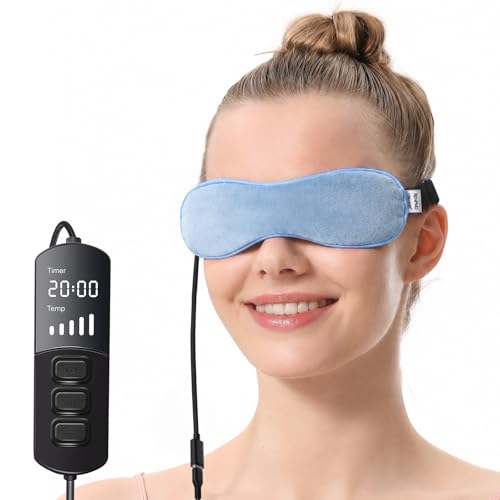 AROMA SEASON Aroma Season Heated Eye Mask for Dry Eyes, Warm Eye…
View on Amazon ↗
 EZONA Ezona Heated Eye Mask, Warm Eye Compress Mask for Dry…
View on Amazon ↗
Listing names and images come from Amazon and are rechecked against the live listings; last checked Nov 8, 2026. No prices shown; the current price is on the listing.
About this guide. This guide covers the heated eye mask category in general, based on how these designs work and what affects comfort. It does not draw on any individual product documents, reviews or in person testing, so confirm dimensions like cord length and mask weight on the listing before you buy.