Two things decide most Fire TV wall mounts: whether the design blocks the stick's ventilation and whether the HDMI cable stays unbent. Buyers in rentals or hotels want adhesive or no drill options, while permanent home theaters can use screws. The main tradeoff is a flush hidden look against heat buildup and remote signal loss.
Start With the Wall and the Room
A Fire TV wall mount only works where the stick can reach the TV and the remote signal can reach the stick. Check the distance between the HDMI port and the wall. A stick that sits directly behind the TV may lose line of sight for the remote.
Renters, hotel guests, and vacation rental owners should look at adhesive pads or clamp on brackets before drilling. A screw mount leaves holes that a landlord or a guest might notice. Adhesive holds best on smooth painted drywall, tile, or glass, not on textured or greasy surfaces.
For a permanent home theater, a screw mount gives more stability and lets you route the cable behind a wall plate. Wall mounted TVs often have limited space between the panel and the wall, so measure that gap first.
Mount Styles and the Tradeoff They Force
Enclosed cases hide the Fire TV stick completely, often shaped like a small box or sleeve. They give the cleanest look, but they trap heat. A Fire TV stick generates warmth during 4K playback, and without airflow the processor can throttle, causing buffering or restart loops.
Open brackets hold the stick with clips or a small tray. They leave the stick exposed to air and remote signals, so they run cooler and respond better. The downside is you can still see the stick and its cables from the side.
Vented shelves sit between these extremes. They cover part of the stick but have slots or holes for air. They are a good middle ground for a TV that is rarely moved and has a few inches of clearance.
| Mount style | Wall damage | Airflow | Remote signal | Suits |
|---|---|---|---|---|
| Enclosed case | None or screw | Poor | Weaker | Permanent clean look |
| Open bracket | None or screw | Good | Strong | Easy access and cooling |
| Vented shelf | Screw or adhesive | Fair | Moderate | Balance of hidden and cool |
| Clip or strap | Adhesive | Excellent | Strong | Rentals and temporary setups |
No single style wins for everyone. A home theater owner who never moves the TV may accept a warmer stick for a hidden look. A hotel guest who moves every week wants a clip that peels off without residue.
Reading a Listing Before You Drill
Look for the material and the weight limit. A plastic bracket rated for a Fire TV Stick Lite may flex under a heavier Fire TV Cube. The listing should state the maximum device weight and whether it fits stick, cube, or both.
Check the HDMI cable path. A mount that forces the cable to bend at a right angle can strain the port over months. A short extension cable or a right angle adapter may be needed, and the listing should say whether one is included.
Ask the seller about the adhesive type if no screws are used. 3M VHB tape holds well on smooth surfaces but may fail on wallpaper or brick. The listing should name the surface it is designed for and the cure time before you hang the stick.
Heat and Ventilation Are Not Marketing
A Fire TV stick has no fan. It relies on passive airflow around its plastic body. A mount that wraps the stick in silicone or plastic acts like a blanket. In a warm room or behind a TV that runs hot, that can push the stick into thermal shutdown.
Compare the specifications for an air gap. A good mount leaves at least a quarter inch around the stick or has vents on two sides. If the listing shows a closed box with no holes, expect warmer operation.
For a stick used only an hour a day, heat matters less than for a household that streams 4K for hours. Elderly users who watch one show a night can use almost any mount. A family that leaves the TV on all day should prioritize airflow.
The Remote Signal and Line of Sight
Fire TV remotes use Bluetooth, not infrared, so the signal passes through thin plastic and drywall. But a metal mount or a thick metal TV frame can block it. A stick mounted behind a metal backed TV may drop remote presses.
The safest position is with the stick visible from the seating area or at least not fully enclosed in metal. If the mount is hidden behind the TV, test the remote from the couch before committing the cable management.
A mount with a plastic front or an open side lets the Bluetooth signal out. A fully enclosed metal box looks sleek but may require you to point the remote at the TV for every press.
Cable Strain Is the Silent Failure
The HDMI port on a Fire TV stick is small and soldered to the board. A stiff HDMI cable pulled sideways by a tight mount can crack the port over time. The failure shows up as a flickering picture or no signal.
A good mount routes the cable in a gentle curve or includes a short flexible extension. Look for a listing that shows the cable path clearly, not just the stick in the mount.
For wall mounted TVs, the HDMI cable may need to run inside a cable channel or behind the drywall. A mount with a built in cable clip keeps the weight off the port, which matters more than the color of the bracket.
Who Should Skip a Wall Mount
If the TV sits on a stand with open space behind it, a wall mount adds no benefit. The stick can rest behind the TV on a small adhesive pad or simply hang from the HDMI port, though that strains the port over time.
Travelers who move between hotels every night may find a mount more trouble than it is worth. A short HDMI extension cable and a velcro strap do the same job without sticking anything to a hotel wall.
Homes with textured walls, wallpaper, or brick should avoid adhesive mounts. The tape will not hold reliably, and a screw mount may crack the surface. In those rooms, a clamp on bracket attached to the TV's VESA holes is a better alternative.
Long Term Costs and Care
There are no consumables in a Fire TV wall mount, but adhesive pads lose strength after a year or two. A mount that falls off the wall can pull the HDMI cable and damage the stick. Check the pad every few months in humid or hot rooms.
Dust collects behind a wall mounted TV and around a hidden stick. A quick wipe with a dry cloth every month keeps the vents clear. Avoid compressed air, which can push dust deeper into the stick.
If you move the TV or change the stick, the mount may not fit the new model. A Fire TV Stick 4K is slightly larger than the Lite. Before buying, confirm the mount fits your exact stick generation or has adjustable arms.
Fire TV Wall Mount Questions Buyers Actually Ask
Can a Fire TV wall mount block the remote signal?
Yes, if the mount is made of metal or fully encloses the stick in a metal box. Bluetooth passes through plastic and drywall, but metal reflects it. A mount with an open side or a plastic front keeps the remote responsive. Test the remote from your seating position after mounting, before you hide all the cables.
Will an adhesive mount hold a Fire TV stick without screws?
On smooth painted drywall, tile, or glass, a quality 3M adhesive pad holds a stick that weighs a few ounces. Textured walls, wallpaper, brick, and humid bathrooms are risky. Clean the surface with alcohol, press firmly for 30 seconds, and wait the cure time before attaching the stick.
Does a Fire TV stick need airflow behind the TV?
Yes. The stick has no fan and relies on passive cooling. A tight enclosure traps heat, which can cause buffering, stutter, or restarts during 4K playback. Leave a small air gap or choose a vented mount, especially if the TV runs warm or streams for hours.
What is the best Fire TV wall mount for a hotel room?
A clip or strap mount with adhesive tape works best because it leaves no holes and peels off cleanly. Look for one that holds the stick with a small air gap and routes the HDMI cable without a sharp bend. Avoid enclosed metal cases, which can block the remote and heat up in a small room.
How do I know if a mount fits my Fire TV model?
Check the listing for the supported models. A Fire TV Stick Lite and a Fire TV Stick 4K have slightly different widths and port positions. A Fire TV Cube is much heavier and needs a stronger bracket. If the listing only says 'Fire TV stick', ask the seller for the exact dimensions.
The Mount That Fits Most Fire TV Setups
A buyer who streams in a living room or bedroom and wants a clean look without drilling should start with an open bracket mount that leaves an air gap and routes the HDMI cable in a gentle curve. It runs cool, keeps the remote responsive, and costs in the budget to mid range tier. For a hotel guest or vacation rental owner who cannot leave holes, a clip or strap mount with a strong adhesive pad is the better pick, even though it hides less of the stick. That one decision, permanent versus temporary, determines everything else about the mount.
Real fire tv wall mount listings, so you can check the points in this guide against actual products. These are affiliate links: as an Amazon Associate we earn from qualifying purchases, at no extra cost to you.
 KIMALAB Remote Holder for Fire TV Stick Voice Remote, Black, 3D…
View on Amazon ↗
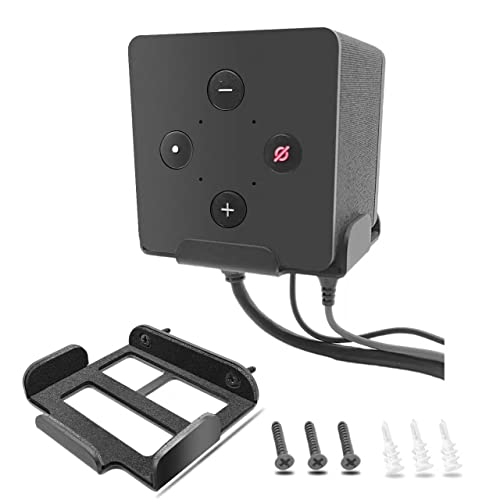 COUNLISHA Metal Wall Mount for Fire TV Cube - Secure Steel…
View on Amazon ↗
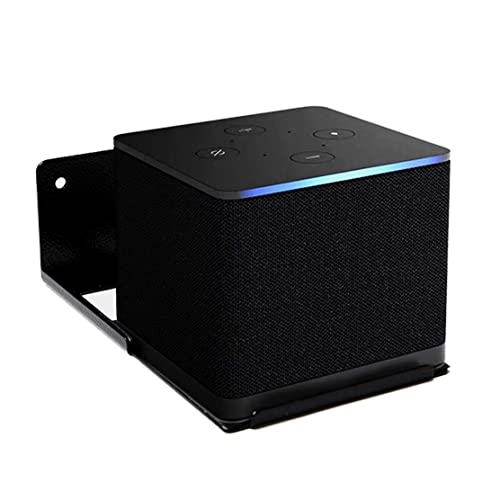 SHINAR shinar Metal Hanging Fire TV Cube Wall Mount | for…
View on Amazon ↗
Listing names and images come from Amazon and are rechecked against the live listings; last checked Nov 8, 2026. No prices shown; the current price is on the listing.
Scope and limits. Use this guide as a checklist to hold against any listing you open. It describes the category as a whole, not individual models, so confirm every dimension and fit detail on the product page before you buy.