A good digital box set is an album, not a zip file. The two factors that decide it are whether the material was mastered for the set and whether the track order holds together. Buyers who want one continuous listen should favor curated, chronological, or remastered sets. Buyers who only want rare B sides can accept looser collections. The main tradeoff is completeness against coherence: more tracks often means more filler.
What the Main Set Types Trade Away
Digital box sets split into a few familiar shapes, and each shape sacrifices something. A studio album set collects the original records in order, usually with original cover art and sometimes a fresh remaster. It feels like a shelf of albums, but it rarely includes nonalbum singles or B sides, so the picture stays incomplete.
A deluxe edition starts with one album and adds outtakes, demos, live cuts, or remixes after the final track. The original record stays intact at the front, which helps, but the bonus section can feel bolted on. If the bonus tracks are sequenced as a separate disc or clearly labeled section, the set works better than when they are interleaved with the album.
An anthology or career retrospective picks tracks across many years and often jumps between eras. It is the easiest way to hear an artist's range in one purchase, but the jumps can be jarring. Compilers sometimes smooth this with thematic grouping, such as acoustic tracks together or singles in chronological order, and that grouping matters more than the number of tracks.
A rarities vault collects demos, alternate takes, live recordings, and unreleased songs. It is the most tempting type for fans who already own the main albums, but it is also the most likely to contain rough mixes and false starts. Check whether the vault is presented as a historical document or as a listening experience. The same tracks can feel essential or tedious depending on how they are ordered and annotated.
The Curatorial Decisions That Make or Break a Set
Sequencing is the first thing to inspect before buying. A well ordered set moves from one mood or era to the next with intent, while a poorly ordered set scatters similar tracks so no section builds momentum. For sets that collect multiple albums, the original album order usually works because the artist or producer chose it deliberately.
Source quality is the second factor. Look for the audio format in the listing: lossless formats like FLAC or ALAC preserve more detail than compressed MP3 or AAC, and hi res files can go further. But a hi res badge does not fix a bad master. A remaster can improve clarity or crush dynamics, so compare notes on the mastering engineer or label when that information is available.
Rarity value is the third factor, and it is the easiest to overrate. Unreleased tracks matter only if they add something: a strong alternate take, a live version with a different arrangement, or a genuine lost song. Rough demos of songs you already have often pad the runtime without adding pleasure. Read the track list and ask whether each extra earns its place.
Liner notes and metadata also shape the experience. Digital sets with embedded lyrics, session dates, and personnel credits help you follow the story, while bare files leave you guessing. If the set includes a PDF booklet or detailed track tags, that is a sign the label treated it as a real reissue rather than a quick bundle.
| Set structure | Listening flow | Rarity depth | Best for |
|---|---|---|---|
| Studio album set | Strong, album by album | Low, few extras | First time deep dives |
| Deluxe edition | Strong then scattered | Medium, outtakes only | Fans of one record |
| Anthology | Variable, era jumps | Medium, hits and deep cuts | Newcomers and samplers |
| Rarities vault | Weak, archival feel | High, unreleased focus | Completist collectors |
How to Read the Listing Before You Pay
Start with the full track list, not the headline. Count how many tracks are new to you and how many are duplicates of songs you already own. A 60 track set with 40 familiar songs may not be worth the price even if the per track cost looks low.
Check the audio format and sample rate. If the listing says MP3 only, expect smaller files and lower fidelity on revealing speakers or headphones. If it offers FLAC or hi res options, confirm the files are actually lossless and not upsampled from a lower resolution source. Look for words like 'mastered from the original tapes' rather than 'digitally remastered' alone, which can mean many different things.
Look for information about the transfer and mastering. A set that names the engineer or studio usually reflects more care than one that does not mention any technical detail. If the label advertises that the artist or producer oversaw the set, that is a stronger signal than a generic anniversary logo.
Check whether the set includes a digital booklet or PDF. Many box sets reproduce the original liner notes, session photos, and essays. That material often explains why certain tracks were included and can turn a confusing vault disc into a coherent story. If the listing is silent on extras, the set may be bare files only.
Mistakes That Turn a Box Set Into a Dusty Folder
The most common mistake is buying for the track count. A 100 track set looks generous, but if half the tracks are alternate takes that differ by a few seconds, the value collapses. Judge the set by how many tracks you will actually queue up, not by the total.
Another mistake is ignoring the file format because you plan to stream from a phone. Compressed files may sound fine on earbuds, but a box set is a long term purchase. If you later upgrade to better headphones or a home system, the difference between an MP3 and a lossless file becomes audible, and you cannot easily upgrade a purchase you already made.
Some buyers assume every box set is a complete collection. Labels often leave out live recordings, remixes, or regional singles due to licensing. Check the track list against a discography if completeness matters to you. A set called 'Complete' may still be missing songs from soundtracks or guest appearances.
Skipping the sample previews is another error. Most digital stores let you hear 30 seconds of each track. Use that on the bonus material especially: a 30 second clip of a demo will tell you whether it is a charming sketch or a rough take that should have stayed in the vault.
Features That Matter and Claims That Do Not
Real features that change your experience are the audio format, the presence of a digital booklet, and the quality of the metadata tags. Lossless files let the mastering work show through, a booklet gives context, and clean tags keep a 100 track set from becoming a mess in your library.
Marketing claims to treat with skepticism include 'digitally remastered' without any named engineer, 'never before released' when the track is a 12 second studio count in, and 'limited edition' for a file that can be copied infinitely. A digital box set cannot be scarce in the way a vinyl box can, so any artificial scarcity is just a sales tactic.
The word 'complete' is another claim to verify. It usually means complete for the albums included, not the artist's entire career. If you want every B side and live cut, look for a set that explicitly lists those sessions. If the marketing only says 'all the hits', expect a curated selection, not an archive.
One underrated feature is gapless playback support. Many albums flow from one track into the next without silence, and a good digital set preserves that. If the files are poorly encoded or the player adds gaps, the listening experience breaks. Check whether the set is from a source known for gapless masters, especially for live albums and concept records.
Long Term Costs and the Case for Skipping a Box Set
Most digital box sets have no consumables, but storage can become a cost. A hi res lossless set can take up many gigabytes, and if you keep several, you may need a larger drive or a cloud backup plan. Factor that into the total cost if you buy multiple large sets.
The bigger long term cost is redundancy. If you already own the original albums, a box set that only adds a handful of new tracks may not justify its price. Count the genuinely new material and price it per track in your head. Sometimes buying the few missing songs individually is cheaper and cleaner.
Some buyers should skip a digital box set entirely. If you mostly stream music and rarely revisit albums end to end, a subscription may serve you better than a large one time purchase. A box set rewards attentive listening; if you play music in the background while working, you may never notice the sequencing and mastering that you paid for.
An alternative for fans who want context but not a huge file dump is a well annotated single album reissue or a smaller EP collection. These give you the remaster and the liner notes without the filler. If you find yourself skipping half the tracks on a big set, a smaller release would have been the better buy. See our related guide on why MP3 albums still hold up if you are weighing format choices.
Digital Box Set Questions Worth Asking Before You Buy
How many tracks should a good digital box set have?
There is no right number. A 20 track set of essential recordings can beat a 100 track set padded with alternate takes. Count the tracks you will actually play more than once, then compare that number to the price. More tracks only help if the quality stays high.
What is the difference between a deluxe edition and a box set?
A deluxe edition usually expands one album with a few bonus tracks, while a box set collects multiple albums, eras, or complete sessions. Deluxe editions work when you love one record; box sets work when you want the arc of a career or a full catalog in one purchase.
Can I trust 'remastered' in the listing?
Only partly. Remastering can mean a careful transfer from original tapes or a quick volume boost. Look for details like the mastering engineer's name, the studio, or the source format. If the listing is vague, assume the remaster is minor and judge the tracks by their samples.
Is a digital box set worth buying if I already stream everything?
It depends on how you listen. If you stream casually and rarely finish an album, a subscription covers most of the same songs. A digital box set makes sense when you want ownership, lossless files, or material that is not on streaming platforms, such as rare B sides and outtakes.
Which format is best for a digital box set, MP3 or FLAC?
FLAC is the safer choice for a long term purchase because it is lossless and future proof. MP3 files are smaller and fine for earbuds or car speakers, but they discard audio detail. If the set is offered in both, compare the price difference and your storage space before deciding.
Which Digital Box Set Deserves Your Library Space
A fan who listens to albums end to end on good headphones should start with a studio album set or a carefully sequenced anthology in a lossless format. That structure preserves the artist's intent and rewards repeat listens. A collector hunting unreleased material should instead pick a rarities vault, but only after checking the track list for real substance rather than studio chatter. For everyone else, the individual albums may be the smarter purchase.
Real digital box set listings, so you can check the points in this guide against actual products. These are affiliate links: as an Amazon Associate we earn from qualifying purchases, at no extra cost to you.
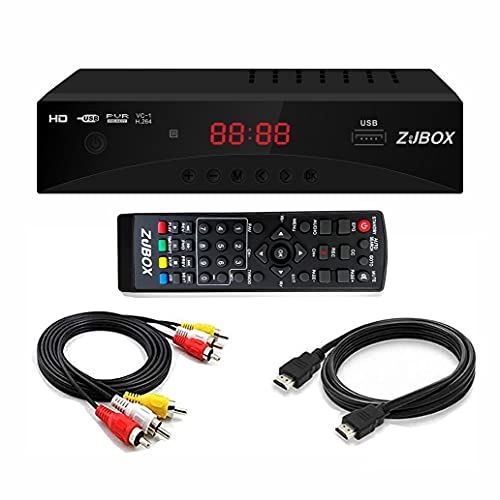 ZJBOX Digital TV Converter Box, ATSC Tv Tuner - ZJBOX for…
View on Amazon ↗
 PEARSON EDUCATION Scott Kelby's Digital Photography Boxed Set
View on Amazon ↗
 Digital Box Set [Explicit]
View on Amazon ↗
Listing names and images come from Amazon and are rechecked against the live listings; last checked Nov 8, 2026. No prices shown; the current price is on the listing.
How to read this guide. This guide explains how digital box sets differ by structure, sequencing, and source quality. It is written from general knowledge of the category, not from testing individual releases, so confirm the track list and file format on the store page before buying.