Pick a condenser microphone by its capsule size, self noise, and pickup pattern. Small diaphragm capsules capture fast transients and stay accurate on acoustic guitar. Large diaphragm capsules flatter vocals with a bigger, warmer image. A cardioid pattern rejects sound from behind the mic, which matters more than any accessory in an untreated room.
Capsule Size Sets the Tone Before You Sing
A condenser microphone works by charging a thin diaphragm that moves with sound. The diaphragm's diameter changes how the mic hears. A small diaphragm capsule, often around half an inch, moves quickly and captures sharp attacks without smearing. That makes it a natural fit for acoustic guitar, hi hats, or any source with fast transients.
A large diaphragm capsule, often around one inch, adds a subtle thickness and can soften the harshest edges of a voice. Many home vocalists prefer this because it makes a bedroom recording sound more finished without any processing. The tradeoff is that a large diaphragm can exaggerate low frequencies if you sing close to the mic, a habit called proximity effect.
Pickup Pattern Decides What Leaks Into the Take
The pickup pattern is the microphone's field of hearing. Cardioid is the default for home recording because it hears mostly what is in front of the capsule and rejects sound from behind. If your desk faces a window or a wall, a cardioid mic pointed at you will pick up less of that surface's reflections.
Supercardioid and hypercardioid patterns reject even more from the sides, but they add a small lobe of sensitivity directly behind the mic. That means a supercardioid can punish a bad room if the rear lobe points at a noisy corner. Omnidirectional mics hear everything equally and sound most natural, but they demand a treated room. Figure 8 mics hear front and back, reject sides, and suit two singers facing each other or a singer and an acoustic guitarist.
A switchable pattern is convenient, but each extra pattern adds cost. If you only record one voice at a desk, a fixed cardioid condenser is the safer buy than a multi pattern mic with features you will not use.
Self Noise Is the Floor You Cannot Fix Later
Every condenser microphone generates a faint hiss from its internal electronics. This self noise becomes audible when you record a quiet source or add compression. A mic with high self noise leaves a permanent haze under the vocal, and no plugin removes it cleanly.
Compare the self noise figure in the listing, usually given in dBA. Values below 15 dBA are quiet enough for most home vocals and acoustic guitar. Values from 15 to 20 dBA are acceptable for loud singers or dense mixes. Above 20 dBA, the hiss may show up on a quiet podcast intro or a fingerpicked passage.
Dynamic microphones have almost no self noise, which is one reason some podcast beginners start with a dynamic mic. A condenser microphone trades that silence for more detail and sensitivity. The self noise figure tells you whether the trade is worth it.
Sensitivity and Max SPL Set the Ceiling
Sensitivity tells you how much voltage the mic produces for a given sound pressure. A high sensitivity condenser needs less gain from your audio interface, which helps if your interface has weak preamps. A low sensitivity mic may force you to crank the gain and raise the noise floor.
Max SPL is the loudest sound the mic can take before it distorts. For vocals and acoustic guitar, most condensers handle the job easily. For a cranked guitar amp or a drum overhead, check that the max SPL is comfortably above the source's peak. A pad switch, which reduces the output by 10 or 20 dB, extends the headroom on loud sources.
How to Read a Condenser Microphone Listing
A listing that omits self noise or sensitivity is hiding the two numbers that matter most. Ask the seller for those figures, or skip the mic if they are not published. A frequency response graph is useful, but only if it is an actual measurement, not a smoothed marketing curve.
Check the connector. Most condenser mics use XLR and need an audio interface with phantom power. If the mic has a USB port, it includes a built in interface and works without extra gear. A USB condenser is simpler for a first setup, but it cannot be upgraded the way an XLR mic can.
Look for the included accessories: a shock mount, a pop filter, and a case. A shock mount isolates the mic from desk bumps and foot taps. A pop filter tames plosives on words with P and B. If the mic ships without these, budget for them separately.
| Pattern | Room rejection | Natural tone | Suits |
|---|---|---|---|
| Cardioid | Strong | Good | Solo vocals, untreated rooms |
| Supercardioid | Stronger | Slightly drier | Loud stages, tight spaces |
| Omnidirectional | None | Excellent | Treated rooms, ensembles |
| Figure 8 | Side only | Good | Two singers face to face |
A cardioid condenser is the safest first pattern for a bedroom producer or streamer. It forgives a room with bare walls and a desk fan. Wider patterns reward rooms that already sound good.
Phantom Power and the Interface You Already Own
Condenser microphones need phantom power, a 48 volt supply that travels over the XLR cable. Most audio interfaces and mixers provide it, but a few budget mixers or portable recorders do not. Before you buy, confirm that your interface has a phantom power switch, often labeled 48V.
If you do not own an interface, a USB condenser microphone bundles the preamp and converter into the mic body. That removes one purchase and one cable, but it locks you into that mic's sound. An XLR condenser with a separate interface costs more up front and lets you swap mics later.
A condenser microphone draws very little current, so any interface with phantom power can run it. The bigger concern is the interface's preamp quality. A noisy preamp will mask the low self noise you paid for in the mic.
Mistakes That Make a Good Condenser Sound Cheap
Placing the mic too close to a wall is the most common mistake. A cardioid condenser hears the direct sound from your mouth, but it also hears the reflection that bounces off the wall behind you. That reflection arrives a few milliseconds late and smears the tone. Pull the mic at least a foot from any wall and sing toward the room, not into a corner.
Using a condenser without a pop filter invites plosive thumps. A foam windscreen helps a little, but a proper pop filter held a few inches from the capsule does more. If you record close to the mic, a pop filter is not optional.
Forgetting that condenser mics are fragile is a slow killer. Dropping a condenser can stretch the diaphragm and change the sound permanently. Store it in its case or leave it on a stand with the shock mount.
Long Term Care and What It Costs
A condenser microphone has no consumable parts, but it rewards care. Keep a dust cover over the capsule when the mic is not in use. Dust on the diaphragm can add a faint crackle that worsens over time. Avoid storing the mic in a damp basement or a hot car, as humidity can corrode the capsule.
The shock mount's elastic bands stretch and wear out after a few years. Replacements are inexpensive and easy to find. The mic itself rarely needs service, but if the output drops or the tone changes, a professional cleaning of the capsule is possible.
A pop filter's mesh can be washed with mild soap and water. A metal mesh pop filter lasts longer than a nylon one and does not muffle the high frequencies as much.
When a Condenser Microphone Is the Wrong Tool
A condenser microphone is not the right choice for every home recording. If you record in a room with a refrigerator hum, a barking dog, or a busy street outside, a dynamic microphone will reject more of that background noise. A condenser hears it all, including the parts you hoped to hide.
If you record only loud sources, such as a cranked guitar amp or a snare drum, a dynamic mic handles the level without distortion and costs less. A condenser on a loud amp needs a pad and careful placement.
If you stream in the same room as other people, a condenser will pick up their conversations. A dynamic mic or a headset mic keeps your stream focused on you. For more on choosing an interface that pairs well with either type, see what separates a lasting audio interface from one that hums.
Condenser Microphone Questions Before You Buy
What is a condenser microphone used for?
A condenser microphone captures detailed, sensitive recordings of voices, acoustic instruments, and room ambience. It is the standard choice for studio vocals, acoustic guitar, podcasts in quiet rooms, and streaming. Its high sensitivity makes it less suited to very loud sources or noisy rooms, where a dynamic mic works better.
Is a condenser microphone good for podcast beginners?
It can be, if the room is quiet. A condenser mic gives a podcast voice more detail and air than a dynamic mic, which can make a beginner's setup sound more polished. But it also picks up keyboard clicks, chair squeaks, and room reflections. Beginners in untreated rooms may prefer a dynamic mic first.
How do I choose a condenser microphone for home vocals?
Start with a cardioid large diaphragm condenser with self noise below 18 dBA. Check that your audio interface supplies phantom power. Choose a model that includes a shock mount and pop filter, or budget for them. If your room is untreated, prioritize a tight cardioid pattern over extra features.
Which condenser microphone pattern is best for streaming?
Cardioid is the best pattern for most streamers. It picks up the voice in front of the mic and rejects sound from behind, which reduces keyboard and room noise. A supercardioid rejects even more from the sides but requires more careful aiming. Avoid omnidirectional mics for streaming unless your room is acoustically treated.
Is it worth buying a USB condenser microphone?
A USB condenser is worth it if you want a simple setup with no separate audio interface. It plugs straight into a computer and works immediately. The tradeoff is that you cannot upgrade the preamp or use the mic with a different interface later. For a first home recording setup, a USB condenser is a sensible entry point.
Which Condenser Microphone Fits Your Room and Voice
A home vocalist recording in an untreated bedroom should start with a cardioid large diaphragm condenser with self noise below 15 dBA and a shock mount included. That combination flatters the voice and hides the room. A podcaster or streamer in a noisy apartment should instead pick a cardioid dynamic microphone, which rejects background noise a condenser cannot.
Real condenser microphone listings, so you can check the points in this guide against actual products. These are affiliate links: as an Amazon Associate we earn from qualifying purchases, at no extra cost to you.
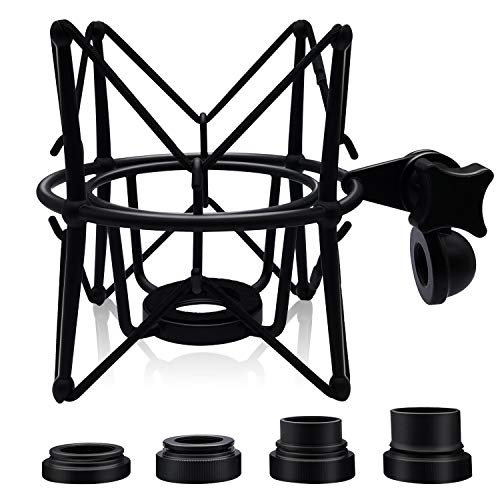 BOSEEN Boseen Microphone Shock Mount Mic Holder - Anti Vibration Spider…
View on Amazon ↗
 TONOR TONOR PC Microphone with Boom Arm, Kit for Podcast, USB…
View on Amazon ↗
 ONSTAGE OnStage On-Stage MY320 Shock-Mount Condenser Microphone Clip
View on Amazon ↗
Listing names and images come from Amazon and are rechecked against the live listings; last checked Nov 8, 2026. No prices shown; the current price is on the listing.
Scope and limits. This guide covers condenser microphones as a category and is written from general knowledge of how these microphones work. No individual product documents, reviews, or tests were used, so verify any dimension or figure on the listing before you buy.