Two questions settle most compact washer choices: can you reach a plumbing hookup, and can you vent the exhaust? A plumbed machine runs cycles unattended, while a bucket fed model trades convenience for portability and a lower price. Drain height and venting rules often matter more than drum size in small spaces.
The Water Hookup Decides Where It Lives
Compact washers split into three hookup styles. A fully plumbed unit connects to dedicated hot and cold supply lines and a standpipe drain, like a full size washer. A faucet adapter model screws onto a standard kitchen or bathroom tap and drains into the sink. A manual fill model takes water from a bucket or jug and sends waste water out through a hose you position yourself.
Each style changes your daily routine. A plumbed unit starts with a button press and runs while you do something else. A faucet adapter model needs the tap open during fill cycles, and you must keep the sink free for drainage. A manual fill washer asks you to measure water for each load and empty a drain bucket when the cycle ends.
Check the listing for the inlet hose type and the drain hose diameter. Standard US faucet threads differ from bathroom taps, so an adapter may be sold separately. Drain hoses that rely on gravity need a sink or floor drain lower than the machine's pump outlet.
Drain Height Limits More Than You Expect
Most compact washers pump water out rather than relying on gravity alone. A built in drain pump can push water up to a certain height, often listed as 'max drain height' in the product details. If the hose must rise from a floor machine to a utility sink, that number decides whether the setup works.
Measure the distance from the floor to the top of your sink, tub, or standpipe before ordering. A machine with a 39 inch max drain height cannot empty into a countertop sink 42 inches up. Some models include a longer hose, but pumping capacity stays fixed.
A drain hose that sags below the water line can siphon dirty water back into the drum. Clip the hose so it rises smoothly from the machine, then drops into the drain. This detail is easy to miss in a cramped laundry corner.
Venting Needs Air and a Window
Vented compact dryers, and washer dryer combos with a drying function, push moist air out through a duct or a window kit. A condenser or heat pump dryer collects water in a tray instead, so it needs no outside vent. That difference changes where the machine can sit.
A vented unit must be within a few feet of a window or an exterior wall. Flexible ducts lose efficiency when they bend too many times, and a long duct run reduces drying performance. A ventless design can sit in a closet or interior room, but it may raise indoor humidity slightly.
If the machine is a washer only, skip this check. If it dries, compare the vent type in the listing: 'vented' means ductwork, 'condenser' means a water tank you empty, and 'heat pump' means lower energy use but longer dry times.
| Hookup style | Water fill | Drain route | Venting | Best for |
|---|---|---|---|---|
| Fully plumbed | Automatic hot and cold | Standpipe or drain box | Vented or ventless | Permanent laundry spot |
| Faucet adapter | Sink tap, manual or auto | Sink or tub | Often ventless | Rental kitchen or bath |
| Manual fill | Bucket or jug | Hose to sink or floor | Washer only or ventless | RV, cabin, no plumbing |
| Washer dryer combo | Matches hookup style | Matches hookup style | Condenser or heat pump | One machine, no separate dryer |
Drum Size, Cycles, and What the Listing Hides
Compact drum sizes usually run from 0.9 to 2.5 cubic feet. A 1.5 cubic foot drum handles a few shirts and underwear, while 2.0 cubic feet can wash a set of sheets or two pairs of jeans. Check the weight capacity too, because a wet load weighs more than the dry clothes you put in.
Cycle lists often look impressive but matter less than the spin speed. A faster final spin removes more water, which shortens line drying or dryer time. Look for a spin speed of at least 800 rpm, and compare the noise rating if the machine will run at night.
Marketing terms like 'steam clean' or 'smart cycle' rarely change the result on a compact unit. Focus on water temperature options, a delay start timer, and whether the drum is stainless steel rather than plastic. Stainless resists odor and snagging better over time.
Renters, RV Owners, and Shared Housing
Studio apartments and small flats usually fit a faucet adapter or manual fill model. A plumbed unit needs landlord permission and a dedicated water line, which most leases do not allow. Check your lease before buying, not after the first cycle floods the kitchen.
RV living favors manual fill and low power draw. A machine that runs on 120 volts and under 10 amps works on standard campground hookups. Weight also matters: a 40 pound washer is easier to move than a 70 pound one, and it stresses the RV floor less.
Shared housing means scheduling. A delay start timer lets you run the machine when others sleep, and a quiet spin cycle matters more than a fast one. If the machine drains into a shared sink, label your hose and store it out of the way between loads.
Before You Add to Cart
Open the listing and look for the inlet hose length, drain hose length, and max drain height. If any of these are missing, ask the seller before ordering. A machine with a 5 foot inlet hose cannot reach a tap 8 feet away without an extension, and extensions are not always safe under pressure.
Check the electrical requirements. Most compact washers run on standard 120 volt outlets, but a few washer dryer combos need a dedicated circuit. The listing should state amps and voltage. If it does not, assume you need a dedicated outlet.
Look at the door or lid direction. A top load compact washer needs clearance above, while a front load model needs space in front. In a narrow bathroom, a top load lid that opens against a shelf becomes a daily annoyance.
Confirm the return policy for large appliances. A compact washer that does not fit your drain setup is expensive to ship back. Some sellers charge restocking fees, and freight returns are not free.
- Ask for max drain height and hose lengths if the listing omits them.
- Check amps and voltage against your outlet.
- Measure door or lid clearance in the exact spot it will sit.
- Confirm return shipping cost before you buy.
Mistakes That Send These Machines Back
The most common mistake is buying a plumbed model for a rental bathroom. Landlords rarely approve new water lines, and an unapproved hookup can void your deposit. A faucet adapter or manual fill model avoids the plumbing question entirely.
Another mistake is ignoring the drain height. A machine that cannot pump high enough to reach the sink becomes a bucket brigade every wash day. Check the max drain height against your sink or tub rim before ordering.
Overloading is a quiet killer. A compact drum packed tight does not clean well, and the extra weight strains the motor and suspension. Stick to the listed weight capacity, and split large loads instead of forcing them in.
Some buyers choose a washer dryer combo without checking the vent type, then discover a vented dryer needs a window they do not have. A condenser combo costs more up front but works in a closet with no outside air.
When to Skip a Compact Washer
If you have a laundry room with full size hookups, a compact washer is a downgrade. Full size machines handle larger loads, spin faster, and cost less per cubic foot. Buy a compact model only when space or plumbing forces the choice.
If you wash bulky items weekly, a 1.5 cubic foot drum will frustrate you. Comforters, sleeping bags, and heavy blankets need a full size machine or a laundromat. A compact washer suits daily light loads, not monthly bedding hauls.
If your building has a shared laundry room with reliable machines, the math may not work. A compact washer pays for itself only after hundreds of loads, and it consumes water, electricity, and floor space you could use for storage.
For people who travel constantly in an RV, a manual fill washer adds weight and water use. A wash bag and a laundromat stop may be lighter and simpler than carrying a machine across state lines.
Long Term Costs and Care
Compact washers cost less to run per cycle than full size machines, but consumables add up. Detergent designed for high efficiency machines prevents oversudsing, and a bottle lasts months because compact drums use less soap per load.
Hard water shortens the life of inlet valves and heating elements. A descaling tablet every few months keeps mineral buildup from clogging the pump. If your water is very hard, a small filter on the inlet hose helps.
Leave the door or lid open after each cycle. A closed drum traps moisture and grows mildew, which leaves a sour smell on clean clothes. Wipe the door gasket on front load models weekly.
Check the drain pump filter if your machine has one. Coins, hair, and lint collect there and slow drainage. A clogged filter can cause the machine to stop mid cycle or leak from the bottom.
Compact Washer Questions Worth Asking
Is a compact washing machine worth it for a studio apartment?
It depends on your laundry volume and tolerance for trips to a laundromat. If you wash two or three small loads a week, a faucet adapter or manual fill model pays for itself in convenience within a year. If you only wash once a week, a laundromat may cost less and take less floor space. Check your lease before buying, because some buildings prohibit any washing machine.
Which compact washing machine works without a plumbing hookup?
A manual fill model needs no water line. You pour water into the drum from a bucket or jug, and the machine drains through a hose into a sink, tub, or floor drain. A faucet adapter model also avoids dedicated plumbing, but it needs a standard sink tap with removable aerator threads. Fully plumbed machines require hot and cold supply lines and a standpipe.
What is the difference between a vented and ventless compact washer dryer combo?
A vented combo pushes moist air outside through a duct or window kit, so it must sit near an exterior wall. A ventless combo, usually condenser or heat pump, collects moisture in a tank you empty after each dry cycle. Ventless models can sit in a closet or interior room, but they dry more slowly and may raise indoor humidity slightly.
Can a compact washing machine drain into a sink?
Yes, most compact washers include a drain hose designed to hook over a sink or tub rim. The machine's pump must be strong enough to lift water to the sink's height, so check the max drain height in the listing. Secure the hose with a clamp or clip, because a loose hose can slip out and flood the floor.
How do I evaluate a compact washing machine listing before buying?
Compare the hookup style, max drain height, inlet and drain hose lengths, voltage and amps, and drum capacity in cubic feet. Ask the seller for any missing numbers. Check whether the door or lid opens in your available space. Confirm the return policy for large appliances, including restocking fees and freight costs.
The Right Compact Washer for Your Space
A renter in a studio with a standard kitchen tap should start with a faucet adapter model, around 1.5 to 2.0 cubic feet, with a drain pump rated for at least 40 inches of lift. That setup runs unattended and needs no landlord approval. An RV owner or cabin dweller with no plumbing should choose a manual fill washer under 50 pounds with a low amp draw, accepting the extra bucket work for true portability.
Real compact washing machine listings, so you can check the points in this guide against actual products. These are affiliate links: as an Amazon Associate we earn from qualifying purchases, at no extra cost to you.
 WINADO Winado 15.6LBS Full Automatic Portable Washing Machine with Drain Pump…
View on Amazon ↗
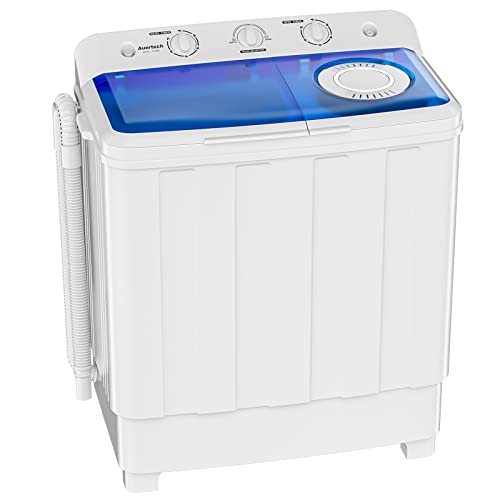 AUERTECH Auertech Portable Washing Machine, 28lbs Twin Tub Washer Mini Compact…
View on Amazon ↗
 INTERGREAT INTERGREAT Portable Washing Machine, 25lbs Compact Portable Washer and Dryer…
View on Amazon ↗
Listing names and images come from Amazon and are rechecked against the live listings; last checked Nov 8, 2026. No prices shown; the current price is on the listing.
How to read this guide. This guide covers compact washing machines as a category, not individual models, and is written from general knowledge of how these appliances work. No product documents, reviews, or in person testing were used, so verify hose lengths, drain height, and power requirements on the listing before you buy.