Plate width and heat range decide most of the result. Narrow plates suit fine or short hair, wide plates speed up thick or curly hair, and adjustable heat prevents damage. The main tradeoff is speed versus control. Buyers with very thick or tightly coiled hair should check if a titanium or tourmaline plate would serve them better.
Plate Width Sets the Pace
Plate width is the first spec to check because it changes how the tool behaves before heat is even applied. A plate around half an inch to one inch wide gives you more control near the roots and on short layers. A plate around one and a half to two inches wide covers more hair in one pass, which matters when you straighten long or thick hair often.
Width also changes the learning curve. Beginners and people with fine hair usually find a narrow or medium plate easier to manage around the ears and hairline. Wide plates can feel bulky in those spots, even if they save time on the lengths.
Check the listing for the actual plate width in inches or millimeters. Words like slim or wide mean little without a number. If the listing omits width, that is a sign the seller is not giving you the detail that matters most.
Heat Range Protects Fine Hair
Fine hair needs a lower floor than thick or curly hair. A ceramic straightener with a minimum setting around 250 to 300 degrees Fahrenheit gives you room to work without scorching fragile strands. Thick or coarse hair often needs 350 to 450 degrees to relax the curl in fewer passes.
Adjustable heat is more useful than a fixed high temperature. A model with only one heat setting forces every hair type to accept the same temperature, which is rarely safe for fine or damaged hair. Look for a dial or digital control with small increments, not just low, medium, and high.
Ceramic plates heat more evenly than bare metal, but even ceramic can spike if the thermostat is cheap. A model that advertises consistent heat recovery is worth comparing against one that only lists a maximum temperature.
| Plate width | Heat floor | Best for | Main drawback |
|---|---|---|---|
| Narrow, under 1 inch | Low, around 250 to 300 F | Fine hair, short hair, beginners | Slow on long or thick hair |
| Medium, 1 to 1.25 inches | Low to medium | Most hair types, layers | Compromise on both speed and precision |
| Wide, 1.5 inches or more | Often higher | Thick, long, or coarse hair | Clumsy near roots and short sections |
| Floating plates, any width | Varies | Even pressure, less snagging | May cost more for the same heat range |
Floating plates sit on springs or hinges so they press evenly as the section thickness changes. That reduces the chance of a single hot spot pulling or creasing the hair. The tradeoff is often price, since the mechanism adds cost without changing the heat output.
Ceramic Is a Blend, Not a Guarantee
Most plates sold as ceramic are actually a ceramic coating over an aluminum or other metal core. The coating is what touches your hair, so its quality determines glide. A smoother coating snags less and spreads heat more evenly than a rough or thinly applied one.
Some straighteners add tourmaline or titanium to the ceramic layer. Tourmaline is claimed to produce negative ions that reduce frizz, while titanium heats faster and holds temperature under repeated passes. Neither is automatically better; the plate width and heat control still matter more for real world results.
Marketing terms like nano ceramic or ionic ceramic describe the same basic idea. What you can actually compare is the plate surface texture, the temperature range, and whether the plates have beveled edges. Rounded or beveled edges let you curl or wave hair without crimp marks.
Which Hair Types Should Skip Ceramic
Very thick, tightly coiled, or coarse hair may find ceramic plates too slow. Ceramic takes longer to recover heat after each pass, so on dense hair the second side can pull at a lower temperature than the first. Titanium plates heat and recover faster, which suits stylists or people who straighten thick hair daily.
Extremely damaged or overprocessed hair should skip any high heat tool until the hair has recovered. A lower temperature ceramic straightener is gentler than titanium, but no hot plate repairs split ends. If your hair snaps when wet, the better purchase is a conditioning treatment, not a hotter iron.
Frequent travelers may prefer a smaller ceramic straightener with dual voltage, but not every compact model has true dual voltage. Check whether the voltage range is printed on the device or only mentioned in the listing. A straightener that only works on 110 to 120 volts will fail or overheat on many international outlets.
Listing Checks Before You Buy
Start with the three numbers: plate width, minimum temperature, and maximum temperature. If any of those is missing, ask the seller before buying. A listing that only says heats up fast or leaves hair silky is hiding the information you need.
Look for the plate material wording. Ceramic coated means a layer over another metal, which is fine if the coating is thick. Solid ceramic plates are rare and more fragile. Either can work, but the listing should say which you are getting.
Check the cord length and swivel. A cord under six feet limits you to outlets near a mirror. A swivel base prevents the cord from twisting and pulling the plates away from your hair mid pass.
Ask the seller two questions when the listing is thin. What is the actual measured plate width? Does the temperature stay within 20 degrees of the setting during a ten minute session? Sellers who answer with a copy paste of the marketing text are not giving you the technical detail that predicts performance.
Long Term Costs and Care
Ceramic coatings wear down over time, especially if you use the straightener on wet hair or with heavy styling products. Wipe the plates with a damp cloth after each use once they have cooled. Alcohol wipes can strip the coating, so plain water or a dedicated plate cleaner is safer.
Hair product buildup is the most common cause of snagging and uneven heat. A thin layer of spray or serum bakes onto the plates and creates drag. Cleaning every few uses keeps the surface smooth and extends the life of the coating.
You do not need a heat protectant to keep the tool alive, but it does reduce the damage to your hair. The straightener itself has no ongoing consumables. The only long term cost is replacement when the coating chips or the thermostat drifts, which is why a known brand with a warranty often costs less over time than a no name model that fails in months.
Ceramic Straightener Questions Worth Asking
Is ceramic hair straightener better for fine hair?
Ceramic plates are generally safer for fine hair than bare titanium because they heat more evenly and often have a lower minimum temperature. The key is choosing a model with adjustable heat and setting it low, around 250 to 300 degrees. A wide plate on fine hair adds more heat per pass than needed, so a narrow or medium plate is the better match.
Which ceramic hair straightener plate width is best?
Under one inch works well for short hair, bangs, and precise root work. One to one and a quarter inches suits most shoulder length hair. One and a half inches or wider saves time on long or thick hair but feels clumsy near the scalp. Match the width to the longest section you straighten most often, not to the tool you see in tutorials.
Should I buy a ceramic or titanium straightener for thick curly hair?
For very thick or tightly curled hair, titanium is usually the better choice because it transfers heat faster and recovers between passes more quickly. Ceramic can still work if it reaches at least 400 degrees and you use small sections, but it will take longer. If your curls are loose or your hair is fine, ceramic is gentler and easier to control.
Is it worth paying more for a ceramic hair straightener?
A higher price often buys a more durable ceramic coating, a better thermostat, and a longer cord with a swivel. Those features reduce snagging and hot spots, which matter more than extra heat settings. If you straighten only occasionally, a budget model with a true adjustable dial can be enough. If you use it weekly, the coating quality is worth the extra cost.
How to choose a ceramic hair straightener for travel?
Look for a compact plate, usually under one inch, and true dual voltage that covers 100 to 240 volts. A travel model should also have a heat resistant pouch or a lock to keep the plates closed in a bag. Skip any model that needs a separate voltage converter, since most converters are too weak for a heating tool.
The Ceramic Straightener Pick for Your Hair
Someone with fine or medium hair who straightens a few times a week should start with a narrow or medium ceramic plate and a low heat floor around 250 to 300 degrees. That combination gives control without cooking fragile strands. If your hair is thick, coarse, or tightly curled, skip ceramic and compare titanium plates that reach 400 degrees and recover heat between passes.
Real ceramic hair straightener listings, so you can check the points in this guide against actual products. These are affiliate links: as an Amazon Associate we earn from qualifying purchases, at no extra cost to you.
 REMINGTON Remington Shine Therapy 1 Inch Hair Straightener, Argan Oil &…
View on Amazon ↗
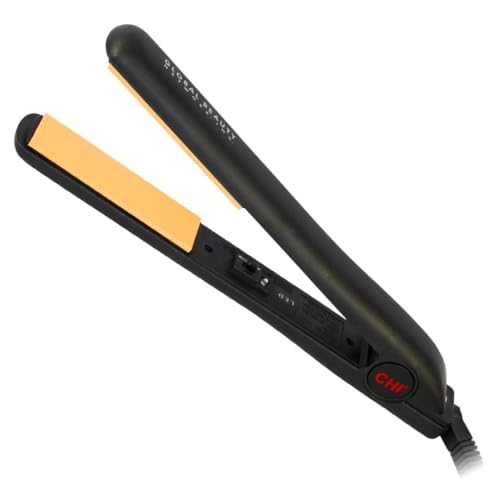 CHI CHI Original 1" Ceramic Hair Straightener Flat Iron for Styling…
View on Amazon ↗
 BABYLISSPRO BaBylissPRO The Ultra Sleek Flat Iron, Nano Titanium, Extended Plates,…
View on Amazon ↗
Listing names and images come from Amazon and are rechecked against the live listings; last checked Nov 8, 2026. No prices shown; the current price is on the listing.
About this guide. This guide draws from general knowledge of how ceramic straighteners work as a category. It cannot tell you how a specific listing performs, so verify plate width, temperature range, and voltage on the product page before you buy.