The gap filler that works depends on three things: the width of the gap, how the filler stays in place, and your seat shape. Measure the gap first, then match the mounting style to your seat type. A soft foam filler fits odd gaps but shifts more. A hard plastic tray stays put but can dig into the seat. Pick the one that matches your daily reach.
Measure Before You Look at a Single Listing
The gap between a seat and the center console is not a standard size. It changes with the seat position, the seat design, and the vehicle. A filler that fits a compact sedan may fall straight through in a full size SUV.
Use a ruler or a piece of cardboard to measure the gap at its widest point while sitting in your normal driving position. Also check the depth from the top of the seat cushion to the floor or console. A filler that is too shallow leaves a pocket underneath for coins to fall past.
Listings often give a width range, such as 0.5 to 1.2 inches. Compare that range to your measurement, not to the car model name. A range that covers your gap is a better sign than a photo of a similar car.
Mounting Style Decides How Often You Readjust
Most gap fillers hold themselves in place with friction, a clip, a strap, or a wedge shape. Friction fillers rely on being slightly wider than the gap. They work until the seat moves, then they can pop out.
Clip on fillers attach to the seat rail or the console edge. They stay put better but only fit certain seat rail designs. Check the listing photos for the clip shape and compare it to your seat rail before buying.
Strap anchored fillers wrap around the seat or the seat belt buckle. They work on almost any seat but add a strap that can catch crumbs or look untidy. A wedge shape with a lip is the simplest design and usually the first to slide out when the seat is adjusted.
Compare the mounting style to how often you move the seat. If two drivers share the car, a clip or strap design will survive the changes better than a friction wedge.
Seat Shape Changes What Actually Fits
| Seat style | Best mounting | Watch for | Suits |
|---|---|---|---|
| Flat bench seat | Friction wedge or strap | Too narrow a filler falls through | Older cars, trucks |
| Bolstered sport seat | Clip on or strap | Hard plastic digs into the bolster | Coupes, sporty sedans |
| Close center console | Thin leather look pad | Wide filler blocks the seat belt buckle | Compact cars, EVs |
| High console with storage | Clip on tray | Filler covers the console pocket | SUVs, minivans |
A sport seat with high side bolsters leaves a curved gap that a rigid plastic tray cannot follow. A soft foam wedge will fill the curve but may not stay aligned. A clip on design that attaches to the rail avoids the curve entirely.
If your console has a storage pocket or a USB port at the front, check that the filler does not cover it. Some fillers have a cutout or a shorter front lip for this reason.
The Materials That Make Sense for Daily Use
Three materials dominate this category: hard plastic, soft foam, and synthetic leather over foam. Hard plastic is easy to wipe clean and holds its shape. It also transmits vibration and can feel sharp against the leg on a long drive.
Soft foam is the most forgiving in odd gaps. It absorbs pressure and stays quiet. However, it collects dust and lint, and it can degrade faster if it sits in direct sun.
Synthetic leather or leatherette over a foam core looks the most like the car interior. It is easy to wipe down and feels softer than hard plastic. The tradeoff is that the outer layer can peel after a few years, especially in hot climates.
For families with kids, avoid open cell foam that soaks up spills. A sealed surface or a hard plastic tray makes more sense. For a leased car or a long commute, the leather look pad offers the best balance of comfort and durability.
What the Listing Photos and Specs Actually Tell You
Look for a photo that shows the filler installed in a car, not just a product shot on a white background. Check whether the photo shows the seat belt buckle area. Many fillers block easy access to the buckle, which is a safety problem.
The width range is the most important number on the page. A range like 0.4 to 1.1 inches tells you the filler only works in narrow gaps. A range like 0.8 to 1.6 inches suits larger SUVs. A filler that claims to fit all cars without a range is a warning sign.
Check the material description for the exact wording. “PU leather” is synthetic, not animal hide. “Memory foam” usually means a slow rebound foam that shapes to the gap but may not spring back fully. “ABS plastic” is rigid and durable but can rattle against the console.
Ask the seller for the installed height as well as the width. A filler that sticks up too high becomes an armrest obstacle. One that sits too low lets small items slip underneath.
Mistakes That Turn a Simple Fix Into a Return
The most common mistake is buying for the car model instead of the gap width. Two drivers with the same car can have different gaps because one sits closer to the wheel. Measure your own gap, not the one in a forum post.
Another mistake is choosing a filler that is too rigid for a seat with strong side bolsters. The filler stays in place, but it presses into the thigh and becomes uncomfortable after an hour. A softer filler or a clip on design avoids this.
Some buyers forget to check the seat belt buckle position. A wide filler can cover the buckle, making it hard to fasten the belt. A good listing shows the filler installed with the buckle accessible.
Do not buy a filler with a smooth bottom if your console is textured or curved. Smooth plastic slides on textured plastic. Look for a non slip pad or a rubber lip on the underside.
Finally, avoid fillers with small open pockets that are hard to clean. Coins, crumbs, and hair get trapped in them. A solid surface or a removable liner is easier to live with.
Who Gets More From a Different Approach
A gap filler is not the only way to stop losing items between the seats. A seat gap organizer that hangs from the seat front can hold a phone and keys without filling the gap. If you only need a place for a phone, a magnetic vent mount or a console tray may work better.
Drivers who move the seat constantly, such as rideshare drivers or car sharing families, will find a friction filler frustrating. A strap anchored filler or a clip on design is the minimum for that use. If the seat moves every trip, a hanging pouch may be the better choice.
If the gap is very wide, over 1.5 inches, most fillers will not stay put. In that case, a custom seat gap insert or a console side panel from the car maker is a more reliable fix. Check your car’s accessory catalog before buying a universal filler.
Some drivers just want to stop a phone from falling. A simple magnetic phone mount on the dash or vent costs less and does not touch the seat. A gap filler is only worth it when you need to catch keys, coins, cards, and other small items regularly.
Long Term Care and What Wears Out First
Gap fillers have no moving parts, so the main wear is from friction and sun. A foam filler compressed between the seat and console will slowly lose its spring. After a year or two, it may become loose and start sliding out.
Leatherette surfaces can crack in hot, dry climates. Parking in the shade and wiping the filler with a damp cloth every few weeks slows this down. Do not use strong solvents, which strip the outer coating.
Hard plastic trays can develop scratches from keys and coins. These are cosmetic and do not affect function. However, a cracked clip or a bent mounting tab means the filler will no longer stay in place.
Most fillers cannot be machine washed. A soft foam filler can be hand washed with mild soap and air dried. Check the care note in the listing before assuming it can be thrown in the washer.
There are no consumables for this product type. You will not need to buy refills or replacement parts. The only long term cost is replacing the filler itself every few years if the material degrades.
The Features That Matter Versus the Marketing
A built in coin holder sounds useful but often just makes the filler harder to clean. Coins rattle and the small slots collect dust. A flat tray or a single large pocket is more practical.
A phone slot with a charging cable cutout is useful only if the cutout lines up with your phone’s port. Check the cutout position in the photos before believing the marketing.
A non slip bottom is a real feature, not marketing. It keeps the filler from sliding on smooth console plastic. Look for a rubber or silicone pad on the underside.
A cup holder built into the filler rarely works well. The filler is not stable enough to hold a heavy drink, and a spill goes straight into the gap. Skip this feature unless the filler is clipped to the seat rail.
A light or LED strip is pure decoration. It adds a battery to replace and does nothing for function.
Car Seat Gap Filler Questions, Answered
How do I measure the gap for a car seat gap filler?
Sit in your normal driving position and measure the widest point between the seat cushion and the center console. Use a ruler or a strip of cardboard. Also measure the depth from the top of the cushion down to the floor or console bottom. Compare these numbers to the width and height ranges in the listing, not to the car model name.
Is a car seat gap filler worth it?
It is worth it if you regularly drop a phone, keys, or cards between the seat and console. The filler catches those items before they slide under the seat. If you only occasionally drop something, a simple reach or a magnetic phone mount may be enough. The filler adds value when the gap is wide and the drops happen often.
What is the best material for a seat gap filler?
No single material is best for everyone. Hard plastic stays put and cleans easily but can press into the leg. Soft foam fits odd gaps but slides more and collects lint. Synthetic leather over foam looks the most finished and is easy to wipe, but the outer layer can peel after a few years. Choose based on your seat shape and comfort needs.
Do seat gap fillers fit all cars?
No. The gap width and seat shape vary too much. A filler that claims to fit all cars without a width range is a warning sign. Measure your gap and compare it to the listed range. Also check whether the seat has high side bolsters or a close center console, which can block a rigid filler.
Which mounting style stays in place best?
Clip on and strap anchored designs stay in place best because they attach to the seat rail or the seat itself. A friction wedge or a simple foam filler relies on being squeezed by the gap, so it can slide out when the seat moves. If two drivers share the car or you adjust the seat often, choose a clip or strap design.
The Gap Filler Pick for Your Seat and Console
A driver who moves the seat rarely and wants a clean look should start with a synthetic leather look pad in a width that matches the measured gap. It balances comfort, stability, and easy cleaning. If the seat moves often or two people share the car, skip the friction fit and get a strap anchored filler or a clip on tray that attaches to the seat rail. That design stays put through seat changes and still catches keys and coins.
Real car seat gap filler listings, so you can check the points in this guide against actual products. These are affiliate links: as an Amazon Associate we earn from qualifying purchases, at no extra cost to you.
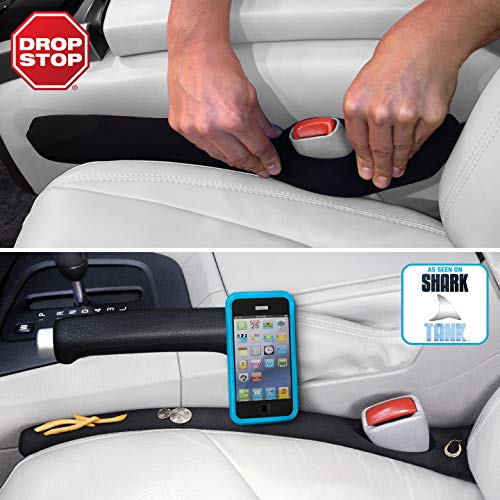 DROP STOP Drop Stop – 2 Original Car Seat Gap Fillers (Shark…
View on Amazon ↗
 HISEANLLO Hiseanllo Car Seat Gap Filler 2 Pack, Universal Fit PU…
View on Amazon ↗
 GIVIFIVE Givifive Car Seat Gap Filler Organizer 2Pack Soft Foam 3IN1…
View on Amazon ↗
Listing names and images come from Amazon and are rechecked against the live listings; last checked Nov 8, 2026. No prices shown; the current price is on the listing.
What this guide is. This guide draws on general knowledge of car interiors and how different gap filler designs work in practice. It does not evaluate specific models, so check the width range, installed photos, and material details on any listing before you buy.