Decide by the surfaces you touch most. Soft flagged synthetic tips are safest for paint and glossy interior trim. Stiffer boar or synthetic blends handle tires, wheel wells, and carpet. The main tradeoff is between gentle cleaning and scrubbing power, so a mixed set usually covers both without forcing one brush to do everything.
Bristle Stiffness Decides Paint Safety
Bristle stiffness is the first factor to check. A detail brush touches clear coat, piano black trim, leather, and plastic. Too stiff, and it can leave fine scratches on soft clear coat or swirl marks on dark paint. Too soft, and it will not lift caked brake dust from a wheel barrel.
Flagged synthetic tips are the safest general choice. The split ends catch dust and lift it away instead of pushing it across the surface. A soft flagged brush works on dashboards, vents, badges, and even light paint dusting.
Boar bristle is naturally stiff and works well on tires, wheel wells, and carpet. Horsehair sits in the middle, useful for door jambs, emblems, and leather grain. Stiffness varies by processing and blend, so check the listing for words like soft, medium, or stiff rather than assuming a material always behaves one way.
Natural bristles can be damaged by strong solvents or degreasers over time. Some wheel cleaners and all purpose cleaners break down natural fiber or loosen glue in the ferrule. If you plan to use strong chemicals, synthetic bristles are the safer choice.
Handle Length Changes Reach and Control
Short handles, often around 4 to 6 inches, give more control for tight spots like dashboards, vents, and door cards. Long handles, often 8 to 12 inches, keep your hands out of wheel cleaner and reach deeper into wheel barrels or under seats. Handle length varies by product, so compare the listed measurement to the jobs you do.
A short handle is easier to maneuver around buttons and seams without bumping adjacent trim. A long handle reduces the chance of touching wet chemicals or brake dust. Some sets mix both lengths, which covers interior and exterior work without a separate purchase.
Check the handle material too. Wood handles look classic but can swell if soaked. Plastic or rubberized handles rinse clean and resist water better. A textured grip helps when your hands are wet from wash soap.
How Many Brushes Does One Set Need?
Brush count is not about having more, it is about not using the wrong brush twice. A small set of three or four brushes covers most jobs: one soft flagged for paint and dash, one medium for jambs and emblems, one stiff for tires and carpet. Larger sets add specialty shapes like vent brushes, lug nut brushes, or two inch detail brushes.
More brushes mean less cross contamination. Using the same brush on wheels and paint can carry brake dust and grit back to the clear coat. A dedicated wheel brush and a dedicated interior brush prevent that.
Storage matters as much as count. Brushes should dry with bristles down or hanging so water does not soak into the ferrule. A set with a roll up pouch or hanging loops keeps brushes separated and dry between uses.
Matching Brushes to the Surfaces You Own
For a dark or black paint car, soft flagged synthetic tips are the safest choice for any paint contact. Stiff boar brushes can leave visible swirls on dark clear coat. Keep one soft brush exclusively for paint and never use it on wheels.
For interiors with glossy piano black trim or soft touch plastics, choose the softest flagged brush available. Medium brushes can dull the finish over repeated passes. A soft brush also lifts dust from vents without pushing it deeper.
For pet owners, a stiff synthetic or boar blend pulls embedded hair out of carpet and seat fabric. Use it on fabric only, not on plastic trim, because the same stiffness that grabs hair can scratch glossy surfaces.
For weekend detailing, a mixed set of soft, medium, and stiff brushes handles paint, interior, and wheels in one kit. For a new car, a soft flagged brush and a medium interior brush are enough to maintain the finish without aggressive scrubbing.
How to Read a Detailing Brush Listing
Look for the bristle material first. The listing should say boar, horsehair, synthetic, or a blend. If it only says soft or stiff without naming the material, ask the seller. Synthetic flagged tips are the most common safe choice for paint and interior.
Check the ferrule construction. A crimped or double wrapped ferrule is generally more durable than a glued one, but durability depends on the quality of construction, not just the ferrule type. Look for a ferrule that is tightly seated with no visible glue gaps.
Check the handle length and brush head size in the listing. A head that is too wide will not fit between seat rails or around badges. A handle that is too short will put your fingers in wheel cleaner.
If the set includes a storage pouch or hanging loops, confirm the brushes can dry with bristles down. Drying bristles up lets water run into the ferrule and can loosen the glue over time.
The Mistake That Ruins a Good Brush Set
A common mistake is using one brush for every surface. Brake dust and wheel cleaner residue stick to bristles. The next time that brush touches paint or a dashboard, it drags grit across the surface. Dedicate brushes by zone: wheels, exterior paint, interior trim, and fabric.
Another mistake is rinsing brushes with hot water. Heat can soften glue in the ferrule and cause bristles to shed. Use warm or cool water and a mild soap. Rinse until the water runs clear, then shake out excess water and hang the brush to dry.
Storing brushes in a closed bag while damp traps moisture against the ferrule and promotes rust or glue breakdown. Let brushes air dry completely before rolling them up. A mesh pouch or open rack is better than a sealed case.
Brush Care and Long Term Costs
Detailing brushes do not need frequent replacement if they are rinsed after each use and dried properly. Bristle shedding is usually a sign of a cheap ferrule or harsh chemical exposure. A well made brush can last through many washes, though lifespan varies by quality and frequency of use.
The main ongoing cost is brush cleaner or a mild soap. You do not need a dedicated brush cleaning product. A few drops of dish soap or car wash soap in warm water removes most dirt and wheel cleaner residue.
If a brush starts shedding bristles, stop using it on paint. Loose bristles can wedge into vents, carpet, or clear coat. Replace the brush or move it to wheel duty only.
Brush Set Designs Compared
| Bristle type | Paint safety | Scrubbing power | Best for | Chemical resistance |
|---|---|---|---|---|
| Soft flagged synthetic | Highest | Low | Paint, dash, glossy trim | High |
| Medium horsehair | High | Medium | Jambs, emblems, leather | Medium |
| Stiff boar blend | Low | High | Tires, wheel wells, carpet | Low |
| Stiff synthetic | Lowest | Highest | Floor mats, heavy grime | High |
A mixed set with one soft flagged, one medium, and one stiff brush covers the widest range of jobs without forcing a compromise. For paint focused detailers, two soft flagged brushes in different sizes are more useful than one stiff brush that never touches paint.
Car Detailing Brush Questions, Answered
Is a car detailing brush set worth it for a new car?
Yes, if you want to maintain the finish without introducing swirls. A new car has soft clear coat that shows fine scratches easily. A soft flagged brush for interior dust and a separate medium brush for jambs and badges keeps the car clean without aggressive scrubbing. Avoid stiff brushes on new paint.
What is the difference between boar and synthetic detailing brushes?
Boar bristles are naturally stiff and absorbent, which makes them good for scrubbing tires and carpet but harsh on soft clear coat. Synthetic bristles can be made in any stiffness, but flagged synthetic tips are the softest and safest for paint and glossy trim. Synthetic also resists strong chemicals better than natural hair.
How do I clean a car detailing brush after use?
Rinse the bristles under warm or cool water with a few drops of mild soap. Work the soap through with your fingers, then rinse until the water runs clear. Shake out excess water and hang the brush with bristles down to dry. Do not use hot water, which can loosen glue in the ferrule.
Can I use the same brush for wheels and interior?
No. Wheel brushes pick up brake dust, metal particles, and wheel cleaner residue. Those contaminants can scratch paint and interior trim. Use a dedicated stiff brush for wheels and a separate soft or medium brush for interior surfaces. Clean and dry each brush separately after use.
Which brush is safest for black paint?
A soft flagged synthetic brush is the safest choice for black paint. The split tips lift dust without dragging it across the clear coat. Use it only for paint and never for wheels. A medium horsehair brush is safe for emblems and jambs but may still leave fine marks on very soft clear coat.
Which Detailing Brush Set to Pick
Someone who washes a dark car weekly and cleans the interior monthly should start with a mixed set: one soft flagged synthetic for paint and dash, one medium horsehair for jambs and emblems, and one stiff boar or synthetic blend for tires and carpet. That covers the three main jobs without forcing a compromise. For a pet owner whose main battle is hair in the carpet and seat fabric, skip the paint brush and buy a stiffer synthetic set with a dedicated fabric brush, because soft flagged tips will not pull embedded fur from the weave.
Real car detailing brush set listings, so you can check the points in this guide against actual products. These are affiliate links: as an Amazon Associate we earn from qualifying purchases, at no extra cost to you.
 NIKCOSMK 36Pcs Car Detailing Kit, Car Detailing Brush Set, Car Cleaning…
View on Amazon ↗
 TTRCB 26Pcs Car Detailing Brush Set, Car Detailing Kit, Car Detailing…
View on Amazon ↗
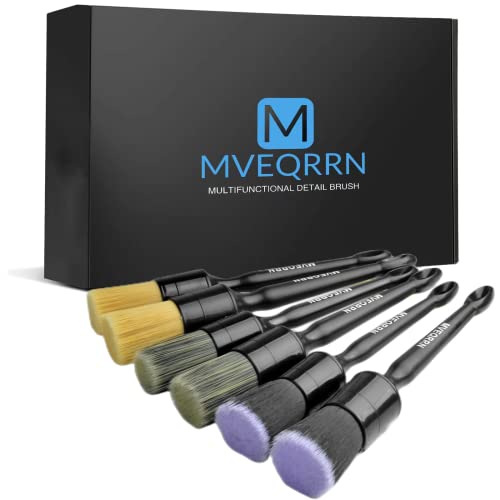 MVEQRRN MVEQRRN 6 Pcs Car Detailing Brush Set, Boars Hair &…
View on Amazon ↗
Listing names and images come from Amazon and are rechecked against the live listings; last checked Nov 8, 2026. No prices shown; the current price is on the listing.
Scope and limits. This guide covers the category of car detailing brush sets, not individual models, and is written from general knowledge of bristle materials, handle designs, and cleaning chemistry. No product documents, owner reviews, or physical units were used, so confirm bristle material and handle length on the listing before buying.