Beam pattern and battery access split camping headlamps into two groups. A wide, dim light works for cooking and reading in camp. A focused beam with a top strap lasts through long night hikes. Buyers who camp mostly at one site can save money with a simple model. Anyone walking off trail after dark needs a brighter, more stable light.
Where You Point It Decides the Beam
A headlamp with a wide, even beam lights up a table, a tent floor or a cooking area without a hot center spot. That pattern suits family camping, where several people work close together. A focused beam throws light farther down a trail. Solo backpackers and thru hikers often need that reach to spot a junction or a washed out section.
Some models offer both patterns through a separate flood LED or a diffuser lens. Compare the listing photos for lens shape. A flat, textured lens usually spreads light. A smooth, deep reflector usually concentrates it. If the listing only mentions lumens, that is marketing. Lumens describe total output, not where the light lands.
Battery Compartments Set the Real Limit
| Battery style | Runtime in cold | Resupply ease | Suits |
|---|---|---|---|
| AAA cells | Drops noticeably | Any store sells them | Weekend campers |
| Sealed rechargeable | Holds better | Needs a power bank | Thru hikers with a charging routine |
| Dual fuel | Holds with lithium cells | Swap or charge | Winter trips and long routes |
| Button cells | Very poor | Specialty packs only | Emergency backup lights |
Cold weather drains alkaline cells quickly. Lithium AAA cells hold voltage better below freezing, but not every headlamp accepts them. Check the battery door. A sealed unit with a rubber gasket keeps rain and snow out, but you cannot swap cells mid hike. A screw down or clip door opens fast but lets moisture in more easily.
For winter camping, a remote battery pack worn inside a jacket keeps cells warm. That design costs more and adds a cable. If you only camp in summer, a standard rear or front battery housing is fine.
The Strap Does More Work Than the Bulb
A single elastic band slips on bare skin and pulls hair. A top strap changes how the light behaves when you run, scramble or duck under branches. It keeps the housing from bouncing and lets you loosen the main band without losing aim.
Beginners often ignore strap width. A wide, soft band spreads pressure for hours of camp chores. A thin band leaves a red mark and makes you adjust the light constantly. If you wear a helmet, check that the strap fits over it or that the lamp has a clip mount.
Red Mode Is Not a Gimmick
A red LED preserves your night vision and bothers tent mates less than white light. That matters on family trips where one person reads while another sleeps. It also attracts fewer insects around a cooking area.
Some headlamps cycle through red as part of the main button. Others put red on a separate switch. The separate switch is easier to find in the dark. If you plan to read maps at night, a low white mode matters more than red.
Water Ratings Hide a Simple Truth
An IPX4 rating means the lamp shrugs off rain from any direction. IPX7 means it can sit briefly in shallow water. For camping, IPX4 is enough for most people. A higher rating often means a sealed battery you cannot swap.
That is the tradeoff. Weatherproofing and battery access pull in opposite directions. Decide whether you are more likely to drop the lamp in a stream or run out of power far from a charger.
Who Should Skip a Headlamp Entirely
A small lantern or a flashlight with a clip covers a weekend at a developed campground. If you never walk away from the fire ring after dark, a headlamp adds a strap and a button you do not need. A lantern lights a whole picnic table better than any headlamp.
For solo backpacking, a headlamp is hard to replace. You need both hands for trekking poles, water filters and tent setup. A handheld light forces you to hold it in your teeth or set it down. The headlamp earns its place on any trip where you move at night.
Compare other Sports & Outdoors gear guides before you commit.
The Listing Details That Actually Matter
Ignore the maximum lumen number. Look for the beam distance in meters and the runtime at a mid level setting. A lamp that runs 2 hours on high but 40 hours on medium tells you more than a 1,000 lumen claim.
Check whether the strap is replaceable. Elastic wears out. A lamp with a permanently attached strap becomes useless when the band loses stretch. Also check whether the lamp locks. A button that turns on inside a pack drains the battery before you reach camp.
Long Term Costs Hide in the Battery Door
AAA headlamps cost less up front but eat cells over years of weekend trips. Rechargeable models cost more initially and need a power source on longer trips. If you already carry a power bank for a phone, a sealed rechargeable lamp fits that routine.
Some rechargeable lamps use a proprietary cable. Losing that cable strands the light. A lamp that charges over USB-C uses the same cable as most phones and power banks. That one detail removes a lot of long term hassle.
Camping Headlamp Questions, Answered Straight
How many lumens do I need for camping?
For tent chores and cooking, 50 to 150 lumens is plenty. For hiking at night, 200 to 400 lumens with a focused beam helps you see trail markers. Ignore maximum output and check the runtime at a medium setting instead.
Is a rechargeable headlamp worth it for camping?
It depends on trip length. Weekend campers can recharge at home between trips. Thru hikers need a power bank or a dual fuel model with swappable cells. A rechargeable sealed unit saves money on batteries over time, but a dead cell cannot be replaced on the trail.
What is the difference between a camping headlamp and a running headlamp?
Running headlamps prioritize light weight and a rear red light for visibility. Camping headlamps prioritize runtime, a wide beam for chores and often a top strap for stability. A camping headlamp works for running in a pinch, but a running model feels less useful around camp.
Can I use a headlamp in winter camping?
Yes, but keep the battery warm. Alkaline cells lose capacity below freezing. Lithium AAA cells or a remote battery pack worn under a jacket solve that. A sealed housing also helps, though it may prevent battery swaps in the field.
Which headlamp is best for family camping?
A wide beam model with a red mode and easy one button operation works well. Parents need hands free for cooking and kids. A simple AAA powered lamp means you can buy cells anywhere if someone leaves it on all night.
The Headlamp That Fits Your Nights Outside
Weekend campers who cook, read and walk to the bathroom after dark do well with a wide beam AAA headlamp with a red mode. It is cheap to feed and easy to replace. Thru hikers and winter campers should instead pick a dual fuel model with a top strap and a focused beam. That covers long nights, cold cells and resupply gaps.
Real camping headlamp listings, so you can check the points in this guide against actual products. These are affiliate links: as an Amazon Associate we earn from qualifying purchases, at no extra cost to you.
 DANFORCE Headlamp. USB Rechargeable LED Head Lamp. Ultra Bright LUMINUS 1080…
View on Amazon ↗
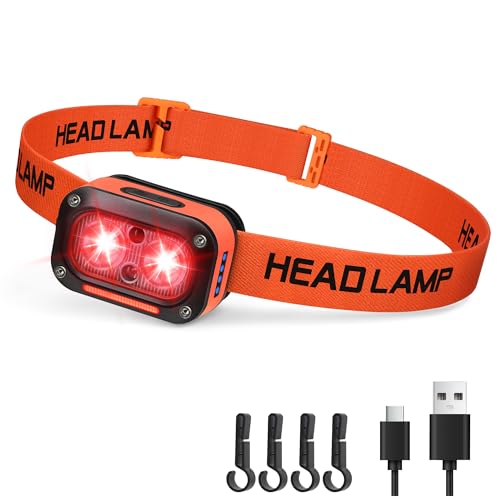 DARKBEAM DARKBEAM Red Light Headlamp LED Rechargeable Headlamps for Night Astronomy…
View on Amazon ↗
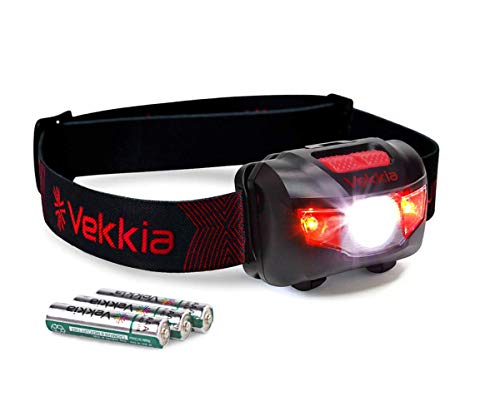 VEKKIA Vekkia Ultra Bright Headlamp LED Lights-5 Lighting Modes | White…
View on Amazon ↗
Listing names and images come from Amazon and are rechecked against the live listings; last checked Nov 8, 2026. No prices shown; the current price is on the listing.
What this guide is. This guide covers the camping headlamp category, not any single model. It draws on how these lights work in practice, without reading owner reviews or handling units. Check the beam distance, battery door and strap width on the listing before you buy.