Match the kit to your shooting environment and how often dust actually reaches your gear. Outdoor and travel shooters need a compact blower, brush, and sealed wet swabs for stuck spots. Studio shooters can use a larger blower and a sensor loupe for careful inspections. Skip kits with bundled fluid you cannot verify, and never use lens tissue on a sensor.
Start With the Sensor, Not the Glass
A speck on the sensor shows up as a dark spot in every frame, while lens dust rarely appears unless it sits on the rear element. Check your photos against a bright wall at a small aperture. If the same spot appears in every shot, the sensor is the first place to clean.
A sensor loupe or a bright desk lamp helps you see what kind of contamination you have. Loose dust lifts with a blower. Stuck pollen, oil, or dried moisture needs a wet swab and a sensor cleaning fluid matched to your sensor size.
The Three Kit Types and Where They Belong
A basic blower and brush kit handles the most common problem: loose dust that settles when you change lenses outdoors. A dry sensor brush adds a little more lift for dust that clings without needing liquid. A wet cleaning kit is the only type that removes stuck spots, but it uses consumable swabs and fluid.
For travel, a compact kit with a rocket blower, a retractable brush, and individually sealed swabs fits in a small pouch and survives a backpack. For a studio shelf, a larger blower with a one way valve and a sensor loupe makes repeated cleanings easier. Compare the case layout: a kit with loose bottles and loose swabs is harder to pack than one with molded slots.
| Kit type | Removes | Best for | Main caution |
|---|---|---|---|
| Blower and brush | Loose dust | Outdoor changeovers | Cannot remove stuck spots |
| Dry sensor brush | Light clinging dust | Frequent lens changes | Not for oil or moisture |
| Wet swab kit | Stuck spots, oil | Stubborn sensor spots | Uses fluid and swabs |
| Full studio kit | Everything above | Studio inspection shelf | More steps and cost |
Read the Swab Size Before You Buy
Sensor swabs come in widths that match common sensor formats. A swab that is too narrow leaves streaks at the edges, and one that is too wide can catch on the sensor housing. Check your camera body's sensor size in the manual, then match the swab width on the kit listing.
Some kits bundle several swab sizes, which is useful if you shoot with more than one body. If you only own one camera, a kit with a single correct width keeps the price down and avoids unused swabs.
Fluid Choices Separate Safe Kits From Risky Ones
A sensor cleaning fluid should evaporate cleanly and leave no residue. Kits that include a bottle of fluid should state the ingredients or the intended sensor type. If the listing does not say what is in the fluid, treat it as a risk.
Some fluids are designed for visible light sensors, and others for cameras converted to infrared. Using the wrong fluid can leave a film that is hard to remove. For most shooters, a standard sensor cleaning fluid in a sealed bottle is enough.
Brushes and Cloths for the Rest of the Camera
A soft goat hair or camel hair brush lifts dust from the lens barrel, the focus ring, and the viewfinder without scratching. A separate microfiber cloth for the lens glass should be washed regularly, since a dirty cloth can grind dust into the coating.
Skip kits that include lens tissue. Tissue sheds fibers and can scratch coated glass. A reusable microfiber cloth and a blower are the safer pair for lenses. Check that the cloth is stored in its own pouch so it does not pick up grit from the rest of the kit.
Packing for a Flight or a Trail
Air travel and hiking both punish loose gear. A blower should not leak air when squeezed in a bag, and a fluid bottle must have a tight cap. A leakproof case with a zipper or a clamshell design keeps the swabs dry and the cloth clean.
For a wedding or street shoot, a pocket sized blower and a few pre moistened swabs cover the day without a bulky case. For a studio shelf, a larger case with a loupe and a full set of swabs is easier to keep organized. A camera backpack that opens flat makes it easier to reach the kit mid shoot.
What to Skip and What to Ask the Seller
Skip kits that advertise a 'complete' cleaning system but include a bottle of unknown fluid, a rough brush, and a cloth that sheds. Those extras do not clean a sensor and can make a spot worse. A small kit with a good blower and the correct swabs beats a large kit of filler.
Before buying, ask the seller for the swab width and the fluid ingredients. If the listing does not list the swab sizes or the fluid type, move on. Camera support accessories from a category page often list the same kit under different names, so check the case contents photo carefully.
When a Kit Is Not the Fix
A camera cleaning kit cannot remove fungus inside a lens or fix a scratched front element. If you see haze behind the glass or a scratch that catches light, a repair service is the right next step. A kit also cannot fix a sensor that has been damaged by a previous cleaning attempt.
If you rarely change lenses and shoot in clean indoor spaces, you may only need a blower and a microfiber cloth rather than a full wet kit. For a camera that never leaves a sealed studio, a basic blower and a sensor loupe for occasional checks is a cheaper and safer setup.
Camera Cleaning Kit Questions, Answered Plainly
Is a camera cleaning kit worth it?
Yes, if you change lenses outdoors or notice dark spots in your photos. A basic blower and brush kit costs less than one professional sensor cleaning and handles most loose dust. A wet kit is worth adding only when you see stuck spots that a blower cannot move.
Which camera cleaning kit is safe for a sensor?
Choose a kit with a blower that has a one way valve so it does not suck dust back in, and swabs that match your sensor width. Use only sensor cleaning fluid, never lens cleaner or water. Check that the fluid evaporates without leaving a film.
What is the difference between a dry and wet sensor cleaning?
Dry cleaning uses a blower or a dry brush to lift loose dust without touching the sensor with liquid. Wet cleaning uses a swab moistened with sensor fluid to dissolve and remove stuck spots, oil, or pollen. Dry is safer for routine dust, wet is for stubborn marks.
How do I know what size sensor swab to buy?
Check your camera manual for the sensor format, such as full frame or APS C. Swab widths are listed in millimeters and must match that format. A swab that is too narrow can leave streaks, and one that is too wide can catch on the sensor edges.
Can I use a lens cleaning kit on my camera sensor?
No. Lens cloths and lens cleaning fluid can scratch a sensor or leave a residue. Sensors need a dedicated swab and sensor cleaning fluid. Using a lens tissue on a sensor can shed fibers and damage the glass cover.
Which Camera Cleaning Kit to Put in Your Bag
A shooter who changes lenses at trailheads, weddings, or city streets should start with a compact kit that includes a one way valve blower, a retractable brush, and a few sealed swabs in the correct sensor width. That covers loose dust and most stuck spots without a bulky case. A studio owner who rarely leaves the building can skip the wet swabs and buy a larger blower with a sensor loupe for occasional inspections. If you shoot infrared or have oily sensor spots that return often, a dedicated wet kit with a verified fluid is the safer pick.
Real camera cleaning kit listings, so you can check the points in this guide against actual products. These are affiliate links: as an Amazon Associate we earn from qualifying purchases, at no extra cost to you.
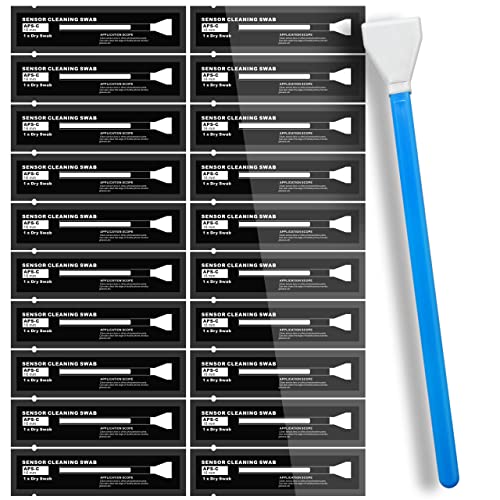 AAWIPES AAwipes Sensor Cleaning Swabs 16mm for APS-C Sensors DDR DSLR…
View on Amazon ↗
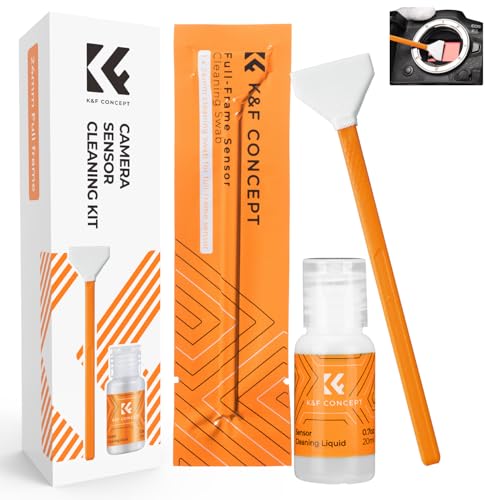 K&F CONCEPT K&F CONCEPT 24mm Full Frame Sensor Cleaning Kits, with 20ml…
View on Amazon ↗
 ALTURA PHOTO Altura Photo Camera Cleaning Kit, Full Frame Sensor Cleaner DSLR…
View on Amazon ↗
Listing names and images come from Amazon and are rechecked against the live listings; last checked Nov 8, 2026. No prices shown; the current price is on the listing.
What this guide is. Use this guide as a checklist to hold against any camera cleaning kit listing before you buy. It describes the product type from general category knowledge, not from individual product documents, tests, or reviews. Verify any swab width or fluid ingredient on the listing itself.